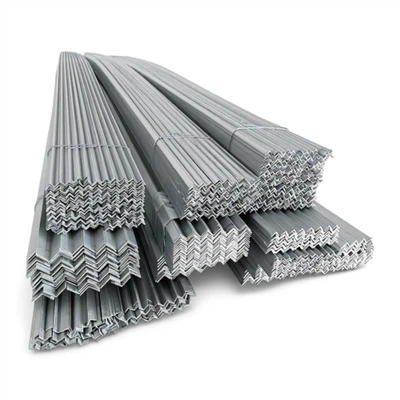
Adjusting the thickness of stainless steel flat bars for different loads is a crucial aspect in various industries, from construction to manufacturing. As a stainless steel flat bar supplier, I understand the importance of getting this right to ensure the safety and efficiency of projects. In this blog, I'll share some insights on how to make these adjustments effectively.
Understanding the Basics of Load and Stainless Steel Flat Bars
Before delving into the adjustment process, it's essential to understand the relationship between load and stainless steel flat bars. A load can be defined as the force applied to a structure or component. In the case of stainless steel flat bars, loads can be static (such as the weight of a building on a support beam) or dynamic (like the impact forces in a machinery part).
Stainless steel flat bars are known for their strength, corrosion resistance, and versatility. They come in different grades, such as 303 Stainless Steel Flat Bar, each with its own mechanical properties. These properties, including yield strength, ultimate tensile strength, and modulus of elasticity, play a significant role in determining how a flat bar will respond to different loads.
Factors Affecting the Thickness Requirement
Several factors influence the required thickness of a stainless steel flat bar for a specific load.
1. Type of Load
- Static Loads: When dealing with static loads, the main concern is the ability of the flat bar to support the weight without permanent deformation. For example, in a building's framework, the flat bars used as horizontal supports need to be thick enough to bear the weight of the structure above them.
- Dynamic Loads: Dynamic loads, such as vibrations or impact forces, require a different approach. The flat bar must be able to absorb and dissipate the energy from these loads without failing. A thicker bar may be needed to provide the necessary toughness and resilience.
2. Span Length
The distance between the supports of a flat bar, known as the span length, also affects the thickness requirement. A longer span will result in higher bending moments and shear forces on the bar. As a general rule, the thicker the bar, the longer the span it can support without excessive deflection.
3. Environmental Conditions
The environment in which the flat bar will be used can also impact its thickness. For instance, in corrosive environments, a thicker bar may be necessary to ensure a longer service life. The corrosion can gradually reduce the cross - sectional area of the bar, weakening it over time.
Calculating the Required Thickness
To determine the appropriate thickness of a stainless steel flat bar for a given load, engineers typically use structural analysis methods.
1. Bending Moment Calculation
The bending moment is a measure of the internal forces that cause a bar to bend. It can be calculated using equations based on the type of load (uniform, point, etc.) and the support conditions (simply supported, fixed, etc.). Once the bending moment (M) is known, the required section modulus (S) can be calculated using the formula:
[S=\frac{M}{\sigma_{allow}}]
where (\sigma_{allow}) is the allowable stress of the stainless steel. The section modulus is related to the cross - sectional dimensions of the flat bar, including its thickness.
2. Shear Force Consideration
In addition to bending, the flat bar must also be able to withstand shear forces. The shear stress ((\tau)) in the bar can be calculated, and the thickness can be adjusted to ensure that the shear stress remains below the allowable shear stress of the material.
3. Using Software and Standards
Many engineering software packages are available that can perform these calculations more accurately and efficiently. These tools take into account various factors and can provide detailed reports on the required dimensions of the flat bar. Additionally, industry standards, such as those set by ASTM (American Society for Testing and Materials), can be used as a reference to ensure compliance with safety and quality requirements.
Adjusting the Thickness in Practice
Once the required thickness has been calculated, as a stainless steel flat bar supplier, I offer a range of options to meet the specific needs of customers.
1. Stock Sizes
We maintain a large inventory of Flat Bar Stock in various thicknesses. Customers can choose from these standard sizes if they closely match the calculated requirements. This option is cost - effective and allows for quick delivery.
2. Custom Fabrication
For projects with unique load requirements, we also offer custom fabrication services. Our experienced team can cut, shape, and weld stainless steel flat bars to the exact thickness and dimensions needed. This ensures that the flat bars are precisely tailored to the specific load conditions of the project.
3. Surface Finish
In addition to thickness, the surface finish of the flat bar can also be customized. For example, a Polished Stainless Steel Flat Bar not only looks more aesthetically pleasing but can also offer better corrosion resistance in some cases.
Importance of Quality Assurance
As a supplier, we understand the importance of quality assurance when it comes to stainless steel flat bars. All our products undergo strict quality control measures to ensure that they meet or exceed the required standards. This includes testing for mechanical properties, chemical composition, and dimensional accuracy.


Conclusion
Adjusting the thickness of stainless steel flat bars for different loads is a complex but essential process. By understanding the factors that affect thickness requirements, using appropriate calculation methods, and offering a range of options for customization, we can provide our customers with the best - suited stainless steel flat bars for their projects.
If you are working on a project that requires stainless steel flat bars and need assistance in determining the right thickness for your loads, please feel free to contact us. Our team of experts is ready to help you select the most suitable products and provide the necessary technical support. Let's work together to ensure the success of your project.
References
- "Structural Steel Design" by McCormac and Brown
- ASTM standards for stainless steel products
- Engineering handbooks on material properties and structural analysis