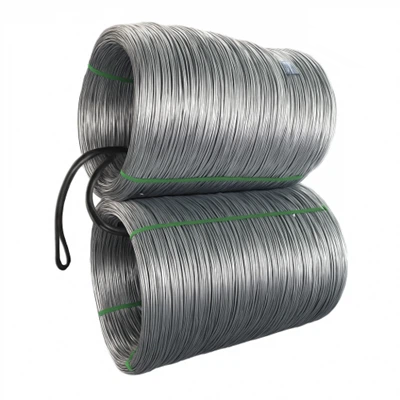
As a supplier of Flat Bar Stock, I am often asked about the manufacturing process of this essential product. In this blog post, I will take you through the step-by-step journey of how flat bar stock is manufactured, from raw materials to the finished product.
Raw Materials
The first step in manufacturing flat bar stock is selecting the appropriate raw materials. The most common materials used for flat bar stock include stainless steel, carbon steel, and aluminum. Each material has its own unique properties and advantages, making it suitable for different applications.
- Stainless Steel: Stainless steel is a popular choice for flat bar stock due to its corrosion resistance, strength, and aesthetic appeal. It contains chromium, which forms a protective oxide layer on the surface, preventing rust and corrosion. Stainless steel flat bar stock is commonly used in industries such as food processing, pharmaceuticals, and architecture.
- Carbon Steel: Carbon steel is a versatile and cost-effective material for flat bar stock. It is known for its high strength and durability, making it suitable for applications that require heavy loads or high stress. Carbon steel flat bar stock is commonly used in construction, machinery, and automotive industries.
- Aluminum: Aluminum is a lightweight and corrosion-resistant material that is widely used in various industries. It has excellent thermal and electrical conductivity, making it suitable for applications that require heat transfer or electrical conductivity. Aluminum flat bar stock is commonly used in aerospace, automotive, and electronics industries.
Melting and Casting
Once the raw materials are selected, they are melted in a furnace at high temperatures. The melting process ensures that the materials are homogeneous and free of impurities. The molten metal is then poured into a mold to form a billet, which is a semi-finished product with a rectangular cross-section.
The billet is then cooled and solidified, and it is ready for further processing. The casting process is critical in determining the quality and properties of the flat bar stock. Factors such as the cooling rate, mold design, and alloy composition can affect the final product's strength, hardness, and ductility.
Rolling
After the billet is cast, it is rolled into a flat bar shape. Rolling is a process that involves passing the billet through a series of rollers to reduce its thickness and increase its length. The rollers apply pressure to the billet, causing it to deform and take on the desired shape.
There are two main types of rolling processes: hot rolling and cold rolling.
- Hot Rolling: Hot rolling is a process that is carried out at high temperatures, typically above the recrystallization temperature of the metal. The high temperature makes the metal more malleable and easier to shape. Hot rolling is commonly used for large-scale production of flat bar stock, as it is a fast and efficient process.
- Cold Rolling: Cold rolling is a process that is carried out at room temperature or slightly above. The cold rolling process results in a smoother surface finish and tighter dimensional tolerances compared to hot rolling. Cold rolling is commonly used for applications that require high precision and a high-quality surface finish, such as in the automotive and aerospace industries.
Heat Treatment
After the flat bar stock is rolled, it may undergo heat treatment to improve its mechanical properties. Heat treatment involves heating the flat bar stock to a specific temperature and then cooling it at a controlled rate. The heat treatment process can improve the strength, hardness, and ductility of the flat bar stock, making it more suitable for specific applications.
There are several types of heat treatment processes, including annealing, quenching, and tempering.
- Annealing: Annealing is a heat treatment process that involves heating the flat bar stock to a specific temperature and then cooling it slowly. The annealing process helps to relieve internal stresses, improve the ductility of the metal, and make it easier to machine.
- Quenching: Quenching is a heat treatment process that involves heating the flat bar stock to a specific temperature and then cooling it rapidly. The rapid cooling process hardens the metal, making it stronger and more wear-resistant.
- Tempering: Tempering is a heat treatment process that involves heating the quenched flat bar stock to a specific temperature and then cooling it slowly. The tempering process helps to reduce the brittleness of the metal and improve its toughness.
Finishing
After the heat treatment process, the flat bar stock may undergo finishing operations to improve its surface quality and appearance. Finishing operations can include grinding, polishing, and coating.
- Grinding: Grinding is a process that involves using abrasive wheels to remove a small amount of material from the surface of the flat bar stock. Grinding can improve the surface finish and dimensional accuracy of the flat bar stock.
- Polishing: Polishing is a process that involves using abrasive materials to smooth the surface of the flat bar stock. Polishing can improve the aesthetic appeal of the flat bar stock and make it more resistant to corrosion.
- Coating: Coating is a process that involves applying a protective layer to the surface of the flat bar stock. Coating can improve the corrosion resistance and wear resistance of the flat bar stock.
Quality Control
Throughout the manufacturing process, quality control measures are implemented to ensure that the flat bar stock meets the required specifications and standards. Quality control measures can include visual inspection, dimensional measurement, and mechanical testing.
- Visual Inspection: Visual inspection involves examining the flat bar stock for surface defects, such as cracks, scratches, and pits. Visual inspection can be carried out using the naked eye or with the help of magnifying tools.
- Dimensional Measurement: Dimensional measurement involves measuring the dimensions of the flat bar stock, such as its length, width, and thickness. Dimensional measurement can be carried out using measuring tools, such as calipers and micrometers.
- Mechanical Testing: Mechanical testing involves testing the mechanical properties of the flat bar stock, such as its strength, hardness, and ductility. Mechanical testing can be carried out using testing equipment, such as tensile testing machines and hardness testers.
Conclusion
In conclusion, the manufacturing process of flat bar stock involves several steps, from raw materials selection to finishing operations. Each step is critical in determining the quality and properties of the final product. As a supplier of Flat Bar Stock, we are committed to providing high-quality products that meet the needs of our customers.
We offer a wide range of flat bar stock products, including Polished Stainless Steel Flat Bar and 410 Stainless Steel Flat Bar. Our products are manufactured using the latest technology and equipment, and they are subject to strict quality control measures to ensure their reliability and performance.
If you are interested in purchasing flat bar stock for your next project, please contact us to discuss your requirements. We look forward to working with you and providing you with the best possible products and services.


References
- ASM Handbook, Volume 1: Properties and Selection: Irons, Steels, and High-Performance Alloys.
- Metals Handbook Desk Edition, 2nd Edition.
- Manufacturing Engineering and Technology, 6th Edition, by Serope Kalpakjian and Steven Schmid.