Can steel solid angle bars be used in high - temperature environments?
As a supplier of Steel Solid Angle Bars, I often receive inquiries from customers about the suitability of our products in various conditions, especially high - temperature environments. In this blog, I will delve into the properties of steel solid angle bars and analyze whether they can be effectively used in high - temperature settings.
Understanding Steel Solid Angle Bars
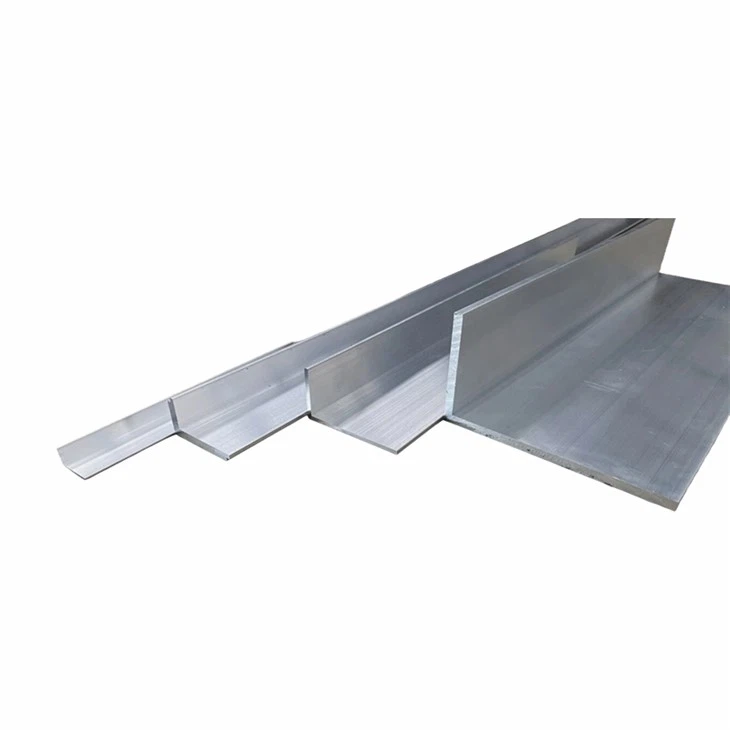
Steel solid angle bars are a type of structural steel with an L - shaped cross - section. They are widely used in construction, manufacturing, and engineering projects due to their excellent strength and durability. Our Steel Solid Angle Bar products come in different sizes and grades, each designed to meet specific application requirements. For instance, the L Type Angle Bar is a popular choice for framing and support structures.
Properties of Steel at High Temperatures
To determine if steel solid angle bars can be used in high - temperature environments, we first need to understand how steel behaves under such conditions.
Thermal Expansion
One of the most significant effects of high temperatures on steel is thermal expansion. As the temperature rises, the atoms in the steel lattice vibrate more vigorously, causing the material to expand. The coefficient of thermal expansion for steel is approximately 11 - 13 × 10⁻⁶/°C. This means that for every degree Celsius increase in temperature, a steel bar will expand by a small but measurable amount. In high - temperature applications, this expansion can lead to stress and deformation if not properly accounted for. For example, in a building structure where steel angle bars are used for support, excessive thermal expansion could cause misalignment or even structural failure.
Loss of Strength
Another critical factor is the loss of strength at high temperatures. As the temperature increases, the yield strength and ultimate tensile strength of steel decrease. At around 400 - 500°C, steel begins to lose its strength significantly. By the time the temperature reaches 600 - 700°C, the strength of steel can drop to less than half of its room - temperature value. This reduction in strength can compromise the structural integrity of the steel solid angle bars, making them less capable of withstanding the loads they are designed to support.
Oxidation
High temperatures also accelerate the oxidation process of steel. When steel is exposed to oxygen at elevated temperatures, it forms iron oxide (rust). Oxidation not only weakens the steel by consuming the metal but also reduces its corrosion resistance. In a high - temperature environment with high humidity or the presence of corrosive gases, the oxidation rate can be even faster. This can lead to pitting, cracking, and eventually the failure of the steel solid angle bars.
Types of Steel Suitable for High - Temperature Environments
Not all steel is created equal when it comes to high - temperature performance. Some types of steel are specifically designed to withstand elevated temperatures.
Stainless Steel
Stainless steel is a popular choice for high - temperature applications. Our Stainless Steel 304 Angle Bar contains chromium, which forms a protective oxide layer on the surface of the steel. This oxide layer prevents further oxidation and corrosion, even at high temperatures. Stainless steel 304 can maintain its strength and corrosion resistance up to approximately 870°C. However, it should be noted that at very high temperatures, the mechanical properties of stainless steel will still degrade over time.
Heat - Resistant Alloys
Heat - resistant alloys, such as nickel - chromium - iron alloys, are even more suitable for extremely high - temperature environments. These alloys have excellent high - temperature strength, oxidation resistance, and creep resistance. Creep is the slow deformation of a material under a constant load at high temperatures. Heat - resistant alloys can be used in applications where the temperature exceeds 1000°C, such as in furnaces and aerospace components. However, these alloys are generally more expensive than regular steel.
Applications of Steel Solid Angle Bars in High - Temperature Environments
Despite the challenges posed by high temperatures, steel solid angle bars can still be used in certain high - temperature applications with proper precautions.
Industrial Furnaces
In industrial furnaces, steel solid angle bars can be used for structural support. However, they need to be protected from direct contact with the high - temperature flames and gases. Insulation materials can be used to reduce the temperature of the steel bars and prevent excessive thermal expansion and oxidation. Additionally, heat - resistant coatings can be applied to the surface of the bars to enhance their oxidation resistance.
Power Generation Plants
In power generation plants, such as coal - fired or gas - fired power plants, steel solid angle bars are used in various structures. For example, they can be used in the construction of boiler frames. In these applications, the steel bars are often exposed to high temperatures and corrosive environments. Therefore, proper material selection and corrosion protection measures are essential to ensure the long - term performance of the bars.
Mitigating the Effects of High Temperatures
To use steel solid angle bars effectively in high - temperature environments, several mitigation strategies can be employed.
Design Considerations
During the design phase, the effects of thermal expansion should be taken into account. Expansion joints can be incorporated into the structure to allow for the free movement of the steel bars as they expand and contract with temperature changes. Additionally, the load - bearing capacity of the bars should be calculated based on their reduced strength at high temperatures.
Material Selection
As mentioned earlier, choosing the right type of steel is crucial. For applications where the temperature is relatively low (below 500°C), regular carbon steel with appropriate corrosion protection may be sufficient. For higher temperatures, stainless steel or heat - resistant alloys should be considered.
Protective Coatings
Applying protective coatings to the surface of the steel solid angle bars can significantly improve their high - temperature performance. Ceramic coatings, for example, can provide excellent thermal insulation and oxidation resistance. These coatings can reduce the heat transfer to the steel and slow down the oxidation process.

Conclusion
In conclusion, steel solid angle bars can be used in high - temperature environments, but careful consideration must be given to their properties and the specific conditions of the application. While steel has some limitations at high temperatures, such as thermal expansion, loss of strength, and oxidation, these issues can be mitigated through proper design, material selection, and protective measures.
If you are considering using steel solid angle bars in a high - temperature application, I encourage you to contact us for more information. Our team of experts can help you select the right product and provide guidance on how to ensure its optimal performance in your specific environment. Whether you need L Type Angle Bar, Steel Solid Angle Bar, or Stainless Steel 304 Angle Bar, we are here to assist you in making the best choice for your project.
References
- ASM Handbook Volume 1: Properties and Selection: Irons, Steels, and High - Performance Alloys
- "Structural Steel Design" by Jack C. McCormac
- "High - Temperature Materials and Technology" by P. K. Rohatgi