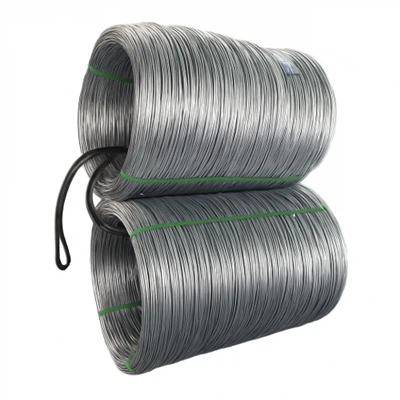
Can stainless steel wire be used in electrical applications? This is a question that often arises in the minds of many engineers, designers, and those involved in electrical projects. As a supplier of stainless steel wire, I've had numerous discussions with clients on this very topic. In this blog post, I'll delve into the properties of stainless steel wire, its suitability for electrical applications, and explore some of the specific types of stainless steel wire that are commonly used.
Properties of Stainless Steel Wire
Stainless steel wire is known for its excellent corrosion resistance, high strength, and durability. These properties make it a popular choice in a wide range of industries, from construction to automotive. But what about its electrical properties?
One of the key factors in electrical applications is conductivity. Metals are generally good conductors of electricity, but the conductivity of stainless steel is relatively low compared to other metals like copper and aluminum. Copper, for example, has a high electrical conductivity, which is why it's widely used in electrical wiring. Stainless steel, on the other hand, has a resistivity that is about 40 to 50 times higher than copper. This means that for the same cross - sectional area and length, a stainless steel wire will have a much higher resistance and will dissipate more energy as heat when an electric current passes through it.

However, low conductivity isn't always a drawback. In some electrical applications, a certain amount of resistance is actually desirable. For instance, in heating elements, the resistance of the wire is used to convert electrical energy into heat. Stainless steel wire can be used in these applications because it can withstand high temperatures without melting or degrading.
Another important property of stainless steel wire is its corrosion resistance. In electrical applications where the wire is exposed to moisture, chemicals, or harsh environments, corrosion can be a major problem. Copper and aluminum wires can corrode over time, which can lead to increased resistance, poor electrical performance, and even safety hazards. Stainless steel wire, with its protective oxide layer, is highly resistant to corrosion. This makes it suitable for use in outdoor electrical installations, marine applications, and industrial environments where corrosion is a concern.
Types of Stainless Steel Wire for Electrical Applications
There are several types of stainless steel wire that can be used in electrical applications. Let's take a look at some of the most common ones:
316 Stainless Steel Wire
316 Stainless Steel Wire is a popular choice for electrical applications, especially those in corrosive environments. It contains molybdenum, which enhances its corrosion resistance, particularly against pitting and crevice corrosion. This type of stainless steel wire can be used in marine electrical systems, where it is exposed to saltwater, as well as in chemical processing plants.
The high strength and good formability of 316 stainless steel wire also make it suitable for use in electrical connectors and terminals. It can be easily bent, shaped, and crimped without losing its mechanical integrity.
304N Stainless Steel Wire
304N Stainless Steel Wire is another option for electrical applications. The "N" in 304N stands for nitrogen, which is added to improve the strength and corrosion resistance of the steel. This type of wire has good electrical conductivity for a stainless steel, and it is often used in general - purpose electrical wiring, especially in indoor applications where corrosion is not a major concern.
Stainless Steel 316Ti Wire Mesh
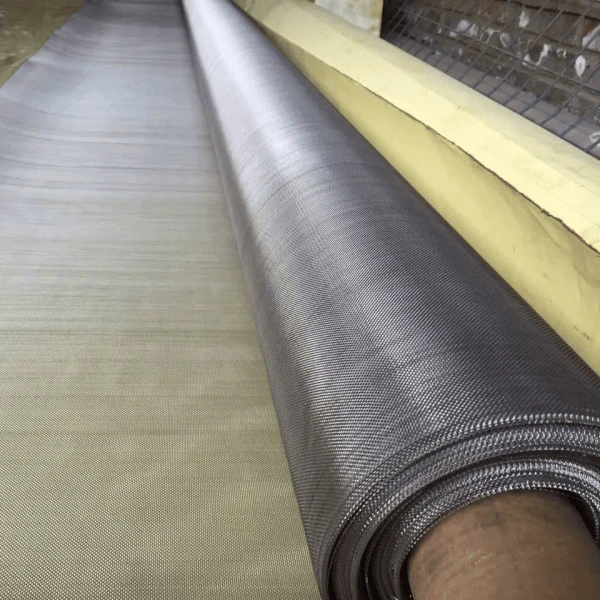
Stainless Steel 316Ti Wire Mesh is also used in electrical applications. The addition of titanium in 316Ti stainless steel provides better resistance to intergranular corrosion, making it suitable for use in high - temperature and corrosive environments. The wire mesh can be used as a shielding material to protect electrical components from electromagnetic interference (EMI). It can also be used in filtration applications in electrical systems, where it helps to remove contaminants from fluids or gases.
Applications of Stainless Steel Wire in Electrical Systems
Heating Elements
As mentioned earlier, stainless steel wire can be used in heating elements. Its relatively high resistance allows it to generate heat when an electric current passes through it. Stainless steel heating elements are used in a variety of appliances, such as electric stoves, water heaters, and industrial furnaces. They are preferred in these applications because they can withstand high temperatures and are resistant to oxidation and corrosion.
Electrical Connectors and Terminals
Stainless steel wire is used in the manufacturing of electrical connectors and terminals. Its strength and corrosion resistance make it a reliable choice for ensuring a good electrical connection. Stainless steel connectors can be used in automotive electrical systems, where they are exposed to vibrations, moisture, and temperature variations. They can also be used in industrial control panels and power distribution systems.
Shielding
In modern electrical systems, electromagnetic interference (EMI) can be a major problem. Stainless steel wire mesh can be used as a shielding material to protect sensitive electrical components from EMI. The mesh acts as a Faraday cage, blocking electromagnetic waves and preventing them from interfering with the operation of the electrical equipment. This is particularly important in electronic devices, such as computers, smartphones, and medical equipment.
Filtration
In some electrical systems, such as those in power plants or chemical processing facilities, fluids or gases need to be filtered to remove contaminants. Stainless steel wire mesh can be used as a filter medium. Its corrosion resistance and high strength make it suitable for use in harsh environments, and it can effectively remove particles of various sizes from the fluid or gas stream.
Conclusion
In conclusion, stainless steel wire can indeed be used in electrical applications. While its low electrical conductivity may limit its use in some high - current, low - resistance applications, its other properties, such as corrosion resistance, high strength, and the ability to withstand high temperatures, make it a valuable material in many electrical systems.
Whether you need a wire for heating elements, electrical connectors, shielding, or filtration, there is a type of stainless steel wire that can meet your requirements. As a stainless steel wire supplier, I have a wide range of products available to suit different electrical applications. If you're interested in learning more about our stainless steel wire products or have a specific electrical project in mind, I encourage you to contact me for a detailed discussion. We can work together to find the best solution for your needs.
References
- ASM Handbook, Volume 1: Properties and Selection: Irons, Steels, and High - Performance Alloys
- "Stainless Steel: A Technical Guide" by The Nickel Institute
- Electrical Engineering textbooks on materials and components for electrical systems