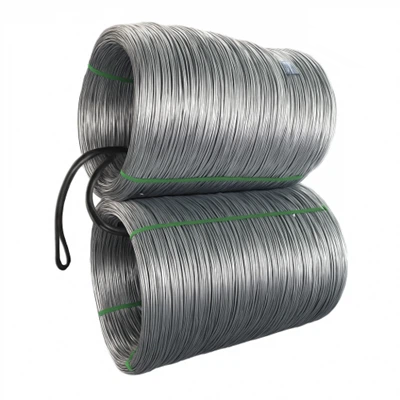
In the dynamic and demanding environment of chemical processing plants, the selection of materials is a critical decision that can significantly impact the efficiency, safety, and longevity of operations. Among the various materials available, stainless steel flat bar has emerged as a popular choice due to its unique combination of properties. As a dedicated stainless steel flat bar supplier, I have witnessed firsthand the versatility and reliability of this material in chemical processing applications. In this blog, I will explore the suitability of stainless steel flat bar for use in chemical processing plants, highlighting its key features, benefits, and applications.
Key Features of Stainless Steel Flat Bar
Stainless steel flat bar is a rectangular-shaped metal bar made from stainless steel, an alloy composed primarily of iron, chromium, and other elements. The addition of chromium provides stainless steel with its characteristic corrosion resistance, making it highly resistant to rust, staining, and oxidation. This property is particularly important in chemical processing plants, where exposure to corrosive chemicals and harsh environments is common.
In addition to its corrosion resistance, stainless steel flat bar offers several other key features that make it well-suited for use in chemical processing applications:


- High Strength: Stainless steel flat bar has a high strength-to-weight ratio, making it strong and durable while remaining relatively lightweight. This allows for the construction of robust structures and equipment without adding excessive weight.
- Good Ductility: Stainless steel flat bar is highly ductile, meaning it can be easily formed, bent, and welded without cracking or breaking. This makes it a versatile material that can be customized to meet the specific requirements of chemical processing plants.
- Heat Resistance: Stainless steel flat bar has excellent heat resistance, allowing it to withstand high temperatures without losing its strength or integrity. This property is essential in chemical processing plants, where processes often involve high temperatures and pressures.
- Hygienic: Stainless steel flat bar is non-porous and easy to clean, making it a hygienic choice for use in chemical processing plants. It is resistant to bacteria and other microorganisms, reducing the risk of contamination and ensuring the safety of products and processes.
Benefits of Using Stainless Steel Flat Bar in Chemical Processing Plants
The use of stainless steel flat bar in chemical processing plants offers several significant benefits, including:
- Corrosion Resistance: As mentioned earlier, stainless steel flat bar is highly resistant to corrosion, making it ideal for use in chemical processing environments where exposure to corrosive chemicals is common. This helps to prevent the degradation of equipment and structures, reducing maintenance costs and downtime.
- Longevity: Stainless steel flat bar has a long service life, even in harsh chemical processing environments. This reduces the need for frequent replacements, saving time and money in the long run.
- Versatility: Stainless steel flat bar can be used in a wide range of applications in chemical processing plants, including structural support, piping, and equipment fabrication. Its versatility makes it a cost-effective solution for various needs.
- Safety: Stainless steel flat bar is a safe material to use in chemical processing plants. It is non-toxic and does not release harmful chemicals or fumes, ensuring the safety of workers and the environment.
- Aesthetics: Stainless steel flat bar has a sleek and modern appearance, making it a popular choice for use in chemical processing plants where aesthetics are important. It can enhance the overall look of the facility and contribute to a professional and clean environment.
Applications of Stainless Steel Flat Bar in Chemical Processing Plants
Stainless steel flat bar is used in a variety of applications in chemical processing plants, including:
- Structural Support: Stainless steel flat bar is commonly used as structural support in chemical processing plants. It can be used to construct frames, platforms, and other structures that provide stability and support for equipment and machinery.
- Piping: Stainless steel flat bar is also used in the construction of piping systems in chemical processing plants. Its corrosion resistance and high strength make it an ideal material for transporting corrosive chemicals and fluids.
- Equipment Fabrication: Stainless steel flat bar is used in the fabrication of various equipment and machinery in chemical processing plants, such as tanks, reactors, and heat exchangers. Its versatility and durability make it a popular choice for these applications.
- Storage Tanks: Stainless steel flat bar is used in the construction of storage tanks for chemicals and other fluids. Its corrosion resistance and hygienic properties make it an ideal material for storing and transporting these substances.
- Safety Railings: Stainless steel flat bar is used to construct safety railings and barriers in chemical processing plants. Its high strength and durability make it a reliable safety feature that can prevent accidents and injuries.
Types of Stainless Steel Flat Bar for Chemical Processing Plants
There are several types of stainless steel flat bar available, each with its own unique properties and characteristics. The choice of stainless steel flat bar depends on the specific requirements of the chemical processing application, including the type of chemicals involved, the operating conditions, and the desired level of corrosion resistance.
- 304 Stainless Steel Flat Bar: 304 stainless steel is the most commonly used type of stainless steel in chemical processing plants. It is a versatile and cost-effective material that offers good corrosion resistance in a wide range of environments. Flat Bar Stock is a popular option for general-purpose applications in chemical processing plants.
- 316 Stainless Steel Flat Bar: 316 stainless steel is a higher-grade stainless steel that offers superior corrosion resistance compared to 304 stainless steel. It contains molybdenum, which enhances its resistance to pitting and crevice corrosion in chloride-rich environments. 316 Stainless Steel Flat Bar is commonly used in applications where exposure to harsh chemicals and high temperatures is expected.
- 410 Stainless Steel Flat Bar: 410 stainless steel is a martensitic stainless steel that offers high strength and hardness. It is less corrosion-resistant than 304 and 316 stainless steel but is suitable for applications where wear resistance is a primary concern. 410 Stainless Steel Flat Bar is commonly used in the fabrication of cutting tools, valves, and other components that require high strength and durability.
Considerations for Using Stainless Steel Flat Bar in Chemical Processing Plants
While stainless steel flat bar offers many benefits for use in chemical processing plants, there are several considerations that should be taken into account to ensure its proper use and performance:
- Chemical Compatibility: It is important to ensure that the stainless steel flat bar is compatible with the chemicals and fluids it will come into contact with. Different types of stainless steel have different levels of corrosion resistance, so it is essential to select the appropriate grade for the specific application.
- Operating Conditions: The operating conditions in chemical processing plants, such as temperature, pressure, and humidity, can have a significant impact on the performance of stainless steel flat bar. It is important to consider these factors when selecting the appropriate grade and thickness of stainless steel flat bar.
- Fabrication and Installation: Proper fabrication and installation techniques are essential to ensure the performance and longevity of stainless steel flat bar in chemical processing plants. It is important to follow the manufacturer's recommendations and industry standards when fabricating and installing stainless steel flat bar.
- Maintenance and Inspection: Regular maintenance and inspection are necessary to ensure the continued performance and safety of stainless steel flat bar in chemical processing plants. It is important to monitor the condition of the stainless steel flat bar and perform any necessary repairs or replacements in a timely manner.
Conclusion
In conclusion, stainless steel flat bar is a versatile and reliable material that is well-suited for use in chemical processing plants. Its corrosion resistance, high strength, good ductility, heat resistance, and hygienic properties make it an ideal choice for a wide range of applications in the chemical processing industry. As a stainless steel flat bar supplier, I am committed to providing high-quality products and excellent customer service to meet the needs of chemical processing plants. If you are interested in learning more about our stainless steel flat bar products or have any questions about their suitability for your specific application, please do not hesitate to contact us. We look forward to working with you to find the best solution for your chemical processing needs.
References
- ASM Handbook, Volume 13A: Corrosion: Fundamentals, Testing, and Protection
- Stainless Steel World Americas
- Chemical Engineering Progress