As a dedicated supplier of Welding Angle Bar, I often encounter various inquiries from customers regarding the welding process. One question that comes up frequently is, "Can I weld angle bar with a low - amperage welding setting?" This blog post aims to delve into this topic comprehensively, providing you with scientific and practical insights.
Understanding Angle Bars
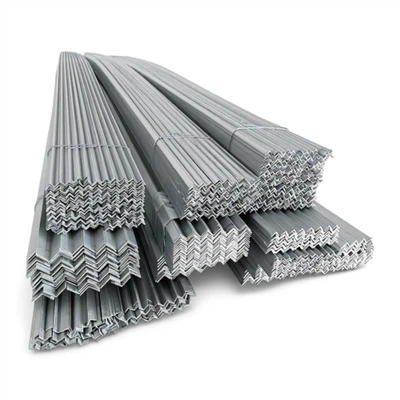
Before we discuss the welding process, it's essential to understand what angle bars are. Angle bars, also known as angle irons, are L - shaped structural steel or stainless - steel products. They are widely used in construction, manufacturing, and DIY projects due to their strength and versatility. You can find different types of angle bars, such as the Steel Solid Angle Bar and the L Type Angle Bar. These bars come in various sizes and thicknesses, which can significantly influence the welding process.
The Basics of Welding Amperage
Welding amperage refers to the amount of electrical current used during the welding process. It plays a crucial role in determining the heat input into the metal. Higher amperage generally means more heat, which can melt the metal faster and create a deeper weld penetration. On the other hand, lower amperage results in less heat, which may seem like a safer option in some cases.


Factors to Consider When Welding Angle Bars with Low Amperage
1. Thickness of the Angle Bar
The thickness of the angle bar is a primary factor. If you are working with thin - walled angle bars, a low - amperage setting can be sufficient. For example, angle bars with a thickness of less than 3mm can often be welded with a relatively low amperage. The lower heat input helps prevent burn - through, which is a common issue when welding thin metals. However, if the angle bar is thick, say over 6mm, a low - amperage setting may not provide enough heat to melt the metal adequately. This can lead to a weak weld with poor fusion between the two pieces of angle bar.
2. Type of Welding Process
There are several welding processes available, such as MIG (Metal Inert Gas), TIG (Tungsten Inert Gas), and Stick welding. Each process has different requirements for amperage. For instance, TIG welding is often used for precise and high - quality welds. It can be used with low amperage for thin angle bars, especially when using a small - diameter tungsten electrode. MIG welding, on the other hand, can be more forgiving and may require a bit more amperage, but it can also be adjusted to work with lower settings for thinner materials. Stick welding is generally better suited for thicker angle bars, but it can also be used with low amperage for thin sections, although it may require more skill to achieve a good weld.
3. Weld Quality
Weld quality is of utmost importance. When using a low - amperage setting, the weld bead may be narrower and have less penetration. This can result in a weaker joint, especially if the angle bar is subjected to high stress or load. A good weld should have proper fusion between the base metal and the filler metal, as well as adequate reinforcement. If the amperage is too low, the weld may not fuse properly, leading to porosity, lack of fusion, and other defects.
Advantages of Welding Angle Bars with Low Amperage
1. Reduced Distortion
One of the significant advantages of using a low - amperage setting is reduced distortion. High heat can cause the angle bar to warp or bend, especially if it is not properly secured. With low amperage, the heat input is more controlled, which minimizes the chances of distortion. This is particularly important when welding angle bars for precision applications, such as in machinery or architectural structures.
2. Suitable for Thin Materials
As mentioned earlier, low - amperage welding is ideal for thin - walled angle bars. It allows you to create a weld without burning through the metal, which is a common problem when using high amperage on thin materials.
Disadvantages of Welding Angle Bars with Low Amperage
1. Weak Welds
The most significant disadvantage is the potential for weak welds. If the amperage is too low, the metal may not melt sufficiently, resulting in a lack of fusion between the two pieces of angle bar. This can lead to a joint that fails under stress.
2. Slower Welding Speed
Low - amperage welding generally requires more passes to build up the weld bead. This can significantly slow down the welding process, especially when working on large projects.
Tips for Welding Angle Bars with Low Amperage
1. Prepare the Surface
Proper surface preparation is crucial. Clean the angle bars thoroughly to remove any rust, dirt, or oil. This ensures better fusion and reduces the chances of defects in the weld.
2. Use the Right Filler Metal
Choose a filler metal that is compatible with the angle bar material. The filler metal should have similar properties to the base metal to ensure a strong and durable weld.
3. Practice and Experiment
Before starting a large - scale project, practice welding on scrap pieces of angle bar. Experiment with different amperage settings to find the optimal one for your specific application.
Conclusion
In conclusion, it is possible to weld angle bars with a low - amperage setting, but it depends on several factors, including the thickness of the angle bar, the type of welding process, and the desired weld quality. While low - amperage welding has its advantages, such as reduced distortion and suitability for thin materials, it also has limitations, such as the potential for weak welds and slower welding speed.
If you are in the market for high - quality Welding Angle Bar, we are here to assist you. Our range of angle bars is carefully selected to meet the highest standards of quality and performance. Whether you are a professional welder or a DIY enthusiast, we can provide you with the right angle bars for your project. If you have any questions or would like to discuss your specific requirements, please feel free to reach out to us for a procurement discussion.
References
- American Welding Society. Welding Handbook.
- AWS D1.1 Structural Welding Code - Steel.