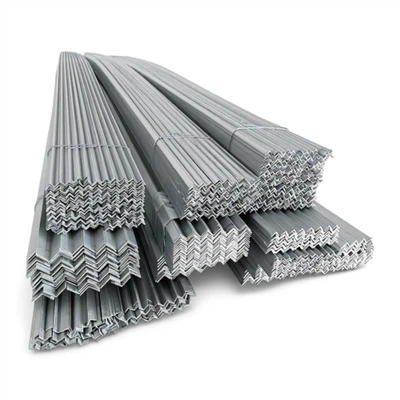
Hey there! As a supplier of black stainless wire, I often get asked whether black stainless wire can be used in medical devices. It's a super interesting question, and today, I'm gonna break it down for you.
First off, let's talk a bit about what black stainless wire is. Stainless steel is already well - known for its corrosion resistance, strength, and durability. Black stainless wire is basically stainless steel wire that has undergone a special treatment to give it that black finish. This treatment can be things like black oxide coating or other surface treatments.
Now, when it comes to medical devices, there are some strict requirements. The materials used need to be biocompatible, which means they don't cause any adverse reactions when they come into contact with the human body. They also need to be corrosion - resistant because medical devices are often exposed to bodily fluids, disinfectants, and other chemicals. And of course, they need to have the right mechanical properties to perform their intended functions.
One of the main concerns with using black stainless wire in medical devices is the biocompatibility of the black coating. Some blackening processes might use chemicals that could potentially be harmful if they leach into the body. However, if the coating is properly applied and tested, it can be safe. For example, some black oxide coatings are known to be relatively stable and non - toxic.
Let's take a look at different types of stainless steel wires that can be blackened and their potential use in medical devices.
316 Stainless Steel Spring Wire
316 Stainless Steel Spring Wire is a popular choice in the medical field. 316 stainless steel contains molybdenum, which gives it excellent corrosion resistance, especially against chloride - containing environments like bodily fluids. When this wire is blackened, it can still maintain a lot of its beneficial properties. It can be used in things like surgical instruments that need to be springy, such as forceps or retractors. The black finish can also be useful in reducing glare in surgical settings, which can be a big plus for surgeons.
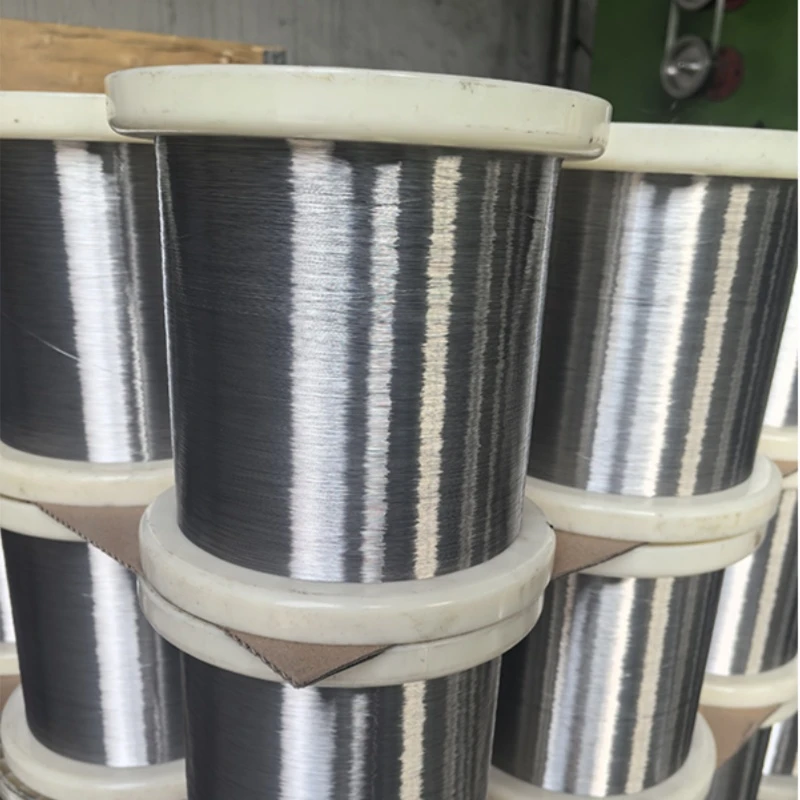
410 Stainless Steel Wire
410 Stainless Steel Wire is a martensitic stainless steel. It has good strength and hardness, which makes it suitable for applications where wear resistance is important. In medical devices, it could potentially be used in parts that need to withstand mechanical stress, like the cutting edges of some dental tools. When blackened, it can offer a more aesthetically pleasing appearance while still maintaining its mechanical integrity. However, its corrosion resistance is not as good as 316 stainless steel, so it might need to be used in less corrosive environments within medical devices.
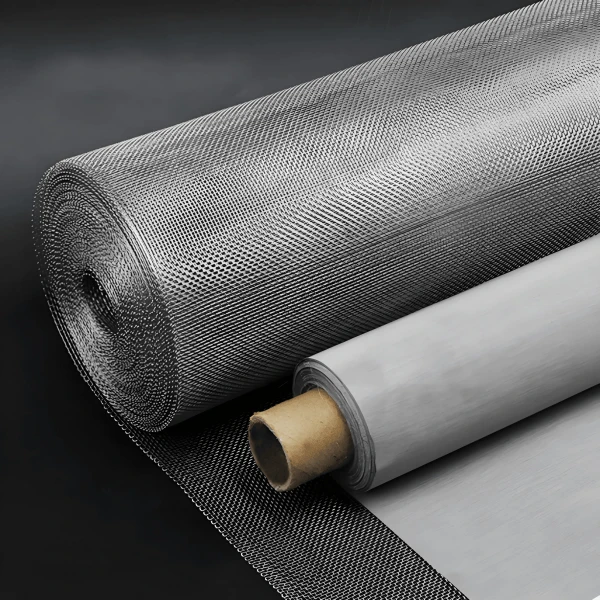
310s Stainless Steel Wire Mesh
310s Stainless Steel Wire Mesh is known for its high - temperature resistance. In medical applications, it could be used in devices that need to be sterilized at high temperatures, such as in autoclaves. The blackened version of this wire mesh can provide additional benefits, like reduced reflectivity. This can be useful in imaging devices where reflections can interfere with the accuracy of the results.
Another aspect to consider is the manufacturing process of medical devices. Black stainless wire needs to be able to be fabricated into the desired shapes and sizes. It should be easy to cut, bend, and form without losing its properties. For example, if a medical device requires a complex spring shape, the black stainless wire should be able to be formed into that shape without the coating cracking or flaking off.
Quality control is also crucial. As a supplier, I make sure that all our black stainless wire goes through rigorous testing. We test for things like adhesion of the black coating, corrosion resistance, and mechanical properties. This ensures that the wire meets the high standards required for medical applications.
Now, let's talk about some of the potential drawbacks. One issue is that the black coating might make it a bit more difficult to detect surface defects compared to regular stainless steel wire. This means that more advanced inspection techniques might be needed. Also, the cost of black stainless wire can be slightly higher than regular stainless steel wire due to the additional processing steps.
But overall, I believe that black stainless wire can definitely be used in medical devices. With the right type of stainless steel, proper coating application, and strict quality control, it can offer unique advantages. It can improve the functionality, aesthetics, and performance of medical devices.
If you're in the medical device manufacturing industry and are interested in using black stainless wire for your products, I'd love to have a chat with you. We can discuss your specific requirements, and I can provide samples for you to test. Whether you need 316 Stainless Steel Spring Wire, 410 Stainless Steel Wire, or 310s Stainless Steel Wire Mesh, we've got you covered.
So, don't hesitate to reach out and start the conversation. Let's work together to create high - quality medical devices with the help of our black stainless wire.
References
- ASTM International. (2021). ASTM standards related to stainless steel materials.
- Medical Device Manufacturing Handbook. (2020). A comprehensive guide on materials and manufacturing processes for medical devices.