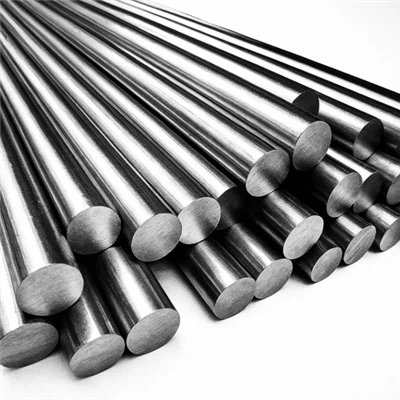
Hey there! As a supplier of Alloy 925 Round Bar, I often get asked if this material can be used in medical equipment. Well, let's dive right into it and see if Alloy 925 Round Bar has what it takes for the medical field.
First off, let's talk a bit about what Alloy 925 is. Alloy 925 is a type of silver alloy that contains 92.5% silver and 7.5% other metals, usually copper. This combination gives it a good balance of strength, durability, and malleability. It's a popular choice for jewelry and decorative items because of its beautiful luster and relatively low cost compared to pure silver.
Now, when it comes to medical equipment, there are a few key factors we need to consider. The most important ones are biocompatibility, corrosion resistance, and mechanical properties.
Biocompatibility is crucial in medical applications. The material must not cause any adverse reactions when it comes into contact with the human body. Alloy 925 has a relatively good biocompatibility. Silver has natural antibacterial properties, which can be a big plus in medical settings. It can help prevent the growth of bacteria on the surface of the equipment, reducing the risk of infections. However, the copper in the alloy might cause some allergic reactions in a small percentage of people. So, it's important to test the material thoroughly before using it in medical devices that will have direct contact with the skin or internal organs.
Corrosion resistance is another vital aspect. Medical equipment is often exposed to various chemicals, bodily fluids, and cleaning agents. If the material corrodes easily, it can not only damage the equipment but also pose a risk to the patient. Alloy 925 has a decent level of corrosion resistance, but it's not as good as some other metals used in medical applications, like 403 Stainless Steel Round Bar, 302 Stainless Round Bar, or 316L Stainless Steel Round Bar. Stainless steel is known for its excellent corrosion resistance, which makes it a popular choice for medical instruments.
In terms of mechanical properties, Alloy 925 is relatively soft compared to stainless steel. It can be easily shaped and formed, which is great for manufacturing complex medical devices. However, its lower strength means it might not be suitable for applications that require high load-bearing capacity. For example, in surgical instruments that need to withstand a lot of force during procedures, stainless steel would be a better option.
So, can Alloy 925 Round Bar be used in medical equipment? The answer is yes, but with some limitations. It can be used in certain non-critical medical applications where biocompatibility and aesthetics are important, such as some types of external medical devices or decorative parts of medical equipment. For example, it could be used in the handles of some medical tools or in the casing of non-invasive monitoring devices.
However, for more critical applications, like surgical instruments or implants, it's probably not the best choice. The risk of corrosion and the relatively low strength might pose a safety hazard. In these cases, materials like stainless steel or titanium are more commonly used.
If you're in the medical equipment industry and you're considering using Alloy 925 Round Bar, I'd be more than happy to discuss your specific needs. We can talk about the pros and cons in more detail and see if it's the right fit for your project. Whether you need a small quantity for a prototype or a large order for mass production, we've got you covered.
So, if you're interested in learning more about Alloy 925 Round Bar or have any questions about its suitability for your medical equipment, don't hesitate to reach out. We can have a chat and figure out the best solution for you.
References:


- "Metals in Medical Devices: Properties and Applications" - A comprehensive guide on the use of metals in the medical field.
- "Biocompatibility of Metals in Healthcare" - Research on the biocompatibility of different metals used in medical equipment.