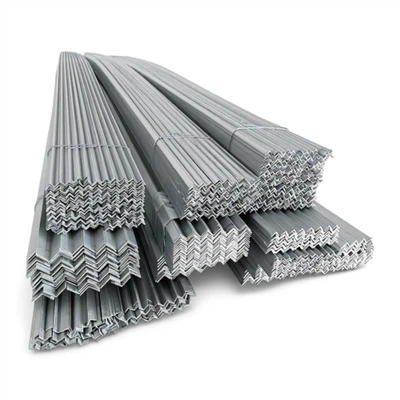
Creep resistance is a crucial property when it comes to standard angle bars, especially in applications where these bars are subjected to long - term stress at elevated temperatures. As a supplier of Standard Angle Bar, I have witnessed firsthand the importance of understanding this characteristic.
Understanding Creep
Creep is the slow and progressive deformation of a material under a constant load over time, particularly at high temperatures. When a standard angle bar is used in environments such as industrial furnaces, power plants, or aerospace applications, it may be exposed to continuous stress and elevated temperatures. Over a long period, even a small amount of creep can lead to significant changes in the shape and dimensions of the angle bar, which can compromise the structural integrity of the entire system.
The creep process occurs in three main stages. The first stage, known as primary creep, is characterized by a relatively rapid rate of deformation. During this stage, the material's internal structure begins to adjust to the applied stress. As the material continues to deform, it enters the secondary creep stage. In this stage, the rate of deformation becomes relatively constant, and the material reaches a state of equilibrium between the applied stress and the internal resistance to deformation. Finally, the tertiary creep stage is marked by an accelerating rate of deformation, which often leads to the eventual failure of the material.
Factors Affecting Creep Resistance of Standard Angle Bars
Material Composition
The composition of the standard angle bar plays a vital role in its creep resistance. For example, stainless steel angle bars are known for their excellent creep resistance due to the presence of alloying elements such as chromium, nickel, and molybdenum. Chromium forms a protective oxide layer on the surface of the steel, which helps to prevent corrosion and oxidation at high temperatures. Nickel enhances the strength and ductility of the steel, while molybdenum improves its resistance to creep and high - temperature strength.
Grain Size
The grain size of the material also affects its creep resistance. Generally, a finer grain size leads to better creep resistance. Smaller grains provide more grain boundaries, which act as barriers to the movement of dislocations within the material. Dislocations are the main carriers of plastic deformation, and by impeding their movement, a finer grain structure can slow down the creep process.
Heat Treatment
Proper heat treatment can significantly improve the creep resistance of standard angle bars. Heat treatment processes such as annealing, quenching, and tempering can alter the microstructure of the material, enhancing its strength and creep resistance. For example, annealing can relieve internal stresses in the material and refine the grain structure, while quenching and tempering can increase the hardness and strength of the steel.
Measuring Creep Resistance
There are several methods for measuring the creep resistance of standard angle bars. One of the most common methods is the creep test, which involves subjecting a sample of the angle bar to a constant load at a specific temperature for a prolonged period. The deformation of the sample is measured at regular intervals, and the creep rate is calculated. Another method is the stress - rupture test, which involves applying a constant load to the sample until it fails. The time to failure and the stress at which failure occurs are used to evaluate the creep resistance of the material.
Applications and Creep Resistance
In many industrial applications, the creep resistance of standard angle bars is of utmost importance. For instance, in the construction of high - temperature pipelines, standard angle bars are used to support and reinforce the pipes. If the angle bars do not have sufficient creep resistance, they may deform over time, leading to leaks and structural failures. Similarly, in the aerospace industry, angle bars are used in the construction of aircraft engines and frames. The high temperatures and stresses experienced in these applications require angle bars with excellent creep resistance to ensure the safety and reliability of the aircraft.
Our Products and Creep Resistance
As a supplier of Standard Angle Bar, we offer a wide range of angle bars with different compositions and properties to meet the diverse needs of our customers. Our Welding Angle Bar is designed for easy welding and has been carefully engineered to provide excellent creep resistance. The Steel Solid Angle Bar in our product line is made from high - quality steel and undergoes strict quality control to ensure its creep resistance.
We understand that every application has unique requirements, and we are committed to providing our customers with the best - suited angle bars. Our team of experts can assist you in selecting the right angle bar based on your specific needs, including the required creep resistance.
Contact for Procurement
If you are in need of standard angle bars with excellent creep resistance for your project, we invite you to reach out to us. Our experienced sales team is ready to discuss your requirements, provide detailed product information, and offer competitive pricing. Whether you are working on a small - scale project or a large - scale industrial application, we have the products and expertise to meet your needs. Don't hesitate to contact us to start the procurement process and ensure the success of your project.


References
- Callister, W. D., & Rethwisch, D. G. (2017). Materials Science and Engineering: An Introduction. Wiley.
- Askeland, D. R., & Phulé, P. P. (2016). The Science and Engineering of Materials. Cengage Learning.