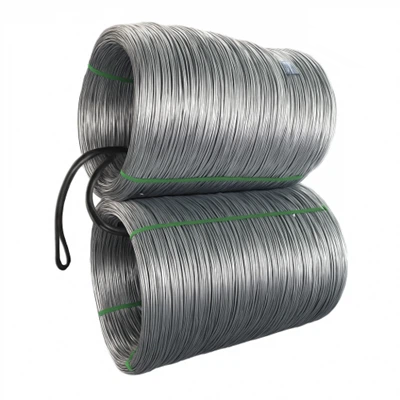
Hey there! I'm a supplier of 316 stainless steel wire, and today I want to have a chat about whether 316 stainless steel wire can be used in solar energy applications.
First off, let's talk a bit about what 316 stainless steel wire is. 316 stainless steel is an austenitic stainless steel alloy. It contains chromium, nickel, and molybdenum. The molybdenum gives it better corrosion resistance compared to some other stainless - steel grades, like 304 Stainless Steel Spring Wire. This corrosion resistance is super important in many applications, especially those where the material is exposed to harsh environments.
Now, let's dive into solar energy applications. Solar energy systems are all about capturing sunlight and converting it into electricity. There are different parts in a solar energy setup, such as solar panels, mounting structures, and wiring.
Use in Solar Panel Mounting Structures
One of the key areas where 316 stainless steel wire can be used is in the mounting structures of solar panels. These structures need to be durable and able to withstand various environmental conditions. Solar panels are often installed outdoors, where they are exposed to rain, snow, sunlight, and even saltwater in coastal areas.
The corrosion - resistant properties of 316 stainless steel wire make it a great choice for this. It can resist rust and degradation over time, ensuring that the mounting structures remain stable and secure. For example, in coastal regions where the air contains a high amount of salt, regular steel would quickly corrode, but 316 stainless steel wire can hold up well. This means that the solar panels will stay in place, and the system can operate efficiently for a long time.


Wiring in Solar Energy Systems
316 stainless steel wire can also be used in the wiring of solar energy systems. Electrical wiring is crucial for transferring the electricity generated by the solar panels to the inverter and then to the power grid or storage system.
The conductivity of 316 stainless steel is not as high as some pure metals like copper. However, in some cases, its corrosion resistance can outweigh the lower conductivity. For instance, in areas with high humidity or where the wiring is exposed to chemicals, the corrosion - resistant nature of 316 stainless steel wire can prevent short - circuits and other electrical problems caused by rust.
Comparison with Other Stainless - Steel Grades
When compared to other stainless - steel grades, 316 has some distinct advantages. Take 302 Stainless Steel Spring Wire for example. 302 stainless steel has good strength and spring properties, but its corrosion resistance is not as good as 316. In a solar energy application where the material is exposed to the elements, 316 would be a better choice.
Another grade is 317L Stainless Steel Welding Wire. 317L has even higher molybdenum content than 316, which means it has better corrosion resistance in some extreme environments. However, it is also more expensive. For most solar energy applications, 316 provides a good balance between cost and performance.
Challenges and Limitations
Of course, 316 stainless steel wire also has some limitations in solar energy applications. As I mentioned earlier, its electrical conductivity is lower than some other materials. In applications where high - speed electricity transfer is required, copper or aluminum might be a better choice.
Also, the initial cost of 316 stainless steel wire is higher than some other materials. This can be a factor for some solar energy projects, especially those on a tight budget. However, when you consider the long - term durability and reduced maintenance costs, it can be a cost - effective choice in the long run.
Conclusion
In conclusion, 316 stainless steel wire can definitely be used in solar energy applications. Its corrosion - resistant properties make it suitable for mounting structures and wiring in many solar energy setups. While it has some limitations, such as lower electrical conductivity and higher initial cost, the benefits often outweigh the drawbacks.
If you're involved in a solar energy project and are considering using 316 stainless steel wire, I'd love to have a chat with you. Whether you need more information about the product or want to discuss a potential purchase, don't hesitate to reach out. I'm here to help you find the best solution for your solar energy needs.
References
- ASM Handbook Committee. (2004). ASM Handbook, Volume 13A: Corrosion: Fundamentals, Testing, and Protection. ASM International.
- Solar Energy Industries Association. (2023). Solar Energy Basics. Available from industry reports.