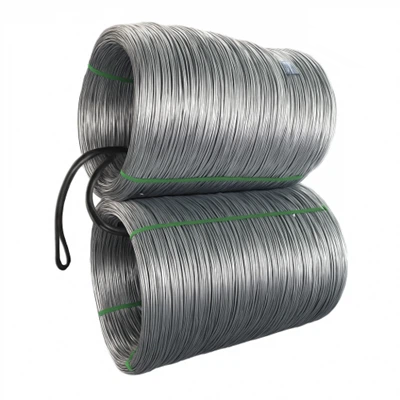
As a supplier of 304 stainless steel wire, I often encounter various questions from customers. One of the most frequently asked questions is, "Can 304 stainless steel wire be galvanized?" In this blog post, I will delve into this topic, providing a detailed and scientific analysis to help you understand the feasibility and implications of galvanizing 304 stainless steel wire.
Understanding 304 Stainless Steel Wire
Before we discuss the possibility of galvanizing 304 stainless steel wire, it's essential to understand what 304 stainless steel is. 304 stainless steel is a widely used austenitic stainless steel, known for its excellent corrosion resistance, high strength, and good formability. It contains approximately 18% chromium and 8% nickel, which form a passive oxide layer on the surface of the steel. This layer protects the steel from corrosion and oxidation, making it suitable for a wide range of applications, including construction, automotive, and food processing.
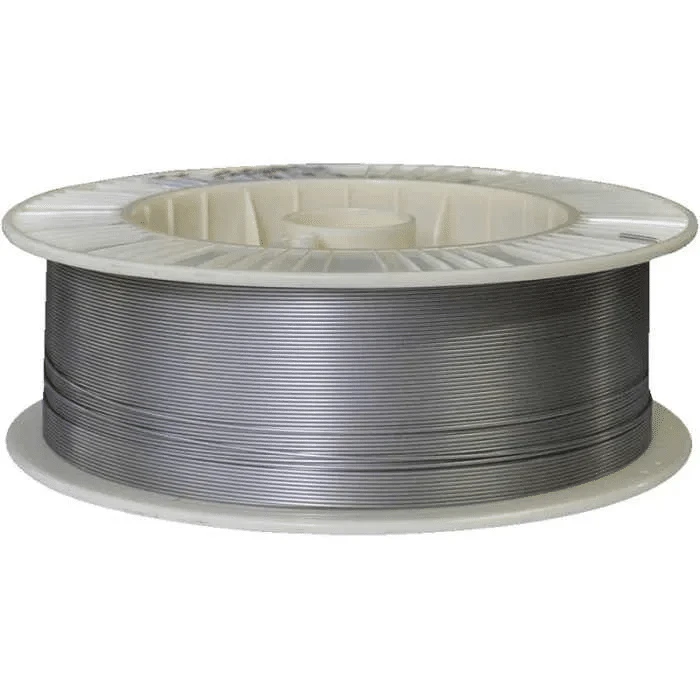
Our company offers a variety of 304 stainless steel wire products, such as 304L Annealed Stainless Steel Wire, 304H Welding Wire, and 347H Stainless Wire. These products are made from high-quality 304 stainless steel and are available in different diameters and lengths to meet the diverse needs of our customers.

The Galvanizing Process
Galvanizing is a process of applying a protective zinc coating to steel or iron to prevent rusting. There are two main methods of galvanizing: hot-dip galvanizing and electro-galvanizing.
- Hot-dip Galvanizing: In this process, the steel or iron is immersed in a bath of molten zinc at a temperature of around 450°C. The zinc reacts with the steel to form a series of zinc-iron alloy layers, which provide excellent corrosion protection.
- Electro-galvanizing: This method involves depositing a thin layer of zinc onto the steel surface using an electric current. The zinc coating is typically thinner than that produced by hot-dip galvanizing, but it can still provide good corrosion resistance.
Can 304 Stainless Steel Wire Be Galvanized?
The short answer is yes, 304 stainless steel wire can be galvanized. However, there are several factors to consider before deciding to galvanize 304 stainless steel wire.
Advantages of Galvanizing 304 Stainless Steel Wire
- Enhanced Corrosion Resistance: While 304 stainless steel already has good corrosion resistance, galvanizing can further improve its resistance to corrosion, especially in harsh environments. The zinc coating acts as a sacrificial anode, protecting the stainless steel from rusting.
- Cost-Effective: Galvanizing is a relatively cost-effective way to protect steel from corrosion. Compared to other corrosion protection methods, such as painting or powder coating, galvanizing can provide long-term protection at a lower cost.
- Aesthetic Appeal: Galvanized steel has a distinctive silver-gray appearance that can enhance the aesthetic appeal of the wire. This can be particularly useful in applications where appearance is important, such as architectural or decorative applications.
Disadvantages of Galvanizing 304 Stainless Steel Wire
- Compatibility Issues: The zinc coating may not be compatible with the passive oxide layer on the surface of 304 stainless steel. This can lead to adhesion problems between the zinc coating and the stainless steel, resulting in poor corrosion protection.
- Reduced Ductility: Galvanizing can reduce the ductility of 304 stainless steel wire, making it more brittle and prone to cracking. This can be a problem in applications where the wire needs to be bent or formed.
- High Temperature Effects: The high temperatures involved in the hot-dip galvanizing process can cause the stainless steel to lose its corrosion resistance. This is because the high temperature can break down the passive oxide layer on the surface of the stainless steel, exposing it to corrosion.
Considerations for Galvanizing 304 Stainless Steel Wire
If you decide to galvanize 304 stainless steel wire, there are several considerations to keep in mind:
- Surface Preparation: Proper surface preparation is crucial for ensuring good adhesion between the zinc coating and the stainless steel. The surface of the wire should be clean and free of dirt, oil, and other contaminants.
- Galvanizing Method: The choice of galvanizing method depends on the specific requirements of the application. Hot-dip galvanizing is generally recommended for applications where long-term corrosion protection is required, while electro-galvanizing may be more suitable for applications where a thinner coating is acceptable.
- Quality Control: It's important to ensure that the galvanizing process is carried out by a reputable galvanizer who has experience working with stainless steel. Quality control measures should be in place to ensure that the zinc coating meets the required standards.
Applications of Galvanized 304 Stainless Steel Wire
Galvanized 304 stainless steel wire can be used in a variety of applications, including:
- Fencing and Mesh: Galvanized 304 stainless steel wire is commonly used in fencing and mesh applications, where it provides excellent corrosion resistance and strength.
- Construction: In the construction industry, galvanized 304 stainless steel wire can be used for reinforcement, cable support, and other structural applications.
- Marine and Coastal Applications: Due to its enhanced corrosion resistance, galvanized 304 stainless steel wire is suitable for use in marine and coastal environments, where it is exposed to saltwater and other corrosive substances.
Conclusion
In conclusion, 304 stainless steel wire can be galvanized, but it's important to carefully consider the advantages and disadvantages before making a decision. Galvanizing can provide enhanced corrosion resistance and aesthetic appeal, but it may also cause compatibility issues and reduce the ductility of the wire. If you have any questions or need further information about galvanizing 304 stainless steel wire, please feel free to contact us. We are a leading supplier of 304 stainless steel wire and can provide you with high-quality products and professional advice.
If you are interested in purchasing 304 stainless steel wire or have any other procurement needs, please don't hesitate to get in touch with us for detailed discussions. We look forward to serving you and meeting your requirements.
References
- ASM Handbook Volume 13A: Corrosion: Fundamentals, Testing, and Protection.
- ASTM A123/A123M - Standard Specification for Zinc (Hot-Dip Galvanized) Coatings on Iron and Steel Products.
- Stainless Steel World Magazine. Various articles on stainless steel properties and corrosion protection.