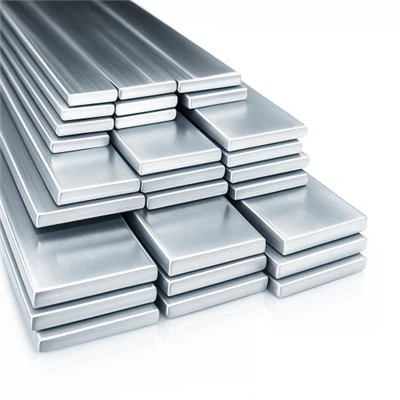
Hey there! As a supplier of steel solid angle bars, I often get asked if there are any quality standards for these products. Well, the short answer is yes, there are. But let's dive a bit deeper into this topic.
First off, steel solid angle bars come in various types and grades, each with its own set of quality requirements. For instance, the L Type Angle Bar is quite popular. It has specific dimensional and material quality standards. The dimensions of the L type angle bar need to be precise. The length, width, and thickness should be within a certain tolerance range. This is crucial because these bars are often used in construction and engineering projects where accurate measurements are a must. If the dimensions are off, it can lead to structural issues later on.
When it comes to the material, the steel should meet specific chemical and mechanical properties. For example, the carbon content in the steel can affect its strength and ductility. A higher carbon content generally means higher strength but lower ductility. So, manufacturers need to strike the right balance based on the intended use of the angle bar.
Another common type is the Stainless Steel 304 Angle Bar. Stainless steel 304 is known for its corrosion resistance, which makes it ideal for applications in harsh environments, like marine or chemical industries. The quality standards for this type of angle bar are even more stringent. The steel needs to have a proper composition of elements like chromium and nickel, which are responsible for its corrosion - resistant properties.
The surface finish of the stainless steel 304 angle bar is also important. It should be smooth and free from any defects like scratches, pits, or rust spots. A poor surface finish can not only affect the appearance but also the corrosion resistance of the bar. If there are scratches on the surface, it can create areas where corrosion can start more easily.
Now, let's talk about the Welding Angle Bar. Welding angle bars are used in applications where welding is required to join different parts. For these bars, the weldability is a key quality factor. The steel should be able to form a strong and reliable weld without cracking or developing other defects.


The mechanical properties of the welding angle bar also play a role. After welding, the joint should have sufficient strength to withstand the loads and stresses it will be subjected to. This means that the base metal and the weld metal should have compatible properties.
In addition to these specific types, there are also general industry - wide quality standards. These standards are set by organizations like the American Society for Testing and Materials (ASTM). ASTM has a series of specifications for steel products, including angle bars. These specifications cover aspects such as chemical composition, mechanical properties, dimensions, and testing methods.
For example, ASTM A36 is a common specification for carbon steel angle bars. It defines the minimum yield strength, ultimate tensile strength, and elongation requirements for the steel. Manufacturers need to test their products against these requirements to ensure compliance.
Testing is a crucial part of ensuring the quality of steel solid angle bars. There are several types of tests that can be performed. Chemical analysis is used to determine the exact composition of the steel. This can be done using methods like spectroscopy. Mechanical tests, such as tensile tests and hardness tests, are used to evaluate the strength and hardness of the bar.
Dimensional inspection is also important. This involves measuring the length, width, thickness, and angles of the angle bar to ensure they are within the specified tolerances. Non - destructive testing methods, like ultrasonic testing or magnetic particle testing, can be used to detect internal defects in the bar without damaging it.
As a supplier, we take these quality standards very seriously. We work closely with our manufacturers to ensure that all our steel solid angle bars meet or exceed the relevant standards. We have a quality control team that inspects every batch of products before they are shipped to our customers.
We also understand that different customers may have different requirements. Some may need angle bars for light - duty applications, while others may require them for heavy - duty construction projects. That's why we offer a wide range of options in terms of size, grade, and finish.
If you're in the market for steel solid angle bars, you can rest assured that when you choose us, you're getting a product that meets high - quality standards. Whether you need an L type angle bar for a simple DIY project or a stainless steel 304 angle bar for a corrosive environment, we've got you covered.
We're always here to help you find the right product for your needs. If you have any questions about our products, the quality standards, or how to choose the right angle bar for your application, don't hesitate to reach out. We can provide you with detailed information and advice to make your purchasing decision easier.
So, if you're looking for top - quality steel solid angle bars, consider working with us. We're committed to providing excellent products and service to our customers. Let's start a conversation and see how we can meet your steel angle bar needs.
References:
- American Society for Testing and Materials (ASTM) standards for steel products
- Industry literature on steel manufacturing and quality control