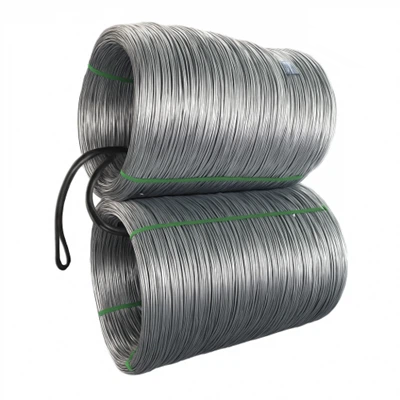
When it comes to the construction and manufacturing industries, steel solid angle bars are a ubiquitous and essential component. As a supplier of steel solid angle bars, I've had numerous discussions with clients about the product's performance, durability, and cost - effectiveness. However, in recent years, an increasing number of customers have started to inquire about the environmental considerations associated with using these bars. In this blog, I'll delve into the various environmental aspects that one should take into account when using steel solid angle bars.
Raw Material Sourcing
The environmental impact of steel solid angle bars begins right at the source: the raw materials. Steel is primarily made from iron ore, coal, and limestone. The extraction of these raw materials can have significant environmental consequences. Mining operations for iron ore often lead to deforestation, soil erosion, and water pollution. The large - scale removal of topsoil and vegetation disrupts ecosystems, leading to the loss of habitats for many plant and animal species.


Moreover, coal, which is used in the steel - making process as a fuel and a reducing agent, is a major contributor to greenhouse gas emissions. The burning of coal releases large amounts of carbon dioxide, sulfur dioxide, and particulate matter into the atmosphere. These emissions are linked to global warming, acid rain, and respiratory diseases.
As a responsible supplier, we strive to source our raw materials from mines that adhere to strict environmental regulations. We work with suppliers who implement sustainable mining practices, such as reforestation programs after mining operations, water treatment facilities to reduce pollution, and measures to minimize soil erosion. By doing so, we can help reduce the overall environmental footprint of our steel solid angle bars.
Manufacturing Process
The manufacturing of steel solid angle bars involves several energy - intensive processes. The basic oxygen furnace (BOF) and the electric arc furnace (EAF) are the two main methods used to produce steel. The BOF process, which uses molten iron from a blast furnace, is highly energy - consuming and emits a large amount of carbon dioxide. On the other hand, the EAF process, which uses scrap steel as the primary raw material, is more energy - efficient and has a lower carbon footprint.
In our manufacturing facilities, we have gradually shifted towards using the EAF process to produce our steel solid angle bars. This not only reduces our energy consumption but also helps in recycling scrap steel, which is a valuable resource. Recycling scrap steel requires less energy compared to producing steel from virgin materials. It also reduces the demand for new iron ore mining, thereby conserving natural resources.
However, the EAF process also has its own environmental challenges. The melting of scrap steel in an electric arc furnace can release pollutants such as heavy metals and dioxins if not properly controlled. To address this issue, we have installed advanced air pollution control systems in our facilities. These systems capture and treat the emissions, ensuring that the pollutants are removed before they are released into the atmosphere.
Product Durability and Longevity
One of the significant environmental benefits of steel solid angle bars is their durability and longevity. Steel is a strong and robust material that can withstand harsh environmental conditions, heavy loads, and corrosion. This means that structures and products made from steel solid angle bars have a longer service life compared to those made from other materials.
For example, in construction projects, steel solid angle bars are used in the frames of buildings, bridges, and industrial structures. These structures can last for decades or even centuries with proper maintenance. By using durable materials like steel solid angle bars, we can reduce the need for frequent replacements, which in turn reduces the consumption of raw materials and energy associated with manufacturing new products.
In addition, the recyclability of steel further enhances its environmental credentials. At the end of their service life, steel solid angle bars can be easily recycled and used to produce new steel products. This closed - loop recycling system helps in conserving natural resources and reducing waste.
Transportation
The transportation of steel solid angle bars from the manufacturing facility to the end - user also has an environmental impact. Trucks, trains, and ships are the main modes of transportation for steel products. The burning of fossil fuels in these vehicles releases carbon dioxide and other pollutants into the atmosphere.
To minimize the environmental impact of transportation, we have optimized our logistics operations. We try to locate our manufacturing facilities close to our major markets to reduce the distance that the products need to be transported. We also use a combination of transportation modes, such as rail and truck, to take advantage of the energy - efficiency of each mode. For example, rail transport is generally more energy - efficient than truck transport for long - distance hauls.
Product Applications and End - of - Life Management
Steel solid angle bars have a wide range of applications in various industries, including construction, manufacturing, and automotive. In the construction industry, they are used in structural frames, roofing, and fencing. In the manufacturing industry, they are used in the production of machinery, equipment, and furniture. In the automotive industry, they are used in the frames and chassis of vehicles.
When considering the environmental impact of these applications, it's important to look at the end - of - life management of the products. As mentioned earlier, steel is highly recyclable. At the end of the service life of a building, machine, or vehicle, the steel solid angle bars can be recovered and recycled. This reduces the amount of waste sent to landfills and conserves natural resources.
However, proper end - of - life management requires a well - established recycling infrastructure. In some regions, the lack of recycling facilities or the high cost of recycling can be a barrier to effective steel recycling. As a supplier, we are actively involved in promoting steel recycling initiatives in the regions where we operate. We work with local governments, recycling companies, and other stakeholders to improve the recycling infrastructure and raise awareness about the importance of steel recycling.
Conclusion
In conclusion, there are several environmental considerations when using steel solid angle bars. From raw material sourcing to manufacturing, transportation, product application, and end - of - life management, every stage of the product's life cycle has an impact on the environment. As a supplier of L Type Angle Bar, Welding Angle Bar, and Standard Angle Bar, we are committed to minimizing the environmental footprint of our products.
We believe that by implementing sustainable practices in our operations, we can not only meet the growing demand for environmentally friendly products but also contribute to a more sustainable future. If you are interested in learning more about our steel solid angle bars or have any questions regarding their environmental impact, we encourage you to contact us for a purchase negotiation. We are always ready to provide you with high - quality products and professional advice.
References
- World Steel Association. "The Steel Industry and the Environment."
- International Iron and Steel Institute. "Sustainable Development in the Steel Industry."
- U.S. Environmental Protection Agency. "Steel Manufacturing Industry Profile."