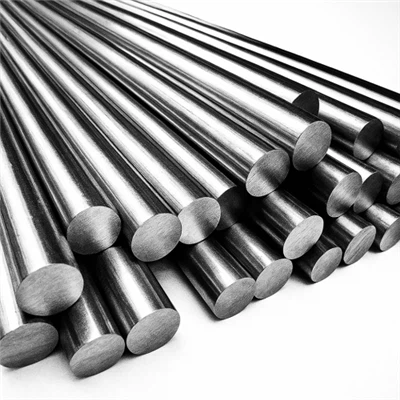
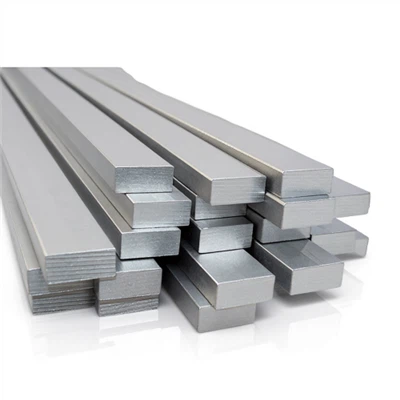
In today's manufacturing industry, stainless steel round bars are widely used in various industries as an important basic material. However, different types of stainless steel round bars have significant differences in composition, performance and use.
First of all, from the perspective of chemical composition, the most common stainless steel round bars are 304 and 316 models. 304 stainless steel round bars contain 18% chromium and 8% nickel. This combination of ingredients gives it good corrosion resistance and processing performance, suitable for most indoor environments and general industrial uses. 316 stainless steel round bars add 2% to 3% molybdenum to 304, which greatly improves its corrosion resistance in harsh environments such as the ocean and chemical industry.
In terms of mechanical properties, different types of stainless steel round bars also have their own advantages. 304 stainless steel round bars are easy to process into various complex shapes due to their excellent toughness and ductility, and are widely used in the manufacture of pipelines, food processing equipment, etc. 316 stainless steel round bars, due to their high strength and hardness, perform well in situations where they need to withstand greater stress and wear, such as ship parts and chemical equipment.
In addition, price is also an important factor to consider when choosing stainless steel round bars. Generally, due to the addition of molybdenum, the cost of 316 stainless steel round bars is higher than that of 304 stainless steel round bars. Therefore, under limited budget, 304 stainless steel round bars are often a more economical choice.
After understanding these differences, users can choose the most suitable stainless steel round bars according to the specific use environment and needs. The right choice can not only ensure the quality and life of the product, but also help enterprises reduce costs and improve production efficiency.