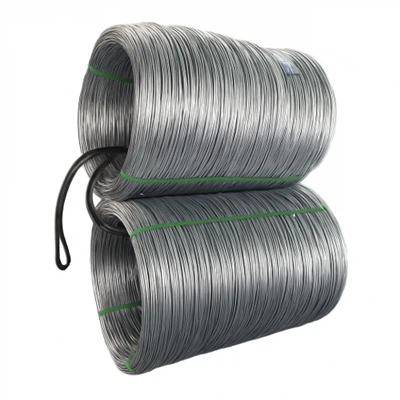
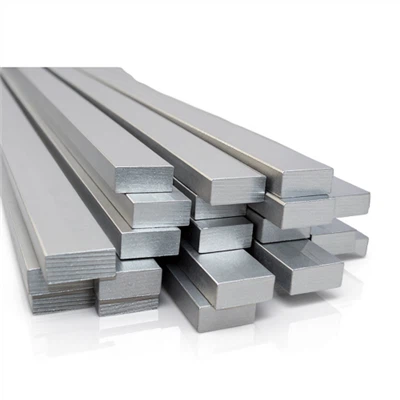
When purchasing Stainless Steel Wire, quality is key. Poor-quality wire can cause project delays, increased costs, and potential safety risks. To avoid these issues, it's essential to understand the common quality problems that can occur with Stainless Steel Wire and how to prevent them. Let's take a look at some of the most frequent issues and practical tips on how to avoid them.

Inconsistent Diameter or Tolerance Issues
One of the most common problems with Stainless Steel Wire is inconsistent diameter. If the wire diameter isn't uniform, it can lead to issues with fitting, strength, and performance, especially in applications like springs, cables, or fasteners. Inconsistent sizing can result in poor quality products or even failure during use.
How to Avoid It:
Make sure you're working with a supplier who offers precise specifications and quality control measures. Request tolerance certificates to ensure the wire meets your required standards. Reputable manufacturers will have machines calibrated for accuracy, reducing the risk of diameter issues.
Surface Defects
Surface imperfections such as scratches, rust spots, or blemishes can be a major concern. While these issues might seem minor, they can affect the durability and corrosion resistance of the wire. Rust or pitting on Stainless Steel Wire can weaken the wire, especially in harsh environments like marine or chemical industries.
How to Avoid It:
Choose suppliers who implement thorough cleaning and surface treatment processes, like passivation, to prevent rusting. Inspect the wire before shipment to ensure it's free from visible defects. High-quality Stainless Steel Wire should have a smooth, clean surface with no blemishes.
Incorrect Material Composition
Not all Stainless Steel Wire is created equal. Some suppliers might use substandard materials or incorrect alloys, which can result in poor corrosion resistance and reduced strength, especially in critical applications like medical devices or high-stress environments.
How to Avoid It:
Always verify the material grade before placing an order. The most common grades for Stainless Steel Wire are 304 and 316, known for their corrosion resistance and strength. Ask for mill test reports to confirm the alloy's composition and ensure it meets your industry standards.
Poor Coating or Plating Quality
If you're purchasing coated or plated Stainless Steel Wire, poor coating quality can be a significant issue. Coating defects, such as uneven thickness or poor adhesion, can cause the coating to peel off, leaving the wire exposed to corrosion or wear.
How to Avoid It:
For coated wire, ensure the supplier uses proper coating techniques like electroplating or galvanizing. Request information about the coating thickness and adhesion tests to ensure it meets your needs. It's also a good idea to run an adhesion test to confirm the coating is durable and well-applied.
Inconsistent Mechanical Properties
Mechanical properties like tensile strength, yield strength, and elongation are crucial for Stainless Steel Wire, particularly for industrial uses. If the wire's mechanical properties aren't consistent, it could lead to performance issues, product failures, or even safety hazards.
How to Avoid It:
Request mechanical property testing reports to ensure the wire meets your specifications for strength and elasticity. Consistency in these properties is crucial, especially for applications where the wire will undergo stress or load.
Improper Packaging and Handling
Poor packaging and handling during shipment can lead to serious quality issues, such as tangling, scratching, or contamination. If the wire isn't packaged correctly, it could arrive damaged, requiring you to reorder and causing delays in your production timeline.
How to Avoid It:
Ensure that your supplier uses proper packaging techniques like coiling or spooling, which protect the wire during transit. Also, make sure the packaging material is moisture-resistant to avoid contamination. Verify that the wire is handled properly throughout the shipping process to prevent any damage.
When purchasing Stainless Steel Wire, it's important to be aware of the common quality issues that can arise. By working with reliable suppliers, verifying material specifications, and paying attention to details like packaging and mechanical testing, you can avoid the headaches of receiving subpar wire. With the right precautions, you can ensure that the Stainless Steel Wire you purchase meets your needs and helps keep your production processes running smoothly.