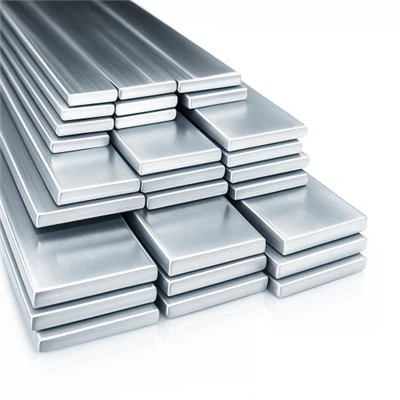
Hey there! As a supplier of Standard Angle Bars, I often get asked about the tolerance range for the dimensions of these bars. It's a crucial topic, especially for those in construction, manufacturing, and various other industries that rely on these versatile metal components. So, let's dive right in and explore what the tolerance range for a standard angle bar is all about.
First off, what exactly is a standard angle bar? Well, it's a type of structural steel or stainless - steel product that has an L - shaped cross - section. These bars are used in a wide range of applications, from building frames and supports to decorative elements. You can check out our L Type Angle Bar and Stainless Steel 304 Angle Bar for some great examples. And of course, our Standard Angle Bar is a popular choice for many projects.
The tolerance range for the dimensions of a standard angle bar refers to the acceptable amount of variation from the specified dimensions. Different standards and industries have different requirements for these tolerances, and it's important to understand these if you want to ensure that your project goes smoothly.
Thickness Tolerance
Let's start with the thickness of the angle bar. The thickness tolerance can vary depending on the manufacturing process and the specific standards being followed. In general, for most standard angle bars, the thickness tolerance is around ±0.1mm to ±0.3mm for thinner bars (less than 3mm thick). For thicker bars (3mm and above), the tolerance can be a bit wider, usually in the range of ±0.2mm to ±0.5mm.
Why does this matter? Well, in applications where the angle bar needs to fit precisely, like in a pre - fabricated structure, even a small deviation in thickness can cause problems. For example, if you're using angle bars to build a rack system, an incorrect thickness could lead to instability or a poor fit between the different components.
Leg Length Tolerance
The leg length of an angle bar is another important dimension. Leg length tolerance also depends on the size of the bar. For smaller angle bars (with leg lengths of less than 50mm), the tolerance is typically around ±0.5mm. As the leg length increases, the tolerance can go up to ±1mm or even more in some cases.
Imagine you're constructing a staircase railing using angle bars. If the leg lengths are not within the tolerance range, the railing might not look right or might not be safe. So, getting the leg length within the correct tolerance is crucial for both the aesthetic and safety aspects of the project.
Angle Tolerance
The angle at the corner of an L - shaped angle bar also has a tolerance. The standard angle for an angle bar is 90 degrees. However, due to manufacturing processes, there can be some deviation. The acceptable angle tolerance is usually within ±1 degree. This might seem like a small amount, but in applications where precision is key, like in high - end machinery or architectural designs, even a slight deviation from 90 degrees can cause issues.
Flatness and Straightness Tolerance
Flatness and straightness are also important dimensions for angle bars. The flatness tolerance refers to how flat the surfaces of the bar are, while the straightness tolerance pertains to how straight the bar is. For flatness, the tolerance can be around ±0.5mm over a length of 1000mm. And for straightness, it's usually within ±1mm per meter of the bar's length.
In some construction projects, if an angle bar isn't straight or flat enough, it can cause problems when it's being installed. For example, if you're using an angle bar to support a large panel, a non - flat or non - straight bar might lead to the panel not being properly aligned, which could lead to leaks or structural issues over time.
Material - Specific Tolerances
The type of material also affects the tolerance range. For instance, stainless steel angle bars, like our Stainless Steel 304 Angle Bar, might have different tolerances compared to carbon steel bars. Stainless steel is generally more difficult to work with due to its properties, so the tolerances might be slightly wider in some cases.
Manufacturers also play a big role in determining the actual tolerance. A high - quality manufacturer will have better control over the manufacturing process, resulting in more precise dimensions and tighter tolerances. At our company, we pride ourselves on using state - of - the - art manufacturing techniques to ensure that our angle bars meet or exceed the industry standards for tolerances.
How to Choose the Right Angle Bar with the Right Tolerance
When you're choosing an angle bar for your project, it's important to consider the tolerance requirements. First, understand the specific needs of your project. If it's a precision project, you'll need to look for angle bars with tighter tolerances. On the other hand, if the project isn't as sensitive to small dimensional variations, you can go for bars with wider tolerances, which might be more cost - effective.


It's also a good idea to work with a reliable supplier, like us. We have a team of experts who can help you choose the right angle bar based on your project requirements. We can provide detailed information about the tolerances of our products and even offer custom - made angle bars if your project has very specific needs.
Conclusion
So, there you have it! The tolerance range for the dimensions of a standard angle bar is an important factor that can greatly impact the success of your project. Whether it's the thickness, leg length, angle, flatness, or straightness, each dimension has its own acceptable range of variation. By understanding these tolerances and working with a trusted supplier, you can ensure that you get the right angle bars for your project.
If you're in the market for standard angle bars for your next project, don't hesitate to reach out to us. We're here to help you find the perfect solution at a great price. Let's start a great working relationship and get your project on track!
References
- Handbook of Structural Steelwork
- ASTM Standards on Steel Structural Shapes