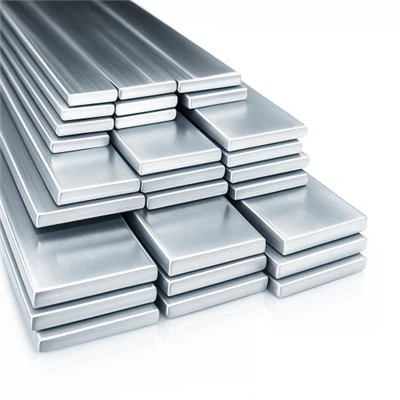
Bending 420 stainless steel wire without cracking is a challenging yet achievable task, especially when you understand the material's properties and the right techniques. As a trusted supplier of 420 Stainless Steel Wire, I've witnessed firsthand the importance of getting this process right. In this blog, I'll share some practical tips and considerations to help you bend 420 stainless steel wire successfully without compromising its integrity.
Understanding 420 Stainless Steel Wire
420 stainless steel is a martensitic stainless steel known for its high hardness, good corrosion resistance, and excellent wear resistance. It contains approximately 12% chromium, which provides the corrosion - resistant properties, and can be heat - treated to achieve different levels of hardness. However, this high hardness also makes it less ductile compared to some other stainless steel grades, such as 302 Stainless Steel Spring Wire and 304 Stainless Steel Spring Wire. When bending 420 stainless steel wire, this reduced ductility can lead to cracking if not handled properly.
Pre - Bending Preparation
Material Inspection
Before you start bending, it's crucial to inspect the 420 stainless steel wire for any surface defects. Cracks, scratches, or other imperfections can act as stress concentrators during the bending process, increasing the likelihood of cracking. Check the wire for uniform diameter and smoothness. Any irregularities in the wire's surface can cause uneven stress distribution, leading to failure.
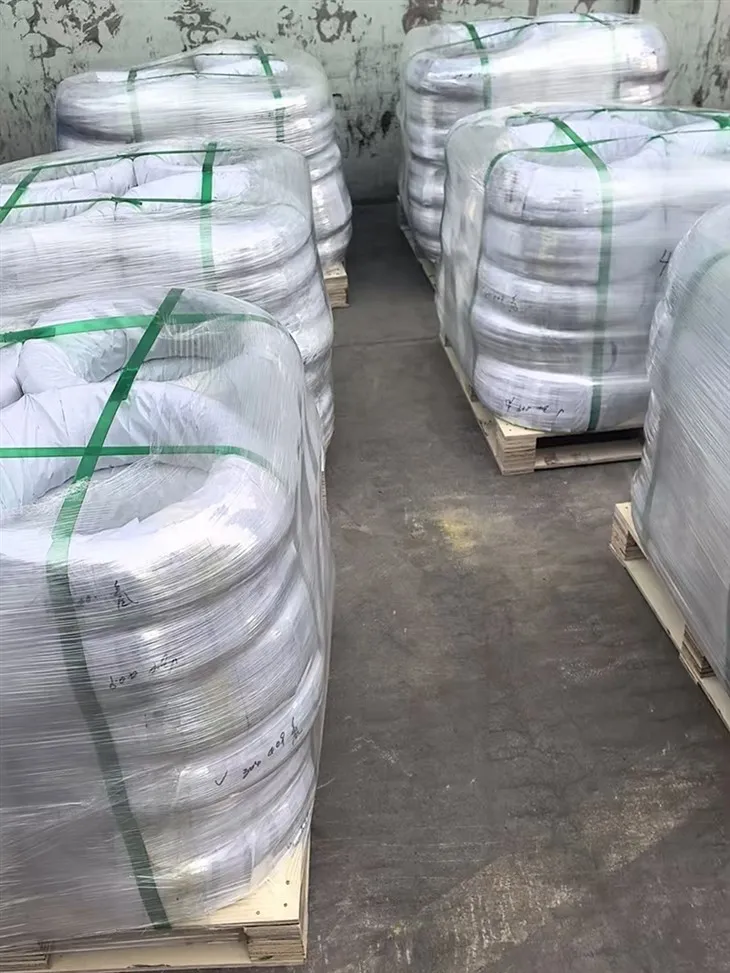

Annealing
Annealing is a heat - treatment process that can improve the ductility of 420 stainless steel wire. By heating the wire to a specific temperature and then slowly cooling it, you can relieve internal stresses and make the wire more malleable. The annealing temperature for 420 stainless steel typically ranges from 760 - 815°C (1400 - 1500°F). After heating, the wire should be cooled in the furnace at a controlled rate to avoid re - hardening. However, it's important to note that annealing may reduce the wire's hardness and strength, so this process should be carefully considered based on your specific application requirements.
Bending Techniques
Cold Bending
Cold bending is a common method for shaping 420 stainless steel wire. It involves bending the wire at room temperature using tools such as pliers, bending jigs, or a wire - bending machine. When cold bending, it's essential to use the right tool for the job. For small - diameter wires, a simple pair of pliers may be sufficient. However, for larger - diameter wires or more precise bends, a dedicated wire - bending machine is recommended.
When using a bending tool, make sure the tool's radius is appropriate for the wire diameter. A too - sharp bend radius can cause the outer surface of the wire to stretch beyond its limit, resulting in cracking. As a general rule, the minimum bend radius for 420 stainless steel wire should be at least three times the wire diameter.
Hot Bending
Hot bending can be a more effective method for bending 420 stainless steel wire without cracking. By heating the wire to a specific temperature, the material becomes more ductile, allowing for easier bending. The recommended hot - bending temperature for 420 stainless steel is around 870 - 1040°C (1600 - 1900°F).
When hot bending, it's important to use proper safety equipment, such as heat - resistant gloves and goggles. The heated wire should be bent quickly and accurately to avoid over - heating or uneven cooling, which can lead to cracking. After bending, the wire should be cooled slowly to prevent the formation of internal stresses.
Post - Bending Considerations
Stress Relief
After bending, the 420 stainless steel wire may have internal stresses that can lead to cracking over time. Stress relief heat treatment can be performed to reduce these stresses. This involves heating the bent wire to a temperature below the annealing temperature (usually around 600 - 650°C or 1112 - 1202°F) and holding it for a specific period, followed by slow cooling.
Surface Finishing
The surface of the bent wire may have been damaged during the bending process. Surface finishing, such as grinding or polishing, can be used to remove any rough edges or scratches. This not only improves the appearance of the wire but also reduces the risk of corrosion and stress concentration.
Choosing the Right Wire for Your Application
While 420 stainless steel wire is suitable for many applications, there are other stainless steel wire grades that may be more appropriate depending on your specific needs. For example, 403 Stainless Steel Spring Wire offers good strength and corrosion resistance, and it may be a better choice for applications where high spring performance is required. 302 Stainless Steel Spring Wire and 304 Stainless Steel Spring Wire are known for their excellent ductility and corrosion resistance, making them ideal for applications where complex bends are required.
As a supplier of 420 Stainless Steel Wire, I can provide you with high - quality wire that meets your specific requirements. Whether you need a small quantity for a prototype or a large order for mass production, I'm here to assist you. If you're interested in learning more about our products or have any questions about bending 420 stainless steel wire, feel free to reach out. We can discuss your project in detail and provide you with the best solutions.
Conclusion
Bending 420 stainless steel wire without cracking requires a combination of proper preparation, the right bending techniques, and post - bending considerations. By understanding the material's properties and following the tips outlined in this blog, you can achieve successful bends and ensure the quality of your final product. If you're in the market for high - quality 420 Stainless Steel Wire, don't hesitate to contact me. I'm committed to providing you with the best products and support to meet your needs.
References
- ASM Handbook, Volume 1: Properties and Selection: Irons, Steels, and High - Performance Alloys
- Stainless Steel World magazine articles on stainless steel processing and applications.