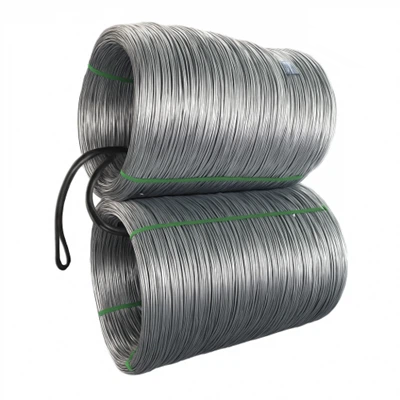
Hey there! As a supplier of 304 stainless steel wire, I often get asked about its stress - corrosion cracking resistance. So, I thought I'd sit down and write this blog to share some insights on this topic.
First off, let's understand what stress - corrosion cracking (SCC) is. SCC is a type of corrosion that happens when a material is exposed to a corrosive environment while under tensile stress. It's a real pain in the neck because it can cause sudden and unexpected failures in structures. And when it comes to 304 stainless steel wire, understanding its resistance to SCC is crucial, especially in applications where it's used in harsh environments.
304 stainless steel is a popular choice in many industries. It's known for its good corrosion resistance, formability, and weldability. But when it comes to SCC, its performance can vary depending on a few factors.
One of the key factors is the environment. 304 stainless steel wire can be susceptible to SCC in environments that contain chlorides. Chlorides are found in many places, like seawater, de - icing salts, and some industrial chemicals. When the wire is exposed to these chloride - rich environments, the chloride ions can break down the passive oxide layer on the surface of the steel. This passive layer is what protects the steel from corrosion under normal circumstances. Once the layer is damaged, the steel becomes more vulnerable to SCC.


Another factor is the stress level. The higher the tensile stress on the 304 stainless steel wire, the more likely it is to experience SCC. Stress can come from various sources, such as mechanical loading during installation or operation, thermal expansion and contraction, or residual stress from manufacturing processes like cold working. Cold working, which is often used to increase the strength of the wire, can introduce high residual stresses. These stresses can act as a driving force for SCC, especially when combined with a corrosive environment.
The temperature also plays a role. Generally, SCC is more likely to occur at elevated temperatures. At higher temperatures, the chemical reactions that lead to corrosion happen more quickly, and the diffusion of corrosive species into the steel is faster. So, if 304 stainless steel wire is used in high - temperature applications in a corrosive environment, the risk of SCC increases.
Now, let's talk about how we can improve the stress - corrosion cracking resistance of 304 stainless steel wire. One way is to use a different grade of stainless steel. For example, 304L Stainless Steel Wire has a lower carbon content than regular 304. The lower carbon content reduces the risk of carbide precipitation at the grain boundaries, which can make the steel more susceptible to SCC. Another option is 304N Stainless Steel Wire. The addition of nitrogen in this grade improves its strength and corrosion resistance, including resistance to SCC.
We can also take steps during the manufacturing process. For instance, proper heat treatment can relieve residual stresses in the wire. Annealing is a common heat - treatment process that can reduce internal stresses and improve the overall ductility of the wire, making it less prone to SCC.
Surface treatments can also be effective. Applying a protective coating to the wire can act as a barrier between the steel and the corrosive environment. Coatings like epoxy or zinc can prevent chloride ions from reaching the surface of the steel, thus reducing the risk of SCC.
In some cases, design changes can help. For example, reducing the stress concentration points in the structure where the wire is used. Sharp corners and notches can cause stress to concentrate, increasing the likelihood of SCC. By using smooth, rounded shapes in the design, we can distribute the stress more evenly and lower the risk.
When it comes to applications, it's important to choose the right grade of 304 stainless steel wire based on the specific environment and stress conditions. If the wire is going to be used in a chloride - rich environment, like a coastal area or a chemical plant, it might be wise to consider using a more corrosion - resistant grade, such as 317L Stainless Steel Welding Wire. This grade has a higher molybdenum content, which significantly improves its resistance to chloride - induced SCC.
As a supplier, I always try to provide the best advice to my customers. If you're in the market for 304 stainless steel wire and have concerns about stress - corrosion cracking, I'm here to help. I can assist you in choosing the right grade, recommend appropriate manufacturing processes, and suggest any necessary surface treatments.
In conclusion, the stress - corrosion cracking resistance of 304 stainless steel wire is a complex issue that depends on multiple factors. By understanding these factors and taking appropriate measures, we can minimize the risk of SCC and ensure the long - term performance of the wire in various applications.
If you're interested in purchasing 304 stainless steel wire or have any questions about its stress - corrosion cracking resistance, feel free to reach out. We can have a detailed discussion about your specific needs and find the best solution for you.
References
- "Corrosion of Stainless Steels" by R. Baboian
- "Stainless Steel Handbook" by ASM International