Straightness tolerance is a critical aspect when it comes to the quality and functionality of 316 round bars. As a reliable supplier of 316 round bars, understanding and ensuring the appropriate straightness tolerance is of utmost importance. In this blog post, we will delve into what straightness tolerance is for a 316 round bar, why it matters, and how we, as suppliers, manage and control it.
What is Straightness Tolerance?
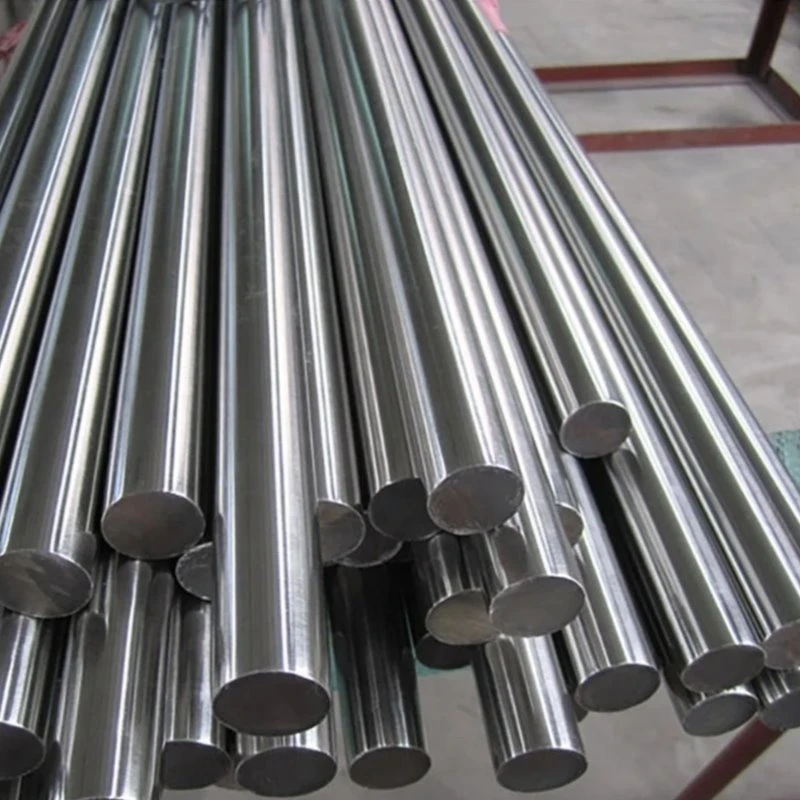
Straightness tolerance refers to the allowable deviation from a perfectly straight line along the length of a 316 round bar. In other words, it defines the maximum amount by which the bar can deviate from being completely straight and still be considered acceptable for its intended use. This tolerance is typically specified in terms of a linear measurement, such as millimeters or inches, over a given length of the bar.
For example, a straightness tolerance of ±0.5 mm per meter means that for every meter of the 316 round bar's length, the bar can deviate from a straight line by a maximum of 0.5 mm in either direction. This deviation can occur in any plane along the length of the bar, and it is crucial to measure and control it to ensure the bar meets the required standards.
Why Does Straightness Tolerance Matter?
The straightness of a 316 round bar is essential for several reasons, especially in industrial applications. Here are some key factors highlighting the importance of straightness tolerance:
1. Fit and Assembly
In many manufacturing processes, 316 round bars are used as components that need to fit precisely into other parts or assemblies. If the bar is not straight within the specified tolerance, it can cause problems during assembly. For instance, it may not slide smoothly into a bore or align correctly with other components, leading to misalignment, increased wear, and potential failure of the entire assembly.
2. Machining Operations
When a 316 round bar is used in machining operations such as turning, milling, or drilling, straightness is crucial. A bar with excessive deviation from straightness can cause uneven cutting forces, resulting in poor surface finish, inaccurate dimensions, and increased tool wear. This can lead to higher production costs and lower-quality finished products.
3. Structural Integrity
In structural applications, the straightness of the 316 round bar is directly related to its load-bearing capacity. A bent or non - straight bar may not distribute loads evenly, which can lead to stress concentrations and potentially compromise the structural integrity of the entire structure. This is particularly important in applications where safety is a primary concern, such as in construction, automotive, and aerospace industries.
Factors Affecting Straightness Tolerance
Several factors can influence the straightness of a 316 round bar during its production and handling. Understanding these factors is essential for suppliers to manage and control the straightness tolerance effectively.
1. Manufacturing Process
The method used to manufacture the 316 round bar plays a significant role in its straightness. For example, in the hot rolling process, the bar is heated and passed through a series of rollers to reduce its diameter and increase its length. During this process, uneven cooling, roller misalignment, or variations in the rolling force can cause the bar to deviate from straightness.
On the other hand, cold drawing or cold rolling processes can improve the straightness of the bar by applying precise forces to reshape it. However, these processes also have their own limitations and can introduce new factors that affect straightness, such as internal stresses.

2. Material Properties
The properties of the 316 stainless steel itself can impact the straightness of the round bar. The composition of the steel, including the presence of alloying elements, can affect its ductility, hardness, and thermal expansion characteristics. For example, if the steel has a high carbon content, it may be more prone to warping during heat treatment or cooling, leading to deviations in straightness.
3. Handling and Storage
After the 316 round bar is manufactured, how it is handled and stored can also affect its straightness. Improper stacking, excessive bending during transportation, or exposure to uneven loads can cause the bar to deform. Additionally, storing the bar in a humid or corrosive environment can lead to rust and corrosion, which can weaken the bar and cause it to bend over time.
Measuring Straightness Tolerance
To ensure that the 316 round bars meet the required straightness tolerance, accurate measurement methods are necessary. There are several techniques available for measuring straightness, each with its own advantages and limitations.
1. Visual Inspection
Visual inspection is the simplest and most basic method of checking the straightness of a 316 round bar. This involves looking at the bar along its length and comparing it to a straight reference line or surface. While this method can quickly identify obvious deviations, it is subjective and may not be accurate enough to detect small deviations within the specified tolerance.
2. Straightedge and Feeler Gauge
A straightedge is a precision tool with a flat and straight surface. By placing the straightedge along the length of the 316 round bar and using a feeler gauge to measure the gap between the bar and the straightedge, the straightness can be quantified. This method is more accurate than visual inspection but is limited to measuring the deviation in a single plane.
3. Optical Measurement Systems
Optical measurement systems, such as laser scanners and coordinate measuring machines (CMMs), offer high - precision measurement of straightness. These systems use lasers or other optical sensors to capture the shape of the bar and calculate the deviation from a straight line. They can provide detailed and accurate measurements in multiple planes and are suitable for measuring bars with complex geometries.
Controlling Straightness Tolerance as a Supplier
As a 316 round bar supplier, we take several measures to ensure that our products meet the required straightness tolerance.
1. Quality Control in Manufacturing
We work closely with our manufacturing partners to implement strict quality control measures during the production process. This includes regular inspection of the manufacturing equipment, such as rollers and dies, to ensure they are properly aligned and in good condition. We also monitor the temperature, pressure, and other process parameters to minimize variations that can affect straightness.
2. Post - Manufacturing Straightening
If a 316 round bar is found to have a deviation from straightness that exceeds the specified tolerance, we use post - manufacturing straightening techniques to correct it. These techniques can include mechanical straightening using presses or rollers, or heat treatment to relieve internal stresses and reshape the bar.
3. Final Inspection
Before shipping our 316 round bars to customers, we conduct a final inspection using advanced measurement equipment to verify that the straightness meets the required standards. This ensures that only high - quality products are delivered to our customers.
Our Product Range
In addition to our focus on straightness tolerance, we offer a wide range of 316 round bars to meet the diverse needs of our customers. Our product range includes 316L Stainless Steel Round Bar, which is known for its excellent corrosion resistance and low carbon content, making it suitable for applications in harsh environments.
We also supply Bright Steel Rod, which has a smooth and shiny surface finish, and 430f Stainless Steel Round Bar, which offers good machinability and is commonly used in automotive and decorative applications.
Contact Us for Your 316 Round Bar Needs
If you are in the market for high - quality 316 round bars with precise straightness tolerance, we are here to help. Our team of experts can provide you with detailed information about our products, including specifications, pricing, and delivery options. Whether you need a small quantity for a prototype or a large volume for a production project, we can meet your requirements.
Contact us today to discuss your 316 round bar needs and start a partnership that ensures the success of your projects. We look forward to serving you and providing you with the best possible solutions.
References
- ASME Y14.5 - 2018, Dimensioning and Tolerancing Standard
- ASTM A276 - 17, Standard Specification for Stainless Steel Bars and Shapes
- ISO 1101:2017, Geometrical product specifications (GPS) — Geometrical tolerancing — Tolerances of form, orientation, location and run - out