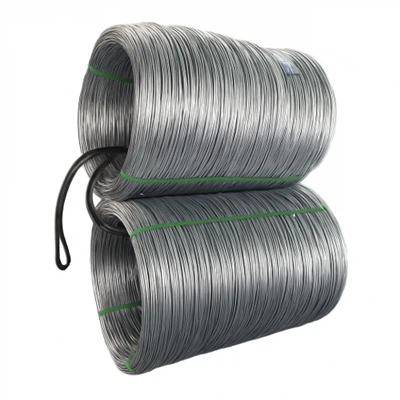
Pitting corrosion is a localized form of corrosion that can significantly affect the integrity and performance of stainless steel materials. As a supplier of 316 stainless steel wire, understanding the pitting resistance of this product is crucial for both us and our customers. In this blog, we will delve into what pitting resistance means for 316 stainless steel wire, the factors that influence it, and how it compares to other stainless steel wires.
What is Pitting Resistance?
Pitting resistance refers to a material's ability to resist the formation and propagation of small pits or holes on its surface when exposed to a corrosive environment. These pits can act as stress concentrators, leading to premature failure of the material, especially in applications where structural integrity is critical. Pitting corrosion typically occurs in the presence of halide ions, such as chloride ions, which are commonly found in seawater, certain chemicals, and even in some industrial environments.
Composition of 316 Stainless Steel Wire and Its Role in Pitting Resistance
316 stainless steel wire is an austenitic stainless steel alloy that contains chromium (Cr), nickel (Ni), and molybdenum (Mo) as its main alloying elements. Chromium is the primary element responsible for the corrosion resistance of stainless steel. It forms a thin, passive oxide layer on the surface of the steel, which acts as a barrier against further corrosion. Nickel enhances the ductility and toughness of the steel, while also improving its resistance to certain types of corrosion.
The addition of molybdenum is what gives 316 stainless steel wire its superior pitting resistance compared to other stainless steel grades, such as 304 Stainless Steel Wire. Molybdenum helps to stabilize the passive oxide layer and makes it more resistant to the breakdown caused by chloride ions. This is particularly important in environments where chloride ions are present, such as marine applications or chemical processing plants.
Factors Affecting the Pitting Resistance of 316 Stainless Steel Wire
1. Chemical Composition
As mentioned earlier, the chemical composition of 316 stainless steel wire plays a crucial role in its pitting resistance. The amount of chromium, nickel, and molybdenum in the alloy can vary slightly depending on the manufacturing process and the specific grade of 316 stainless steel. Generally, a higher content of these alloying elements will result in better pitting resistance. For example, 316L Stainless Steel Wire, which has a lower carbon content than standard 316 stainless steel, is often used in applications where corrosion resistance is of utmost importance.
2. Surface Finish
The surface finish of 316 stainless steel wire can also affect its pitting resistance. A smooth, polished surface is less likely to trap chloride ions and other contaminants, which can initiate pitting corrosion. On the other hand, a rough or scratched surface can provide sites for pitting to occur. Therefore, it is important to ensure that the wire has a proper surface finish before use.
3. Environmental Conditions
The pitting resistance of 316 stainless steel wire is highly dependent on the environmental conditions to which it is exposed. Factors such as temperature, pH, and the concentration of chloride ions can all influence the rate of pitting corrosion. For example, higher temperatures and lower pH values can accelerate the breakdown of the passive oxide layer, making the wire more susceptible to pitting. In addition, the presence of other contaminants, such as sulfur compounds or heavy metals, can also have a negative impact on the pitting resistance of the wire.
Comparing the Pitting Resistance of 316 Stainless Steel Wire with Other Stainless Steel Wires
316 vs. 304 Stainless Steel Wire
As mentioned earlier, 316 stainless steel wire has superior pitting resistance compared to 304 Stainless Steel Wire. This is mainly due to the addition of molybdenum in 316 stainless steel. 304 stainless steel is a widely used stainless steel grade, but it is not recommended for applications where the wire will be exposed to high levels of chloride ions. In contrast, 316 stainless steel wire is often used in marine applications, food processing equipment, and chemical processing plants, where its superior pitting resistance is essential.
316 vs. 304H Welding Wire
304H Welding Wire is a high-carbon version of 304 stainless steel wire that is commonly used for welding applications. While it has good mechanical properties, its pitting resistance is not as good as that of 316 stainless steel wire. This is because the high carbon content in 304H welding wire can lead to the formation of chromium carbides, which can deplete the chromium content in the passive oxide layer and make the wire more susceptible to pitting.
Testing the Pitting Resistance of 316 Stainless Steel Wire
There are several methods available for testing the pitting resistance of 316 stainless steel wire. One of the most commonly used methods is the ASTM G48 test, which involves immersing the wire in a solution containing ferric chloride and measuring the depth and density of the pits that form on the surface of the wire after a specified period of time. Another method is the electrochemical potentiodynamic polarization test, which measures the corrosion potential and the pitting potential of the wire in a specific electrolyte solution.
Importance of Pitting Resistance in Different Applications
Marine Applications
In marine applications, 316 stainless steel wire is often used for rigging, mooring lines, and other components that are exposed to seawater. The high chloride content in seawater makes it a highly corrosive environment, and the pitting resistance of the wire is crucial to ensure its long-term performance and safety.
Food Processing Equipment
In the food processing industry, 316 stainless steel wire is used for conveyor belts, mesh screens, and other equipment that comes into contact with food products. The pitting resistance of the wire is important to prevent the contamination of food products by corrosion products and to ensure the hygiene and safety of the equipment.
Chemical Processing Plants
In chemical processing plants, 316 stainless steel wire is used for various applications, such as piping, valves, and filters. The wire is often exposed to a wide range of chemicals, some of which can be highly corrosive. The pitting resistance of the wire is essential to prevent leaks and failures in the equipment, which can have serious consequences for the safety and efficiency of the plant.
Conclusion
In conclusion, the pitting resistance of 316 stainless steel wire is a critical property that determines its suitability for various applications. The addition of molybdenum in 316 stainless steel gives it superior pitting resistance compared to other stainless steel grades, such as 304 stainless steel. However, the pitting resistance of the wire can be affected by factors such as chemical composition, surface finish, and environmental conditions. By understanding these factors and taking appropriate measures to ensure the proper handling and use of the wire, we can maximize its pitting resistance and ensure its long-term performance.
If you are interested in purchasing 316 stainless steel wire or have any questions about its pitting resistance, please feel free to contact us. We are a reliable supplier of high-quality 316 stainless steel wire and are committed to providing our customers with the best products and services.


References
- ASM Handbook, Volume 13A: Corrosion: Fundamentals, Testing, and Protection. ASM International.
- Stainless Steel: A Guide to Properties, Selection, and Applications. The Nickel Institute.
- ASTM G48 - Standard Test Methods for Pitting and Crevice Corrosion Resistance of Stainless Steels and Related Alloys by Use of Ferric Chloride Solution. ASTM International.