


Hey there! As a supplier of Black Stainless Wire, I often get asked about the origin of the black color on it. It's a fascinating topic, and I'm excited to share what I've learned with you.
First off, let's talk about stainless steel itself. Stainless steel is an alloy made up of iron, chromium, and other elements. The chromium in stainless steel forms a thin, invisible layer of chromium oxide on the surface of the metal. This layer is what gives stainless steel its corrosion - resistant properties. But when we're dealing with black stainless wire, something different is going on.
One of the most common ways to achieve the black color on stainless wire is through a process called blackening. There are a few different methods of blackening stainless steel, and each has its own unique chemistry and applications.
One popular method is chemical blackening. In this process, the stainless wire is immersed in a chemical bath. The chemicals in the bath react with the surface of the stainless steel to form a black oxide layer. The specific chemicals used can vary, but they often contain compounds like copper salts, selenium compounds, or sulfur - based substances.
For example, a copper - based blackening solution works by depositing a thin layer of copper on the surface of the stainless steel. Then, the copper reacts with other elements in the solution to form a black copper oxide layer. This layer not only gives the wire its black color but also provides some degree of corrosion resistance.
Another method is thermal blackening. In thermal blackening, the stainless wire is heated to a high temperature in the presence of oxygen or other reactive gases. When the wire reaches a certain temperature, the surface of the stainless steel reacts with the oxygen to form a black iron oxide layer, also known as magnetite (Fe₃O₄). The key to this process is controlling the temperature and the atmosphere. If the temperature is too high or the gas composition is wrong, the wire may end up with a non - uniform color or even get damaged.
Now, let's take a look at different types of stainless steel wires that can be blackened. We have the 420 - stainless Steel Wire. 420 stainless steel is a martensitic stainless steel, which means it can be hardened by heat treatment. It contains around 12% chromium, which gives it good corrosion resistance. When 420 stainless steel wire is blackened, the blackening process can enhance its appearance and also add a bit of extra protection against rust.
Then there's the 304 Stainless Steel Spring Wire. 304 stainless steel is an austenitic stainless steel. It's very popular because of its excellent corrosion resistance and good formability. When blackening 304 stainless steel wire, the process needs to be carefully controlled to ensure that the black layer adheres well to the surface and doesn't affect the mechanical properties of the spring wire.
And of course, we have the 316 Stainless Steel Wire. 316 stainless steel is similar to 304 but contains molybdenum, which gives it even better corrosion resistance, especially in chloride - rich environments. Blackening 316 stainless steel wire can be a bit more challenging because of its higher alloy content, but with the right blackening process, we can achieve a beautiful, uniform black color.
The black color on black stainless wire isn't just for looks. It has some practical benefits too. In some applications, the black color can help reduce glare. For example, in architectural applications where stainless steel wires are used for decorative purposes, the black color can create a more subdued and elegant look. In industrial applications, the black oxide layer can act as a lubricant, reducing friction between the wire and other components.
However, there are also some challenges associated with black stainless wire. One of the main challenges is maintaining the black color over time. The black oxide layer can wear off if the wire is exposed to abrasive conditions or harsh chemicals. To address this issue, we can apply a protective coating on top of the black oxide layer. This coating can help extend the life of the black color and also provide additional corrosion protection.

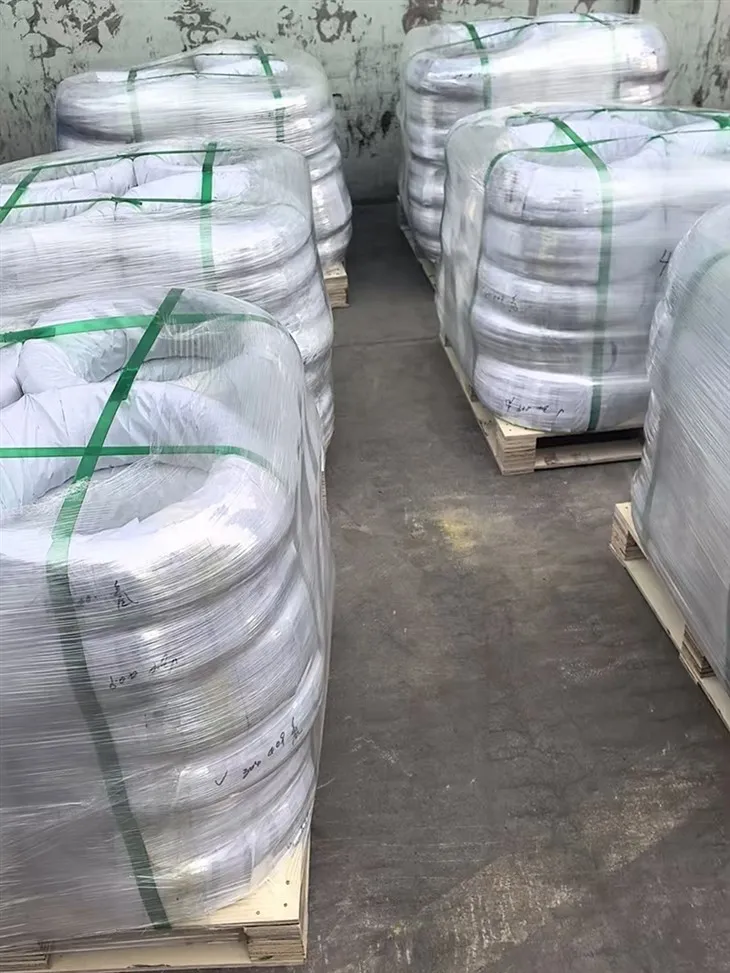
Another challenge is ensuring the quality and uniformity of the black color. In the manufacturing process, it's important to control all the variables, such as the temperature, the chemical concentration in the blackening bath, and the immersion time. Any small variation can result in a non - uniform color or a patchy appearance.
As a supplier of Black Stainless Wire, we take great pride in our products. We use state - of - the - art manufacturing processes to ensure that our black stainless wire has a high - quality, uniform black color. We also conduct rigorous quality control tests to make sure that the wire meets the highest standards in terms of corrosion resistance, mechanical properties, and appearance.
If you're in the market for Black Stainless Wire, whether it's for architectural, industrial, or decorative purposes, I'd love to have a chat with you. We can discuss your specific requirements, such as the type of stainless steel, the diameter of the wire, and the quantity you need. Our team of experts is always ready to provide you with the best solutions and advice.
So, if you're interested in purchasing Black Stainless Wire, don't hesitate to reach out. We're here to help you find the perfect wire for your project.
References
- ASM Handbook Volume 5: Surface Engineering. ASM International.
- Stainless Steel: A Technical Guide. The Nickel Institute.


