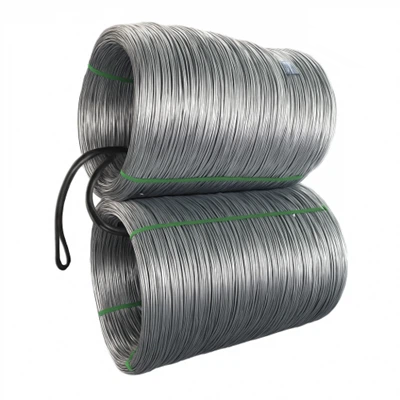
Alloy 925 round bars are widely used in various industries due to their excellent mechanical properties and corrosion resistance. As a supplier of Alloy 925 round bars, I often receive inquiries about the maximum allowable impurity content in these bars. In this blog post, I will delve into this topic, explaining why impurity content matters, the specific limits for Alloy 925 round bars, and how these limits impact the performance of the bars.
Why Impurity Content Matters in Alloy 925 Round Bars
Impurities in Alloy 925 round bars can significantly affect their mechanical and chemical properties. Even small amounts of impurities can alter the microstructure of the alloy, leading to changes in strength, ductility, and corrosion resistance. For example, sulfur and phosphorus are common impurities in steel alloys. High sulfur content can cause hot shortness, which means the alloy becomes brittle at high temperatures, making it difficult to process. Phosphorus, on the other hand, can increase the hardness and brittleness of the alloy, reducing its toughness and impact resistance.
In addition to mechanical properties, impurities can also affect the corrosion resistance of Alloy 925 round bars. Some impurities can act as sites for corrosion initiation, accelerating the degradation of the material in corrosive environments. Therefore, controlling the impurity content is crucial to ensure the quality and performance of Alloy 925 round bars in different applications.
Maximum Allowable Impurity Content in Alloy 925 Round Bars
The maximum allowable impurity content in Alloy 925 round bars is typically specified by international standards and industry requirements. These standards are designed to ensure the consistency and reliability of the alloy. While the exact limits may vary depending on the specific application and customer requirements, there are some general guidelines for common impurities.
- Carbon (C): Carbon is an important element in steel alloys as it affects the strength and hardness. However, excessive carbon content can lead to increased brittleness. In Alloy 925 round bars, the maximum allowable carbon content is usually limited to around 0.03% - 0.05%. This low carbon content helps maintain the ductility and weldability of the alloy.
- Silicon (Si): Silicon is often added to steel alloys as a deoxidizer and to improve the strength and hardness. In Alloy 925 round bars, the silicon content is typically limited to 0.50% - 1.00%. Higher silicon content can increase the tendency for oxidation and reduce the corrosion resistance of the alloy.
- Manganese (Mn): Manganese is another element that can improve the strength and hardenability of steel alloys. In Alloy 925 round bars, the manganese content is usually limited to 1.00% - 2.00%. Excessive manganese content can lead to the formation of manganese sulfide inclusions, which can reduce the ductility and toughness of the alloy.
- Sulfur (S): Sulfur is a common impurity in steel alloys that can cause hot shortness. In Alloy 925 round bars, the maximum allowable sulfur content is typically limited to 0.010% - 0.030%. Low sulfur content helps ensure the good workability and weldability of the alloy.
- Phosphorus (P): Phosphorus can increase the hardness and brittleness of steel alloys. In Alloy 925 round bars, the maximum allowable phosphorus content is usually limited to 0.020% - 0.040%. Controlling the phosphorus content is important to maintain the toughness and impact resistance of the alloy.
Impact of Impurity Content on the Performance of Alloy 925 Round Bars
The impurity content in Alloy 925 round bars can have a significant impact on their performance in different applications. For example, in applications where high strength and toughness are required, such as in the construction of bridges and buildings, strict control of the impurity content is essential. Even small deviations from the specified limits can lead to a decrease in the mechanical properties of the alloy, increasing the risk of failure.
In corrosive environments, such as in the chemical and marine industries, the impurity content can also affect the corrosion resistance of Alloy 925 round bars. Impurities can act as sites for corrosion initiation, leading to the formation of pits and cracks on the surface of the bar. Over time, these corrosion products can weaken the structure of the bar, reducing its service life.
Therefore, as a supplier of Alloy 925 round bars, we take great care to ensure that the impurity content in our products meets the strictest standards. We use advanced manufacturing processes and quality control measures to monitor and control the impurity levels in each batch of bars. This ensures that our customers receive high-quality Alloy 925 round bars that meet their specific requirements.
Comparison with Other Round Bars
When considering the maximum allowable impurity content, it is also interesting to compare Alloy 925 round bars with other types of round bars, such as 304 Stainless Steel Round Bar and 430 ss round bar.
304 stainless steel round bars are a popular choice in many industries due to their good corrosion resistance and formability. The maximum allowable carbon content in 304 stainless steel is around 0.08%, which is slightly higher than that in Alloy 925 round bars. This higher carbon content can provide better strength but may also reduce the weldability and corrosion resistance in some environments.
430 ss round bars are a ferritic stainless steel with lower nickel content compared to 304 stainless steel. The impurity limits in 430 ss round bars are similar to those in Alloy 925 round bars, but the specific requirements may vary depending on the application. For example, in applications where high temperature resistance is required, the impurity content in 430 ss round bars may need to be more strictly controlled.
Conclusion
In conclusion, the maximum allowable impurity content in Alloy 925 round bars is a critical factor that affects their performance and quality. By controlling the impurity levels, we can ensure that the bars have the desired mechanical and chemical properties, making them suitable for a wide range of applications. As a supplier of Alloy 925 Round Bar, we are committed to providing our customers with high-quality products that meet the strictest industry standards.
If you are interested in purchasing Alloy 925 round bars or have any questions about the impurity content and product specifications, please feel free to contact us. We will be happy to provide you with detailed information and assist you in finding the right solution for your needs.


References
- ASM Handbook Volume 1: Properties and Selection: Irons, Steels, and High-Performance Alloys.
- ASTM International Standards for Stainless Steel Bars.