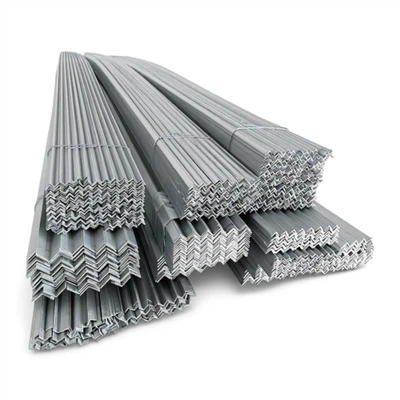
Hey there! As a stainless steel channel supplier, I've gotten tons of questions about the magnetic properties of different grades of stainless steel channel. It's a topic that's super important for many of our customers, whether they're in construction, manufacturing, or just DIY enthusiasts. So, let's dive right in and break it down.
First off, let's understand what makes stainless steel magnetic in the first place. Magnetism in metals is mainly determined by their crystal structure and the presence of certain elements. Stainless steel is an alloy made up of iron, chromium, nickel, and sometimes other elements. The amount and combination of these elements can greatly affect its magnetic properties.
Austenitic Stainless Steel Channels
One of the most common types of stainless steel channels we supply is austenitic stainless steel. This grade typically contains high levels of chromium and nickel, which gives it excellent corrosion resistance. The most well - known austenitic grades are 304 and 316.
304 stainless steel is widely used because it's relatively affordable and has good mechanical properties. It's non - magnetic in its annealed (softened) state. However, when it's cold - worked, like being bent or formed into a channel, it can develop some magnetic properties. This is because the cold - working process changes the crystal structure of the steel, causing some of it to transform into a magnetic phase.
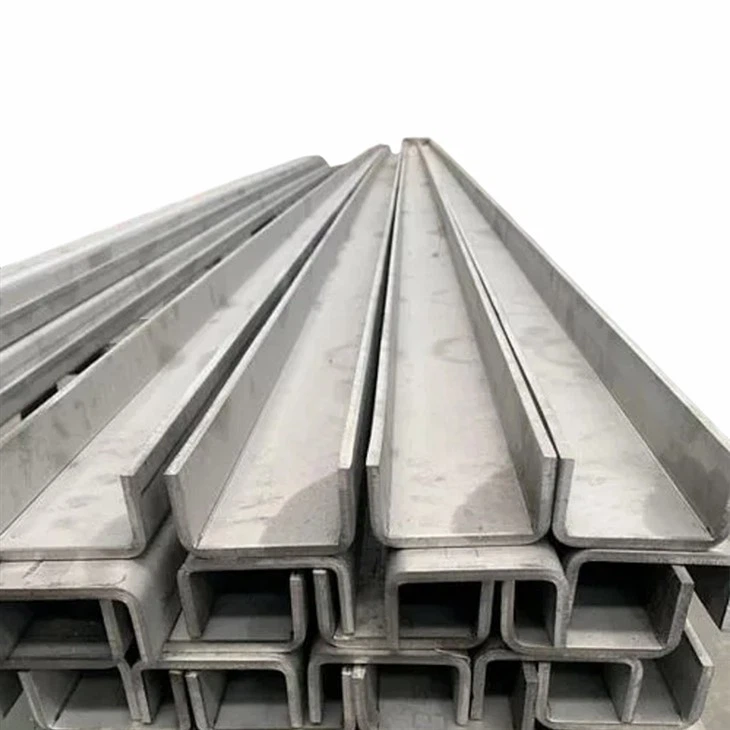

Now, let's talk about 316 Stainless Steel Channel. 316 has a higher nickel content than 304, along with the addition of molybdenum. This makes it even more resistant to corrosion, especially in harsh environments like marine settings. Similar to 304, 316 is non - magnetic in its annealed state. But again, cold - working can introduce some magnetic characteristics. The magnetic properties of cold - worked 316 are usually less pronounced compared to 304 because of its higher nickel content, which tends to stabilize the non - magnetic austenitic structure.
Ferritic Stainless Steel Channels
Ferritic stainless steel channels are another option we offer. These grades have a lower nickel content and a higher chromium content compared to austenitic stainless steels. They have a body - centered cubic (BCC) crystal structure, which is inherently magnetic. Ferritic stainless steels are known for their good resistance to stress - corrosion cracking and are often used in applications where magnetic properties aren't a problem.
One of the advantages of ferritic stainless steel channels is that they're generally more cost - effective than austenitic grades. They're also easier to weld in some cases. However, they have lower ductility and toughness compared to austenitic stainless steels, which means they might not be suitable for applications that require a lot of bending or forming.
Martensitic Stainless Steel Channels
Martensitic stainless steel channels are less common but have their own unique properties. These grades are heat - treatable, which allows them to achieve high strength and hardness. They have a high carbon content and a martensitic crystal structure, which is magnetic.
Martensitic stainless steels are often used in applications where high strength and wear resistance are required, such as in cutlery or some mechanical parts. However, they're more prone to corrosion compared to austenitic and ferritic grades, especially in environments with high humidity or chemical exposure.
Duplex Stainless Steel Channels
Duplex stainless steel channels are a combination of austenitic and ferritic structures. They offer a good balance of strength, corrosion resistance, and cost. The ferritic phase in duplex stainless steel makes it magnetic, but the austenitic phase helps improve its toughness and corrosion resistance.
Duplex stainless steels are becoming more popular in various industries because they can withstand high pressures and are resistant to stress - corrosion cracking. They're often used in oil and gas pipelines, chemical processing plants, and marine applications.
How to Determine the Magnetic Property
If you're trying to figure out the magnetic property of a stainless steel channel, you can use a simple magnet. Just hold the magnet near the channel and see if it sticks. If it does, then the channel has some magnetic properties. But keep in mind that this is a basic test and might not give you a complete picture. For more accurate results, you might need to use specialized testing equipment, like a magnetic permeability meter.
Why Magnetic Properties Matter
The magnetic properties of stainless steel channels can be crucial depending on the application. For example, in some electrical applications, non - magnetic stainless steel is required to prevent interference with magnetic fields. On the other hand, in magnetic separation processes, magnetic stainless steel channels might be necessary.
In construction, the magnetic property can also affect the installation process. If you're using magnetic tools, a magnetic stainless steel channel can make the installation quicker and easier.
Our Offerings
As a stainless steel channel supplier, we offer a wide range of grades and types to meet your specific needs. Whether you need a non - magnetic 316 Stainless Steel Channel for a sensitive electrical project or a magnetic ferritic stainless steel channel for a construction job, we've got you covered.
We also have Metal U Shaped Channel and Polished Stainless Steel Channel options. The U - shaped channels are great for framing and support, while the polished channels add a sleek and professional look to any project.
Contact Us
If you're interested in purchasing stainless steel channels and have questions about the magnetic properties or any other aspect, don't hesitate to reach out. We're here to help you choose the right product for your application. Whether you're a large - scale manufacturer or a small - scale DIYer, we can provide the high - quality stainless steel channels you need.
References
- ASM Handbook, Volume 1: Properties and Selection: Irons, Steels, and High - Performance Alloys
- Stainless Steel World Magazine
- The International Stainless Steel Forum (ISSF) Publications