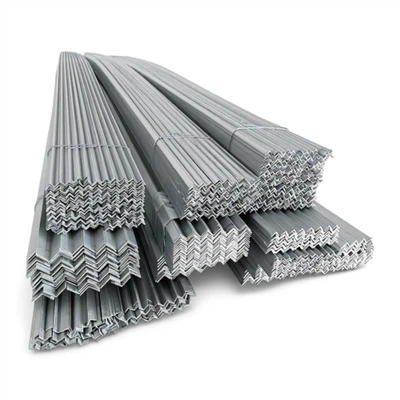
Inconel 625 is a nickel-based superalloy known for its excellent corrosion resistance, high strength, and good weldability. As a leading supplier of Inconel 625 bar stock, I often receive inquiries about the heat treatment process for this material. In this blog post, I will delve into the details of the heat treatment process for Inconel 625 bar stock, explaining its importance, the different stages involved, and how it affects the properties of the material.
Importance of Heat Treatment for Inconel 625 Bar Stock
Heat treatment is a crucial step in the manufacturing process of Inconel 625 bar stock. It helps to optimize the material's mechanical properties, such as strength, hardness, and ductility, to meet the specific requirements of various applications. By carefully controlling the heating and cooling rates, as well as the temperature and duration of the heat treatment, we can achieve the desired microstructure and properties in the bar stock.
One of the primary reasons for heat treating Inconel 625 bar stock is to improve its corrosion resistance. The alloy contains high levels of nickel, chromium, and molybdenum, which form a protective oxide layer on the surface of the material. Heat treatment can enhance the formation and stability of this oxide layer, making the bar stock more resistant to corrosion in a wide range of environments, including seawater, acidic solutions, and high-temperature gases.
Another important benefit of heat treatment is to increase the strength and hardness of the bar stock. Inconel 625 has a relatively high strength-to-weight ratio, but heat treatment can further enhance its mechanical properties. By precipitating fine particles of intermetallic compounds within the microstructure, heat treatment can strengthen the material and improve its resistance to deformation and wear.
Heat Treatment Process for Inconel 625 Bar Stock
The heat treatment process for Inconel 625 bar stock typically involves three main stages: solution annealing, aging, and stress relieving. Each stage plays a crucial role in achieving the desired properties of the material.
Solution Annealing
Solution annealing is the first step in the heat treatment process. It involves heating the bar stock to a high temperature, typically between 1900°F (1038°C) and 2100°F (1149°C), and holding it at this temperature for a specific period of time to dissolve any precipitates or carbides that may have formed during the manufacturing process. This process helps to homogenize the microstructure of the material and prepare it for the subsequent aging treatment.
After the solution annealing temperature is reached, the bar stock is rapidly cooled, usually by quenching in water or oil. This rapid cooling helps to retain the dissolved elements in a supersaturated solid solution, preventing the formation of unwanted precipitates during the cooling process.
Aging
Aging is the second stage of the heat treatment process. It involves heating the solution-annealed bar stock to a lower temperature, typically between 1200°F (649°C) and 1400°F (760°C), and holding it at this temperature for a specific period of time to allow the precipitation of fine particles of intermetallic compounds within the microstructure. These particles act as strengthening agents, increasing the strength and hardness of the material.
The aging time and temperature depend on the specific requirements of the application and the desired properties of the bar stock. Longer aging times and higher temperatures generally result in greater precipitation and higher strength, but they may also reduce the ductility and toughness of the material. Therefore, it is important to carefully control the aging parameters to achieve the optimal balance between strength and ductility.
Stress Relieving
Stress relieving is the final stage of the heat treatment process. It involves heating the aged bar stock to a relatively low temperature, typically between 1000°F (538°C) and 1200°F (649°C), and holding it at this temperature for a specific period of time to relieve any residual stresses that may have been introduced during the manufacturing or heat treatment process. Residual stresses can cause distortion, cracking, and reduced fatigue life in the bar stock, so stress relieving is an important step to ensure the long-term performance and reliability of the material.


After the stress relieving temperature is reached, the bar stock is slowly cooled to room temperature. This slow cooling helps to minimize the formation of new residual stresses during the cooling process.
Factors Affecting the Heat Treatment Process
Several factors can affect the heat treatment process for Inconel 625 bar stock, including the composition of the alloy, the size and shape of the bar stock, and the specific requirements of the application.
The composition of the alloy plays a crucial role in determining the heat treatment parameters. Different grades of Inconel 625 may have slightly different compositions, which can affect the solubility of the alloying elements and the formation of precipitates during the heat treatment process. Therefore, it is important to use the appropriate heat treatment parameters for the specific grade of Inconel 625 being used.
The size and shape of the bar stock can also affect the heat treatment process. Larger bar stocks may require longer heating and cooling times to ensure uniform temperature distribution throughout the material. Similarly, complex shapes may require special heat treatment techniques to avoid distortion or cracking.
The specific requirements of the application also need to be considered when determining the heat treatment parameters. For example, if the bar stock is intended for use in a high-temperature application, it may require a higher solution annealing temperature and a longer aging time to achieve the desired strength and creep resistance. On the other hand, if the bar stock is intended for use in a corrosion-resistant application, it may require a lower solution annealing temperature and a shorter aging time to maintain its corrosion resistance.
Comparison with Other Stainless Steel Round Bars
Inconel 625 bar stock is often compared to other stainless steel round bars, such as 316 Round Bar, 303 Stainless Steel Round Bar, and 403 Stainless Steel Round Bar. While these stainless steel round bars have their own unique properties and applications, Inconel 625 offers several advantages in certain situations.
One of the main advantages of Inconel 625 over stainless steel round bars is its superior corrosion resistance. Stainless steel round bars are generally more susceptible to corrosion in harsh environments, such as seawater and acidic solutions, compared to Inconel 625. The high levels of nickel, chromium, and molybdenum in Inconel 625 make it highly resistant to a wide range of corrosive media, making it a preferred choice for applications in the marine, chemical, and petrochemical industries.
Another advantage of Inconel 625 is its high-temperature strength and stability. Stainless steel round bars may experience significant loss of strength and creep resistance at high temperatures, while Inconel 625 can maintain its mechanical properties up to relatively high temperatures. This makes Inconel 625 suitable for applications in high-temperature environments, such as gas turbines, aerospace components, and heat exchangers.
Conclusion
In conclusion, the heat treatment process for Inconel 625 bar stock is a critical step in achieving the desired properties of the material. By carefully controlling the heating and cooling rates, as well as the temperature and duration of the heat treatment, we can optimize the corrosion resistance, strength, and hardness of the bar stock to meet the specific requirements of various applications.
As a supplier of Inconel 625 bar stock, we have extensive experience in heat treating the material to ensure its quality and performance. We use state-of-the-art equipment and advanced heat treatment techniques to provide our customers with high-quality bar stock that meets their exact specifications.
If you are interested in purchasing Inconel 625 bar stock or have any questions about the heat treatment process, please feel free to contact us. We will be happy to assist you and provide you with the information and support you need.
References
- ASM Handbook, Volume 4: Heat Treating, ASM International
- Nickel and High-Alloy Steels, ASM International
- Inconel 625 Technical Data Sheet, Special Metals Corporation