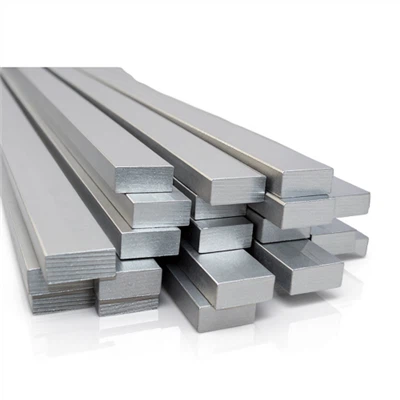
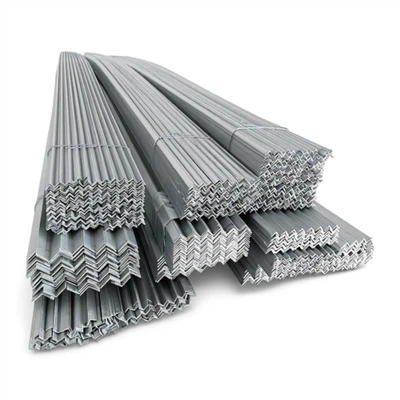
As a supplier of Standard Angle Bars, I've had the privilege of witnessing the diverse needs and applications of these versatile steel products in various industries. In this blog, I'll delve into the differences between standard angle bars and non - standard angle bars, shedding light on their characteristics, uses, and why choosing the right one matters.


What are Angle Bars?
Angle bars, also known as angle irons, are L - shaped structural steel products. They are widely used in construction, manufacturing, and DIY projects due to their strength, durability, and cost - effectiveness. Angle bars can be made from different materials, including carbon steel, stainless steel, and aluminum, each with its own set of properties and applications.
Standard Angle Bars
A standard angle bar adheres to specific industry standards and specifications. These standards are set by national or international organizations to ensure uniformity, quality, and compatibility. For example, in the United States, the American Society for Testing and Materials (ASTM) has established standards for angle bars, which cover aspects such as dimensions, chemical composition, mechanical properties, and surface finish.
Dimensions
One of the key features of a standard angle bar is its precise dimensions. Standard angle bars come in a range of predefined sizes, with specific lengths, leg widths, and thicknesses. This standardization makes it easier for designers, engineers, and fabricators to select the appropriate angle bar for their projects. For instance, a common standard angle bar might have leg widths of 2 inches and a thickness of 1/4 inch, which is readily available in the market.
Quality and Consistency
Since standard angle bars are manufactured according to set standards, they offer a high level of quality and consistency. The chemical composition and mechanical properties of standard angle bars are carefully controlled during the manufacturing process. This ensures that each piece meets the required strength, ductility, and corrosion resistance. When you purchase a Standard Angle Bar, you can be confident that it will perform as expected in your application.
Compatibility
Standard angle bars are designed to be compatible with other standardized building materials and components. This compatibility simplifies the construction and assembly process, as they can be easily joined with other parts using standard fasteners and connection methods. For example, a standard angle bar can be welded or bolted to other steel members without the need for extensive modifications.
Applications
Standard angle bars are commonly used in a wide range of applications, including building frames, support structures, shelving units, and machinery guards. Their standardized nature makes them a popular choice for large - scale construction projects where consistency and interchangeability are crucial.
Non - Standard Angle Bars
Non - standard angle bars, on the other hand, do not conform to the established industry standards. They are typically custom - made to meet specific requirements that cannot be fulfilled by standard angle bars.
Dimensions
Non - standard angle bars can have unique dimensions that are tailored to the needs of a particular project. This could include non - standard leg widths, thicknesses, or lengths. For example, a project might require an angle bar with a leg width of 2.5 inches, which is not available as a standard size. In such cases, a non - standard angle bar can be fabricated to the exact specifications.
Special Requirements
Non - standard angle bars are often used when there are special requirements for the application. This could involve specific chemical compositions, mechanical properties, or surface finishes. For instance, in a corrosive environment, a non - standard angle bar might be made from a special alloy with enhanced corrosion resistance. Or, if a project requires a high - strength angle bar, a non - standard angle bar can be heat - treated to achieve the desired mechanical properties.
Limited Availability
Since non - standard angle bars are custom - made, they are not as readily available as standard angle bars. The manufacturing process for non - standard angle bars is more complex and time - consuming, as it involves custom tooling and production set - up. This can result in longer lead times and higher costs compared to standard angle bars.
Applications
Non - standard angle bars are commonly used in niche applications, such as custom - designed machinery, artistic installations, and specialized construction projects. They offer the flexibility to meet unique design requirements that cannot be achieved with standard angle bars.
Key Differences
Cost
Standard angle bars are generally more cost - effective than non - standard angle bars. The mass production of standard angle bars allows for economies of scale, resulting in lower production costs. In contrast, the custom - made nature of non - standard angle bars requires additional resources and labor, which drives up the cost.
Lead Time
Standard angle bars are readily available in the market, and the lead time for procurement is usually short. Most suppliers keep a stock of standard angle bars in various sizes, allowing for quick delivery. Non - standard angle bars, however, have a longer lead time due to the custom manufacturing process. It can take several weeks or even months to produce a non - standard angle bar, depending on the complexity of the requirements.
Design Flexibility
Non - standard angle bars offer greater design flexibility compared to standard angle bars. They can be customized to fit any unique design or application, allowing for more creative and innovative solutions. Standard angle bars, while versatile, are limited to the predefined sizes and specifications.
Quality Assurance
Standard angle bars benefit from the quality control measures associated with industry standards. The manufacturing process is closely monitored to ensure that each piece meets the required quality criteria. Non - standard angle bars, on the other hand, rely on the expertise and quality control of the manufacturer. It is important to choose a reputable manufacturer when ordering non - standard angle bars to ensure that they meet the desired quality standards.
Our Offerings as a Standard Angle Bar Supplier
As a supplier of Standard Angle Bar, we take pride in offering high - quality products that meet the industry standards. Our standard angle bars are available in a wide range of sizes and materials, including carbon steel, stainless steel, and aluminum. We also offer Steel Solid Angle Bar and Welding Angle Bar options to cater to different application needs.
We understand that every project is unique, and sometimes standard angle bars may not be sufficient. That's why we also have the capability to produce non - standard angle bars upon request. Our experienced team of engineers and fabricators can work with you to design and manufacture custom - made angle bars that meet your specific requirements.
Why Choose Us?
- Quality Assurance: We have a strict quality control system in place to ensure that all our angle bars, whether standard or non - standard, meet the highest quality standards.
- Competitive Pricing: We offer competitive prices for our standard angle bars, thanks to our efficient production processes and strong supplier relationships.
- Fast Delivery: We maintain a large inventory of standard angle bars, allowing us to provide fast delivery services. For non - standard angle bars, we work hard to minimize the lead time without compromising on quality.
- Expert Support: Our team of experts is always available to provide technical support and advice. Whether you need help in selecting the right angle bar or have questions about the manufacturing process, we're here to assist you.
Contact Us for Procurement
If you're in the market for angle bars, whether standard or non - standard, we'd love to hear from you. Our team is ready to discuss your project requirements and provide you with a competitive quote. Contact us today to start the procurement process and find the perfect angle bar solution for your needs.
References
- American Society for Testing and Materials (ASTM) standards for angle bars.
- Industry publications on structural steel products and their applications.