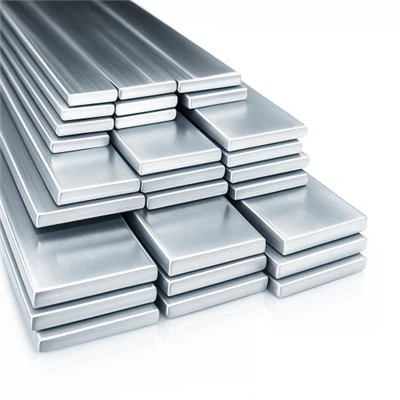
As a seasoned supplier of bright steel rods, I've witnessed firsthand the dynamic evolution of materials in the steel industry. In this blog post, I'll explore some of the new materials related to bright steel rods that are making waves in various sectors.


1. High - Strength Low - Alloy (HSLA) Steels
HSLA steels have emerged as a significant innovation in the realm of bright steel rods. These steels are designed to provide enhanced strength and better formability compared to traditional carbon steels. The addition of small amounts of alloying elements such as vanadium, niobium, and titanium imparts unique properties to HSLA steels.
One of the key advantages of HSLA bright steel rods is their high strength - to - weight ratio. This makes them ideal for applications where weight reduction is crucial, such as in the automotive and aerospace industries. For instance, in automotive manufacturing, HSLA bright steel rods can be used in suspension systems, reducing the overall weight of the vehicle and improving fuel efficiency.
Another benefit is their excellent weldability. Unlike some high - strength steels, HSLA steels can be easily welded without significant loss of strength or the formation of brittle zones. This characteristic allows for more flexible design and fabrication processes, enabling manufacturers to create complex structures with bright steel rods.
2. Duplex Stainless Steels
Duplex stainless steels are a relatively new class of materials in the bright steel rod market. They have a microstructure consisting of both austenite and ferrite phases, which combines the best properties of each.
The corrosion resistance of duplex stainless steel bright steel rods is outstanding. They are highly resistant to pitting, crevice corrosion, and stress - corrosion cracking, making them suitable for harsh environments such as marine applications. For example, in offshore oil and gas platforms, duplex stainless steel bright steel rods can be used in structural components and piping systems, where they are constantly exposed to saltwater and corrosive chemicals.
In addition to their corrosion resistance, duplex stainless steels have high strength. This enables the use of thinner sections of bright steel rods, reducing material costs and weight. Their good ductility also allows for easy forming and machining, which is essential for various manufacturing processes.
3. Advanced High - Strength Steels (AHSS)
AHSS is a broad category of steels that includes various grades such as martensitic, complex - phase, and transformation - induced plasticity (TRIP) steels. These steels are engineered to meet the increasing demand for high - strength materials in the automotive and construction industries.
Martensitic steels, for example, offer extremely high strength. Bright steel rods made from martensitic steels can be used in safety - critical components in vehicles, such as seat belts and airbag components. Their high strength ensures that these components can withstand high forces during a collision, protecting the passengers.
TRIP steels, on the other hand, have unique deformation characteristics. They can undergo a phase transformation during deformation, which results in increased strength and ductility. This makes TRIP steel bright steel rods suitable for applications where both high strength and good formability are required, such as in the manufacturing of automotive body panels.
4. New Alloys for Enhanced Wear Resistance
In industries where bright steel rods are subject to high levels of wear, such as mining and heavy machinery, new alloys have been developed to improve wear resistance.
One such alloy is a chromium - molybdenum - vanadium (Cr - Mo - V) alloy. Bright steel rods made from this alloy have a hard surface layer that can withstand abrasive wear, erosion, and impact. In mining equipment, these rods can be used in conveyor systems, crushers, and drilling tools, where they are constantly in contact with hard rocks and minerals.
Another example is a tungsten - carbide - reinforced alloy. Tungsten carbide particles are embedded in the steel matrix, providing exceptional hardness and wear resistance. This type of bright steel rod is often used in high - performance cutting tools and wear - resistant parts in industrial machinery.
5. Specialty Stainless Steels
There are also some specialty stainless steels that are becoming more popular in the bright steel rod market.
The 316L Stainless Steel Round Bar is well - known for its excellent corrosion resistance, especially in environments containing chlorides. It is commonly used in food processing equipment, chemical processing plants, and medical devices. The low carbon content of 316L reduces the risk of carbide precipitation during welding, ensuring the integrity of the welded joints.
The 303 Stainless Steel Round Bar is a free - machining stainless steel. It contains sulfur, which improves its machinability. Bright steel rods made from 303 stainless steel are often used in applications where high - precision machining is required, such as in the production of screws, nuts, and bolts.
The 430 Stainless Steel Round Bar is a ferritic stainless steel. It offers good corrosion resistance at a relatively low cost. This makes it a popular choice for decorative applications, such as architectural trim and household appliances.
Conclusion and Call to Action
The world of bright steel rods is constantly evolving, with new materials offering improved performance, durability, and cost - effectiveness. Whether you're in the automotive, aerospace, construction, or manufacturing industry, there's likely a new bright steel rod material that can meet your specific needs.
If you're interested in exploring these new materials for your projects, I encourage you to reach out to me. I can provide you with detailed information about the properties, applications, and availability of these materials. We can also discuss how these new bright steel rod materials can be integrated into your existing manufacturing processes to improve efficiency and product quality. Let's start a conversation and find the best solution for your bright steel rod requirements.
References
- ASM Handbook Committee, "ASM Handbook Volume 1: Properties and Selection: Irons, Steels, and High - Performance Alloys", ASM International, 2007.
- "Stainless Steel Design Manual", The Nickel Institute, 2011.
- "High - Strength Low - Alloy Steels: Technology and Application", NACE International, 2015.