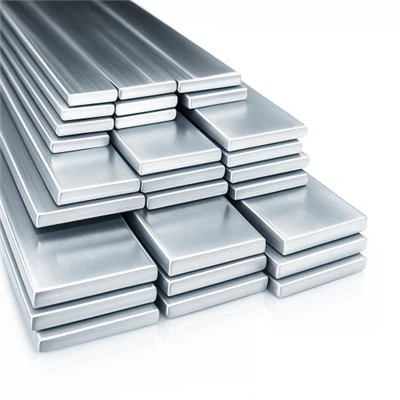
Stainless steel angle bars are versatile and essential components in the construction industry, offering a wide range of applications due to their unique properties. As a trusted stainless steel angle bar supplier, I have witnessed firsthand the diverse ways in which these bars are used to enhance the structural integrity and aesthetic appeal of various construction projects. In this blog post, I will explore the numerous applications of stainless steel angle bars in construction and highlight their benefits.
Structural Support
One of the primary applications of stainless steel angle bars in construction is providing structural support. These bars are commonly used to reinforce corners, edges, and joints in buildings, bridges, and other structures. Their L-shaped design provides excellent strength and stability, making them ideal for withstanding heavy loads and forces.


In building construction, stainless steel angle bars are often used as framing members for walls, floors, and roofs. They can be used to create a rigid framework that supports the weight of the structure and distributes the load evenly. Additionally, angle bars can be used to reinforce columns and beams, increasing their load-bearing capacity and preventing them from buckling or collapsing.
For example, in a high-rise building, stainless steel angle bars may be used to strengthen the corners of the building's frame. This helps to resist wind and seismic forces, ensuring the safety and stability of the structure. Similarly, in a bridge, angle bars can be used to support the deck and provide additional reinforcement to the joints.
Architectural Design
In addition to their structural applications, stainless steel angle bars are also used for architectural purposes. Their sleek and modern appearance makes them a popular choice for adding decorative elements to buildings and structures. Angle bars can be used to create decorative trim, moldings, and accents, enhancing the overall aesthetic appeal of the construction.
In interior design, stainless steel angle bars can be used to create stylish partitions, shelving units, and display cases. They can also be used to frame mirrors, windows, and doors, adding a touch of elegance and sophistication to the space. In exterior design, angle bars can be used to create decorative facades, grating, and railings, giving the building a unique and distinctive look.
For instance, in a contemporary office building, stainless steel angle bars may be used to create a geometric pattern on the exterior facade. This adds visual interest and creates a modern and professional appearance. In a residential kitchen, angle bars can be used to frame the countertops and add a sleek and modern touch to the space.
Equipment Support
Stainless steel angle bars are also widely used for equipment support in construction. They are commonly used to create frames and brackets for machinery, equipment, and storage systems. Their high strength and corrosion resistance make them suitable for supporting heavy equipment and ensuring its stability and durability.
In industrial settings, stainless steel angle bars can be used to build conveyor systems, storage racks, and workbenches. They can also be used to support electrical panels, control cabinets, and other equipment. In commercial buildings, angle bars can be used to support HVAC systems, plumbing fixtures, and lighting fixtures.
For example, in a manufacturing plant, stainless steel angle bars may be used to build a frame for a large industrial machine. This provides a stable base for the machine and ensures its proper operation. In a supermarket, angle bars can be used to support the shelves and storage units, allowing them to hold a large amount of merchandise.
Safety and Security
Stainless steel angle bars play an important role in ensuring the safety and security of construction projects. They are commonly used to create barriers, guards, and fencing to prevent accidents and protect people and property. Their strength and durability make them suitable for withstanding impact and preventing unauthorized access.
In buildings, stainless steel angle bars can be used to create handrails, stair guards, and balcony railings. These provide a safe and secure barrier for people to grasp and hold onto, preventing falls and accidents. In industrial settings, angle bars can be used to create machine guards, safety barriers, and fencing to protect workers from moving parts and hazardous areas.
For instance, in a hospital, stainless steel angle bars may be used to create handrails along the corridors to assist patients and visitors. In a factory, angle bars can be used to create a safety barrier around a dangerous machine to prevent workers from getting too close.
Types of Stainless Steel Angle Bars
There are several types of stainless steel angle bars available, each with its own unique properties and applications. Some of the most common types include:
- Welding Angle Bar: These angle bars are designed for welding applications and are commonly used in structural construction. They have a smooth surface finish and are available in various sizes and thicknesses.
- Standard Angle Bar: Standard angle bars are the most commonly used type of angle bar in construction. They are available in a wide range of sizes and grades and are suitable for a variety of applications.
- Steel Solid Angle Bar: These angle bars are made from solid steel and are known for their high strength and durability. They are commonly used in heavy-duty applications where maximum strength is required.
Benefits of Using Stainless Steel Angle Bars
There are several benefits to using stainless steel angle bars in construction, including:
- Corrosion Resistance: Stainless steel is highly resistant to corrosion, making it ideal for use in harsh environments where moisture, chemicals, or saltwater are present. This ensures the long-term durability and integrity of the structure.
- Strength and Durability: Stainless steel angle bars have high strength and can withstand heavy loads and forces. They are also resistant to bending and deformation, ensuring the stability and safety of the structure.
- Aesthetic Appeal: Stainless steel has a sleek and modern appearance that can enhance the overall aesthetic appeal of the construction. It is available in a variety of finishes, including polished, brushed, and matte, allowing for customization and design flexibility.
- Easy Installation: Stainless steel angle bars are relatively easy to install and can be cut, drilled, and welded to fit the specific requirements of the project. This reduces installation time and labor costs.
- Low Maintenance: Stainless steel requires minimal maintenance and can be easily cleaned and maintained to keep its appearance and performance. This makes it a cost-effective choice for long-term construction projects.
Conclusion
In conclusion, stainless steel angle bars are versatile and essential components in the construction industry, offering a wide range of applications and benefits. From providing structural support and enhancing architectural design to ensuring safety and security, these bars play a crucial role in the success of various construction projects. As a stainless steel angle bar supplier, I am committed to providing high-quality products and excellent customer service to meet the needs of my clients. If you are interested in learning more about our stainless steel angle bars or would like to discuss your specific requirements, please feel free to contact me for a consultation and to start the procurement process.
References
- "Stainless Steel Angle Bars: Properties, Applications, and Benefits." Construction Materials Journal.
- "The Role of Stainless Steel in Modern Construction." Architectural Digest.
- "Structural Steel Design and Detailing." McGraw-Hill Professional.