


As a seasoned supplier of stainless steel channels, I've witnessed the growing demand for enhanced sound - insulation solutions in various industries. Whether it's for commercial buildings, industrial facilities, or residential spaces, the need to reduce noise transmission through stainless steel channels is becoming increasingly important. In this blog, I'll share some effective strategies to enhance the sound - insulation effect of stainless steel channels.
Understanding the Basics of Sound Insulation
Before delving into the methods of improving sound insulation, it's crucial to understand how sound travels and what factors affect it. Sound is a form of energy that travels through the air in waves. When these waves encounter a material, such as a stainless steel channel, they can be reflected, absorbed, or transmitted. The goal of sound insulation is to minimize the transmission of sound waves through the material.
The sound - insulation performance of a material is typically measured in terms of Sound Transmission Class (STC). A higher STC rating indicates better sound - insulation properties. Stainless steel channels, by themselves, have relatively poor sound - insulation capabilities due to their high density and stiffness, which allow sound waves to pass through easily.
1. Selecting the Right Type of Stainless Steel Channel
The type of stainless steel channel you choose can have a significant impact on its sound - insulation performance. For example, different grades of stainless steel may have slightly different acoustic properties.
- 316 Stainless Steel Channel: 316 Stainless Steel Channel is known for its excellent corrosion resistance, which makes it suitable for harsh environments. However, its density and structure also play a role in sound transmission. Compared to some other grades, it may offer a certain level of sound - dampening due to its composition.
- 304 Stainless Channel: 304 Stainless Channel is one of the most commonly used stainless steel grades. It has good mechanical properties and is relatively cost - effective. While it may not have the same level of corrosion resistance as 316, it can still be used in many applications. The choice between 304 and 316 for sound - insulation purposes depends on the specific requirements of the project.
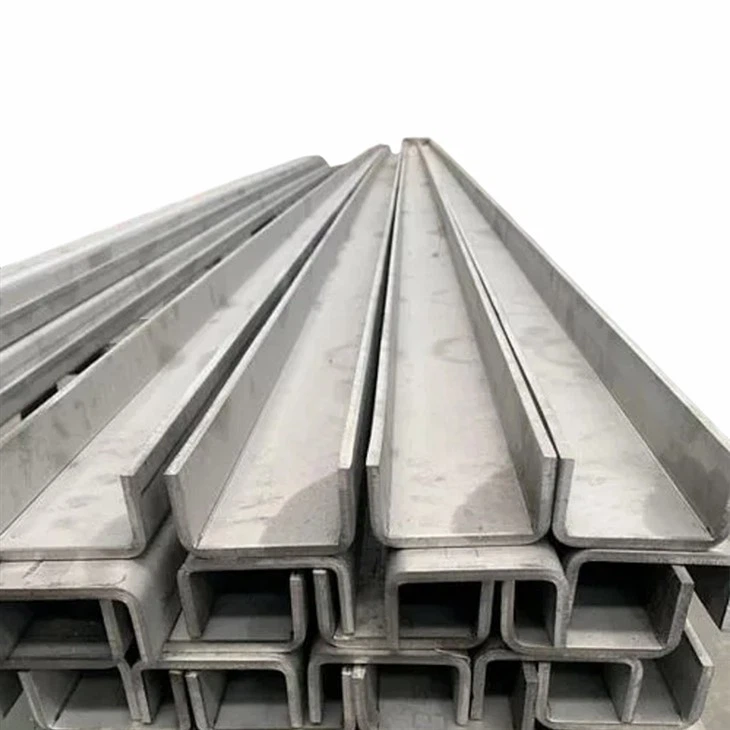
- U Shaped Stainless Steel Channel: U Shaped Stainless Steel Channel has a unique shape that can potentially trap and absorb sound waves to some extent. The U - shape provides more surface area and internal space, which can help in reducing the transmission of sound.
2. Adding Sound - Absorbing Materials
One of the most effective ways to enhance the sound - insulation effect of stainless steel channels is to add sound - absorbing materials. These materials work by converting sound energy into heat energy, thereby reducing the amount of sound that is transmitted through the channel.
- Fiberglass Insulation: Fiberglass is a popular choice for sound absorption. It consists of fine glass fibers that create a porous structure. When sound waves enter the fiberglass, they bounce around within the pores, losing energy in the process. You can wrap the stainless steel channel with fiberglass insulation, either by using pre - cut sheets or by spraying a fiberglass - based insulation material directly onto the channel.
- Acoustic Foam: Acoustic foam is another excellent sound - absorbing material. It is lightweight and easy to install. You can attach acoustic foam panels to the surface of the stainless steel channel using adhesive. The foam's open - cell structure helps to dissipate sound energy, reducing noise transmission.
- Mineral Wool: Mineral wool is made from natural or synthetic minerals. It has good sound - absorption properties and is also fire - resistant. Similar to fiberglass, mineral wool can be wrapped around the stainless steel channel or installed within a frame attached to the channel.
3. Design and Installation Considerations
The design and installation of stainless steel channels can also affect their sound - insulation performance.
- Sealing and Gasketing: Proper sealing is crucial to prevent sound leakage. Use high - quality gaskets and sealants at the joints and connections of the stainless steel channels. This helps to create an airtight barrier, reducing the transmission of sound through gaps.
- Isolation Mounts: Installing isolation mounts between the stainless steel channel and the supporting structure can help to reduce vibration and sound transmission. These mounts act as a buffer, absorbing the energy from vibrations and preventing them from being transferred to the surrounding environment.
- Double - Wall Construction: Consider using a double - wall design for the stainless steel channels. This involves creating an air gap between two layers of stainless steel. The air gap acts as an additional barrier to sound transmission, as sound waves have to travel through the air and then through the second layer of steel, losing energy along the way.
4. Testing and Evaluation
After implementing the sound - insulation measures, it's important to test and evaluate the performance of the stainless steel channels. You can use a sound level meter to measure the sound pressure levels before and after the installation of the insulation materials. Compare the results to determine the effectiveness of the sound - insulation measures.
If the desired sound - insulation level is not achieved, you may need to make further adjustments. This could involve adding more sound - absorbing materials, improving the sealing, or modifying the design of the channels.
Conclusion
Enhancing the sound - insulation effect of stainless steel channels requires a combination of selecting the right materials, adding sound - absorbing materials, and paying attention to design and installation details. By following these strategies, you can significantly improve the acoustic performance of stainless steel channels in various applications.

If you're interested in purchasing high - quality stainless steel channels for your sound - insulation projects, we're here to help. Our team of experts can provide you with the best solutions tailored to your specific needs. Contact us to start a procurement discussion and take the first step towards better sound - insulation in your projects.
References
- "Sound Insulation Handbook" by Chris Rogers
- "Acoustics: An Introduction" by David Croll


