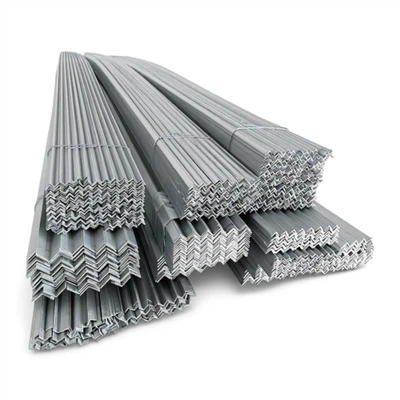
Hey there! As a supplier of L Type Angle Bars, I've seen firsthand just how versatile and crucial these little guys are, especially when it comes to railway tracks. So, let's dive into the various applications of L Type Angle Bars in railway tracks.
1. Track Alignment and Support
One of the primary applications of L Type Angle Bars in railway tracks is to ensure proper alignment and support. Railway tracks need to be straight and stable to allow trains to run smoothly and safely. L Type Angle Bars are used to connect the rails together, providing a rigid structure that helps maintain the correct gauge (the distance between the two rails).
When you think about it, trains are massive and heavy. The weight and force exerted on the tracks can cause the rails to shift over time. That's where our L Type Angle Bar comes in. By attaching these bars at regular intervals along the rails, we create a framework that holds the rails firmly in place. This reduces the risk of derailment and ensures a more comfortable ride for passengers.
For example, in high - speed rail systems, precision is key. The slightest misalignment can lead to significant problems. L Type Angle Bars help in maintaining the exact alignment required for these high - velocity trains. They act as a sort of safety net, keeping the rails in check even under the extreme stress of fast - moving trains.
2. Joint Reinforcement
Rail joints are areas where two rail sections meet. These joints are critical points in the railway track system because they are subject to a lot of stress and wear. L Type Angle Bars are often used to reinforce these joints.
When a train passes over a rail joint, it creates a shockwave. Without proper reinforcement, these joints can become loose or damaged over time. Our L Type Angle Bars are designed to distribute the load evenly across the joint, reducing the stress on any single point. This not only extends the lifespan of the rail joints but also improves the overall integrity of the track.
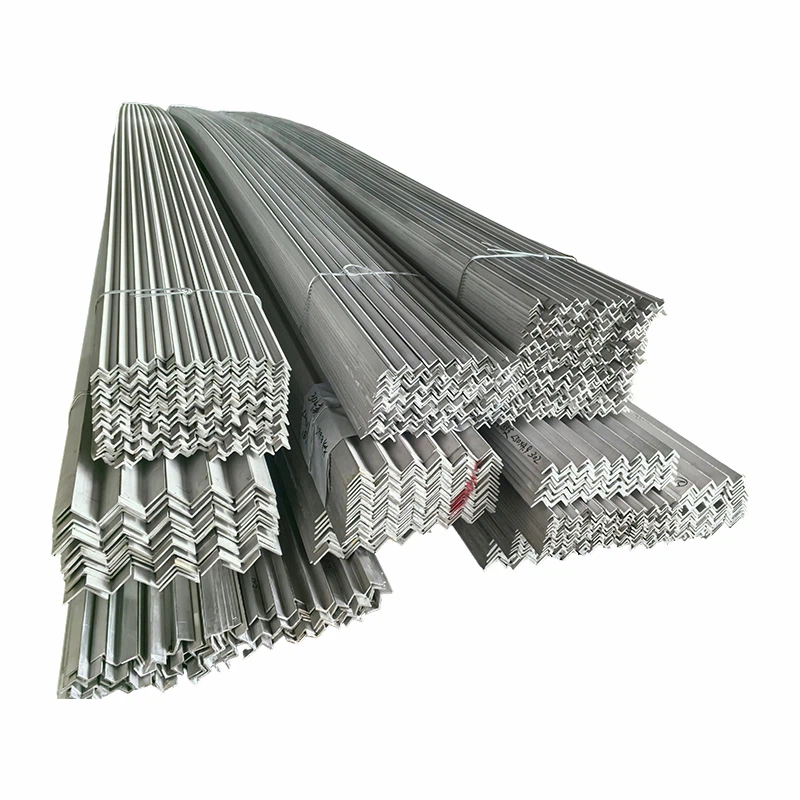

Imagine a busy railway line with hundreds of trains passing through every day. The joints on such a line would be under constant duress. By using Steel Solid Angle Bar at these joints, we can prevent premature failure and costly repairs. The solid construction of these bars provides the necessary strength to withstand the repeated impacts of passing trains.
3. Guard Rail Installation
Guard rails are additional rails installed parallel to the main railway tracks. They serve as a safety feature, preventing trains from derailing onto adjacent tracks or into other areas. L Type Angle Bars play an important role in the installation of guard rails.
These bars are used to secure the guard rails to the sleepers (the cross - ties that support the rails). They provide a stable connection between the guard rail and the rest of the track structure. By using Standard Angle Bar, we can ensure that the guard rails are firmly attached and can perform their safety function effectively.
In areas where there are sharp curves or where the tracks are close to populated areas, guard rails are essential. The L Type Angle Bars used in their installation help in maintaining the correct position and height of the guard rails, which is crucial for their proper operation.
4. Track Bed Stabilization
The track bed, which consists of the ballast (the crushed stones beneath the rails) and the sleepers, needs to be stable to support the weight of the trains. L Type Angle Bars can be used to enhance the stability of the track bed.
They can be used to secure the sleepers to the ballast, preventing them from shifting or moving. This is especially important in areas with soft ground or where there is a risk of soil erosion. By using L Type Angle Bars, we can create a more robust track bed that can better withstand the forces exerted by passing trains.
For instance, in coastal areas where the ground may be more prone to movement due to high tides or soil saturation, L Type Angle Bars can help in keeping the track bed intact. They provide an extra layer of support that helps to prevent the tracks from sinking or becoming uneven.
5. Signal and Communication System Support
Modern railway systems rely heavily on signals and communication systems to ensure safe and efficient operation. L Type Angle Bars can be used to support these systems.
They can be used to mount signal posts, communication cables, and other related equipment. The sturdy construction of the L Type Angle Bars provides a reliable base for these important components. This ensures that the signals are visible and the communication systems are functional at all times.
For example, in a large railway yard with multiple tracks and complex signaling requirements, L Type Angle Bars can be used to install and support the signal masts. This helps in maintaining clear and accurate communication between the trains and the control center, which is essential for the smooth running of the entire railway network.
Why Choose Our L Type Angle Bars?
As a supplier, we take pride in offering high - quality L Type Angle Bars. Our bars are made from top - grade materials that are designed to withstand the harsh conditions of railway track environments. They are corrosion - resistant, which is important considering the exposure to the elements and various chemicals used in track maintenance.
We also offer a range of sizes and specifications to meet the diverse needs of different railway projects. Whether it's a small local railway or a large - scale high - speed rail network, we have the right L Type Angle Bar for the job.
In addition, our team of experts is always on hand to provide technical support and advice. We understand the unique requirements of railway track applications and can help you choose the best solution for your specific project.
If you're involved in a railway track project, whether it's construction, maintenance, or upgrade, we'd love to hear from you. Our L Type Angle Bars can make a significant difference in the performance and longevity of your railway tracks. So, don't hesitate to reach out and start a conversation about your procurement needs. We're here to help you build a safer and more efficient railway system.
References
- Railway Engineering Handbook, various editions.
- Journal of Railway Technology Research, multiple issues.
- Case studies from major railway construction projects around the world.