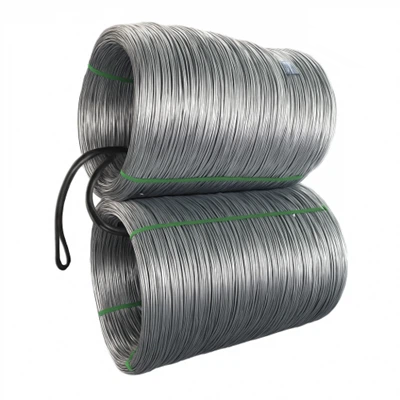
Hey there! As a supplier of 316 stainless steel wire, I get asked a lot about how to prevent it from rusting. Rust is a big no - no when it comes to stainless steel wire, as it can compromise the wire's strength and appearance. In this blog, I'll share some tips and tricks on keeping your 316 stainless steel wire in top - notch condition.
First off, let's understand why 316 stainless steel is so popular. 316 stainless steel contains molybdenum, which gives it better corrosion resistance compared to other types of stainless steel, like 304 Stainless Steel Wire. This makes it a great choice for applications where the wire will be exposed to harsh environments, such as marine settings or chemical processing plants.
1. Proper Storage
One of the simplest ways to prevent rust is to store the 316 stainless steel wire correctly. You don't want to just leave it out in the open where it can be exposed to moisture and air. Instead, keep it in a dry place. If you're storing it in a warehouse, make sure the area is well - ventilated and has low humidity. You can also use desiccants to absorb any excess moisture.
Another thing to consider is the way you stack the wire. Don't stack it too tightly, as this can trap moisture between the coils. Leave some space between the stacks to allow air to circulate. If possible, store the wire on pallets off the ground to prevent it from coming into contact with any dampness on the floor.
2. Cleaning and Maintenance
Regular cleaning is crucial for preventing rust. You should clean the 316 stainless steel wire periodically, especially if it's been exposed to dirt, dust, or other contaminants. Use a mild detergent and warm water to clean the wire. Avoid using abrasive cleaners or scrubbers, as these can scratch the surface of the wire, which can make it more prone to rusting.
After cleaning, make sure to dry the wire thoroughly. You can use a soft cloth or let it air - dry. If you notice any signs of rust starting to form, you can use a stainless - steel cleaner specifically designed to remove rust. Just follow the instructions on the cleaner carefully.
3. Avoiding Contact with Other Metals
316 stainless steel wire can react with other metals, which can lead to galvanic corrosion. This happens when two different metals are in contact with each other in the presence of an electrolyte, like water. So, try to avoid storing the 316 stainless steel wire near other metals, especially those that are more reactive, such as iron or carbon steel.
If you need to use the 316 stainless steel wire in an assembly where it will be in contact with other metals, you can use insulating materials to separate them. For example, you can use plastic or rubber washers to prevent direct contact between the wires.
4. Coating and Passivation
Applying a coating to the 316 stainless steel wire can provide an extra layer of protection against rust. There are different types of coatings available, such as epoxy coatings or powder coatings. These coatings can help to seal the surface of the wire and prevent moisture and oxygen from reaching it.
Passivation is another process that can enhance the corrosion resistance of 316 stainless steel wire. It involves treating the wire with a chemical solution to remove any free iron particles from the surface and create a passive oxide layer. This layer acts as a barrier against corrosion. You can either do passivation yourself if you have the right equipment and knowledge, or you can have it done by a professional.
5. Monitoring the Environment
Keep an eye on the environment where the 316 stainless steel wire is used. If the wire is in an area with high levels of pollutants, such as sulfur dioxide or chlorine, it may be more likely to rust. In such cases, you may need to take extra precautions, like increasing the frequency of cleaning or applying a more protective coating.
Also, be aware of any changes in temperature and humidity. Extreme temperatures and high humidity can accelerate the rusting process. If possible, try to control the environment to keep it within a suitable range for the 316 stainless steel wire.


Comparing with Other Stainless Steel Wires
It's worth comparing 316 stainless steel wire with other types of stainless steel wires, like 304N Stainless Steel Wire and 316L Stainless Steel Wire. 304N stainless steel wire has good corrosion resistance, but it doesn't contain molybdenum like 316 stainless steel, so it may not be as suitable for harsh environments. 316L stainless steel wire is similar to 316, but it has a lower carbon content, which makes it more resistant to sensitization and better for welding applications.
Conclusion
Preventing 316 stainless steel wire from rusting is all about taking the right steps in storage, cleaning, and maintenance. By following these tips, you can ensure that your 316 stainless steel wire stays in great condition for a long time.
If you're in the market for high - quality 316 stainless steel wire or have any questions about rust prevention, feel free to reach out. We're here to help you make the best choice for your needs.
References
- "Stainless Steel Handbook" by ASM International
- Various industry reports on stainless steel corrosion prevention.