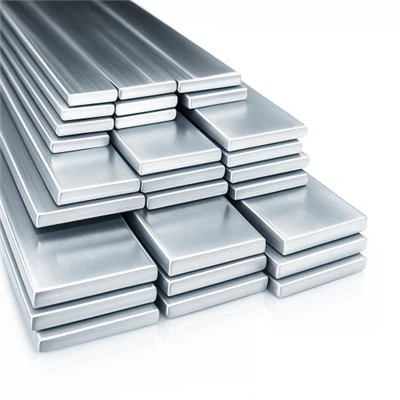
Hey there! As a supplier of welding angle bars, I've been in the thick of the welding game for quite some time. Mass - producing angle bar joints is no walk in the park. It comes with its own set of challenges, but with the right optimization, you can streamline the process and boost your production efficiency. In this blog, I'm gonna share some tips on how to optimize the welding process for mass - producing angle bar joints.
Understanding the Basics of Angle Bars
First off, let's talk a bit about angle bars. There are different types out there, like the Steel Solid Angle Bar, L Type Angle Bar, and Stainless Steel 304 Angle Bar. Each type has its own unique properties and uses. Steel solid angle bars are known for their strength and durability, making them great for heavy - duty applications. L type angle bars, as the name suggests, have an L - shaped cross - section and are often used in structural support. Stainless steel 304 angle bars offer corrosion resistance, which is crucial in environments where rust is a concern.
Pre - Welding Preparation
One of the most important steps in optimizing the welding process is proper pre - welding preparation. You gotta make sure the angle bars are clean and free from any contaminants like rust, oil, or dirt. These impurities can cause defects in the weld, such as porosity or lack of fusion. You can use a wire brush or a grinder to clean the surfaces that will be welded.
Another key aspect is joint design. The way you design the joint between the angle bars can have a big impact on the quality of the weld. For mass production, a simple and consistent joint design is usually the way to go. A common joint design for angle bars is the fillet weld joint. It's relatively easy to execute and provides good strength.
Selecting the Right Welding Process
There are several welding processes available, and choosing the right one is crucial for mass - producing angle bar joints. Some of the popular welding processes include MIG (Metal Inert Gas) welding, TIG (Tungsten Inert Gas) welding, and Stick welding.
MIG welding is a great choice for mass production. It's fast, efficient, and relatively easy to learn. With MIG welding, you use a continuous wire electrode that is fed through a welding gun. The process also uses a shielding gas to protect the weld from atmospheric contamination. This results in a clean and strong weld.
TIG welding, on the other hand, is more precise and produces high - quality welds. However, it's slower than MIG welding and requires more skill. TIG welding is often used when you need a very clean and aesthetically pleasing weld, or when working with thinner angle bars.
Stick welding is a versatile process that can be used in a variety of conditions. It's a good option if you're working in a dirty or outdoor environment. But it's not as fast as MIG welding, and the quality of the weld can be a bit more inconsistent.
Welding Parameters
Once you've selected the welding process, you need to set the right welding parameters. These include things like welding current, voltage, and travel speed. The welding current determines the heat input into the weld. If the current is too low, the weld may not penetrate properly, and if it's too high, you can end up with excessive spatter and a distorted weld.


The voltage affects the arc length. A proper arc length is important for a stable and consistent weld. The travel speed is how fast you move the welding gun along the joint. If you move too fast, the weld may be incomplete, and if you move too slow, you can overheat the angle bars.
Quality Control
Quality control is essential in mass - producing angle bar joints. You need to have a system in place to check the quality of the welds regularly. This can include visual inspection, where you look for any obvious defects like cracks, porosity, or lack of fusion. You can also use non - destructive testing methods like ultrasonic testing or X - ray testing to detect internal defects.
If you find any defects, you need to take corrective action immediately. This may involve re - welding the joint or adjusting the welding parameters. By catching and fixing defects early, you can prevent costly rework and ensure that your products meet the required standards.
Automation and Robotics
For large - scale mass production, automation and robotics can be a game - changer. Automated welding systems can perform repetitive tasks with high precision and consistency. They can also work 24/7, which can significantly increase your production output.
Robotic welding systems are especially useful for complex joint geometries or when high - quality welds are required. They can be programmed to follow a specific path and adjust the welding parameters in real - time. However, implementing automation and robotics requires a significant investment in equipment and training.
Employee Training
Your employees are the backbone of your mass - production operation. Proper training is essential to ensure that they can operate the welding equipment safely and efficiently. Training should cover everything from basic welding techniques to advanced troubleshooting.
You should also encourage your employees to stay updated on the latest welding technologies and best practices. This can help them improve their skills and contribute to the optimization of the welding process.
Cost Optimization
In addition to improving quality and efficiency, you also need to keep an eye on costs. You can optimize costs by reducing waste, such as excess welding wire or shielding gas. You can also look for ways to increase the productivity of your welding equipment. For example, you can use faster - feeding wire systems or more efficient shielding gas mixtures.
Another way to save costs is to negotiate better prices with your suppliers. By building long - term relationships with your suppliers, you may be able to get better deals on angle bars and other welding consumables.
Conclusion
Optimizing the welding process for mass - producing angle bar joints is a multi - faceted task. It involves everything from pre - welding preparation to quality control and cost optimization. By following the tips I've shared in this blog, you can improve the quality of your welds, increase your production efficiency, and reduce costs.
If you're in the market for high - quality welding angle bars or have any questions about the welding process, I'd love to hear from you. Reach out to me, and we can start a conversation about how I can meet your needs. Whether you're a small - scale fabricator or a large - scale manufacturer, I'm here to help you succeed in your mass - production endeavors.
References
- AWS Welding Handbook, American Welding Society
- Welding Metallurgy, John C. Lippold and David L. Kotecki
- Modern Welding Technology, David A. Madsen