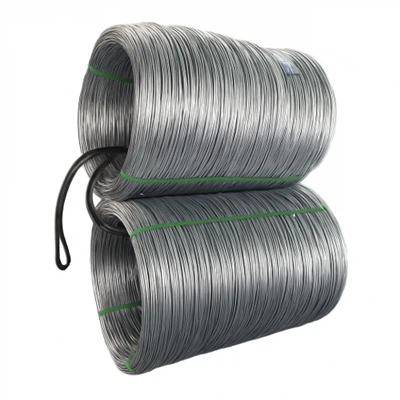
Hey there! As a supplier of stainless steel flat bars, I've seen my fair share of installation projects. Whether you're a DIY enthusiast or a professional contractor, installing stainless steel flat bars can be a straightforward process if you know the right steps. In this blog post, I'll walk you through the process of installing stainless steel flat bars, from preparation to the final touches.


Preparation
Before you start installing your stainless steel flat bar, you'll need to gather a few tools and materials. Here's a list of what you'll need:
- Measuring tape
- Pencil or marker
- Drill
- Drill bits (appropriate for stainless steel)
- Screwdriver or impact driver
- Screws or bolts (stainless steel recommended)
- Wrench or socket set
- Safety glasses
- Gloves
Once you have all your tools and materials ready, it's time to measure and mark the area where you'll be installing the flat bar. Use a measuring tape to determine the length and width of the area, and mark the measurements with a pencil or marker. Make sure your measurements are accurate, as this will ensure a proper fit for your flat bar.
Cutting the Flat Bar
If your flat bar needs to be cut to size, you can use a hacksaw, circular saw, or angle grinder. When cutting stainless steel, it's important to use a blade or wheel that's designed for cutting metal. This will help prevent the blade from dulling or breaking, and it will also ensure a clean, precise cut.
Before you start cutting, make sure you have a stable surface to work on, and secure the flat bar in place using clamps or a vise. This will prevent the bar from moving or vibrating while you're cutting, which could result in an uneven or inaccurate cut.
Once you've made your cut, use a file or sandpaper to smooth the edges of the flat bar. This will help prevent any sharp edges or burrs from causing injury, and it will also give your installation a professional look.
Drilling Holes
If you're using screws or bolts to attach the flat bar, you'll need to drill holes in the bar and the surface where it will be installed. When drilling stainless steel, it's important to use a drill bit that's designed for cutting metal. This will help prevent the bit from dulling or breaking, and it will also ensure a clean, precise hole.
Before you start drilling, mark the locations of the holes on the flat bar and the surface using a pencil or marker. Make sure the holes are evenly spaced and aligned, as this will ensure a proper fit for your screws or bolts.
Once you've marked the locations of the holes, use a drill to create the holes. Start with a small drill bit and gradually increase the size of the bit until you reach the desired diameter. Make sure you drill the holes straight and perpendicular to the surface, as this will ensure a secure and stable installation.
Installing the Flat Bar
Once you've cut the flat bar to size and drilled the holes, it's time to install the bar. Start by positioning the flat bar in place on the surface where it will be installed, and align the holes in the bar with the holes in the surface.
Next, insert the screws or bolts through the holes in the bar and the surface, and tighten them using a screwdriver or impact driver. Make sure the screws or bolts are tightened securely, but don't overtighten them, as this could damage the bar or the surface.
If you're using bolts, you may need to use a wrench or socket set to tighten the nuts on the bolts. Make sure the nuts are tightened securely, but don't overtighten them, as this could damage the bar or the surface.
Finishing Touches
Once you've installed the flat bar, you may want to add some finishing touches to give your installation a professional look. You can use a stainless steel cleaner or polish to clean and shine the bar, or you can apply a clear coat or paint to protect the bar from corrosion and damage.
If you're using the flat bar in an outdoor or high-moisture environment, you may want to consider using a rust-resistant coating or paint to protect the bar from rust and corrosion. This will help ensure the longevity and durability of your installation.
Conclusion
Installing stainless steel flat bars is a relatively simple process that can be completed by anyone with basic DIY skills. By following the steps outlined in this blog post, you can ensure a proper fit and a secure installation for your flat bar.
If you're in the market for high-quality stainless steel flat bars, be sure to check out our selection of Flat Bar Stock, Black Steel Flat Bar, and 410 Stainless Steel Flat Bar. We offer a wide range of sizes and thicknesses to meet your specific needs, and our prices are competitive.
If you have any questions or need help with your installation, please don't hesitate to contact us. We're here to help you every step of the way, from selecting the right flat bar to completing your installation.
References
- "Stainless Steel Installation Guide." Metal Supermarkets.
- "How to Cut and Drill Stainless Steel." The Family Handyman.