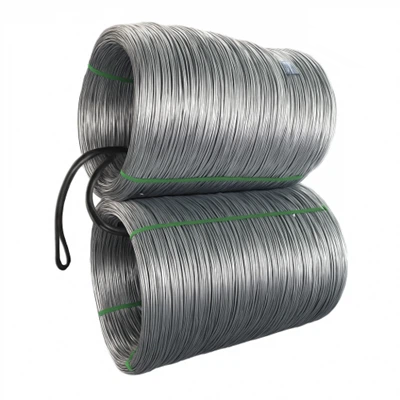
When it comes to stainless steel wires, two of the most commonly discussed types are 316 stainless steel wire and 304 stainless steel wire. As a supplier of 316 Stainless Steel Wire, I've had the opportunity to work closely with both materials and understand their unique characteristics, applications, and performance. In this blog post, I'll delve into a detailed comparison between these two types of stainless steel wires to help you make an informed decision for your specific needs.
Chemical Composition
The chemical composition of stainless steel plays a crucial role in determining its properties. 304 stainless steel wire is primarily composed of 18% chromium and 8% nickel. This combination gives it good corrosion resistance and a relatively high strength. The chromium forms a passive oxide layer on the surface of the wire, which protects it from oxidation and corrosion in many environments.
On the other hand, 316 stainless steel wire contains 16% chromium, 10% nickel, and 2% molybdenum. The addition of molybdenum is the key differentiator between the two. Molybdenum enhances the corrosion resistance of 316 stainless steel, especially in environments containing chlorides such as seawater, brine solutions, and some industrial chemicals. This makes 316 stainless steel wire a better choice for applications where exposure to harsh, corrosive conditions is expected.
Corrosion Resistance
As mentioned earlier, the corrosion resistance of stainless steel is largely determined by its chemical composition. 304 stainless steel wire offers good general corrosion resistance in a variety of environments, including most food and beverage applications, normal atmospheric conditions, and mild chemical environments. However, in the presence of chlorides, such as in coastal areas or in industries that use saltwater or brine, 304 stainless steel can be susceptible to pitting corrosion and crevice corrosion.
316 stainless steel wire, with its molybdenum content, provides significantly better corrosion resistance in chloride-rich environments. It is widely used in marine applications, such as shipbuilding, offshore platforms, and coastal structures, where it can withstand the corrosive effects of saltwater for extended periods. Additionally, 316 stainless steel is also preferred in chemical processing plants, pharmaceutical industries, and food processing equipment where exposure to corrosive chemicals or high humidity is common.
Strength and Durability
Both 304 and 316 stainless steel wires have good strength and durability. The strength of the wire is influenced by factors such as the alloy composition, manufacturing process, and wire diameter. Generally, 304 stainless steel wire has a slightly higher tensile strength than 316 stainless steel wire of the same diameter. However, this difference in strength is not significant in most applications.
In terms of durability, both materials are resistant to wear and tear, and they can maintain their shape and integrity over a long period. However, 316 stainless steel wire's superior corrosion resistance contributes to its longer lifespan in harsh environments. By preventing corrosion, 316 stainless steel wire reduces the risk of structural failure and extends the service life of the components made from it.
Weldability
Weldability is an important consideration when using stainless steel wires, especially in applications where the wire needs to be joined to other components. Both 304 and 316 stainless steel wires have good weldability. However, 316 stainless steel may require additional care during welding due to its higher nickel and molybdenum content.
When welding 316 stainless steel wire, it is important to use appropriate welding techniques and filler materials to ensure the integrity of the weld joint. Using a filler material with a similar composition to 316 stainless steel helps to maintain the corrosion resistance and mechanical properties of the welded area. Additionally, proper pre - and post - welding heat treatment may be necessary to prevent the formation of carbide precipitation and maintain the corrosion resistance of the welded joint.
Heat Resistance
Both 304 and 316 stainless steel wires have good heat resistance. They can withstand high temperatures without significant deformation or loss of strength. However, 316 stainless steel has a slightly better heat resistance than 304 stainless steel, especially at elevated temperatures in corrosive environments.
In applications where the wire is exposed to high temperatures and corrosive gases, such as in exhaust systems, furnace components, and heat exchangers, 316 stainless steel wire is often the preferred choice. Its ability to resist oxidation and corrosion at high temperatures ensures the long - term performance and reliability of the components.
Applications
The differences in the properties of 304 and 316 stainless steel wires lead to different applications. 304 stainless steel wire is widely used in a variety of applications where good corrosion resistance and moderate strength are required. Some common applications include:
- Food and beverage industry: 304 stainless steel wire is used in food processing equipment, such as conveyor belts, sieves, and storage tanks, because it is non - toxic and resistant to corrosion from food acids and other substances.
- Architectural applications: It is used in building facades, handrails, and decorative elements due to its aesthetic appeal and corrosion resistance in normal atmospheric conditions.
- General manufacturing: 304 stainless steel wire is used in a wide range of manufacturing processes, such as wire mesh production, spring manufacturing, and cable making.
316 stainless steel wire, with its superior corrosion resistance, is used in more demanding applications, including:


- Marine applications: As mentioned earlier, 316 stainless steel wire is widely used in shipbuilding, offshore platforms, and coastal structures due to its ability to withstand the corrosive effects of saltwater.
- Chemical and pharmaceutical industries: It is used in equipment and piping systems that handle corrosive chemicals and pharmaceutical products.
- Medical applications: 316 stainless steel wire is used in medical devices and implants due to its biocompatibility and corrosion resistance in the human body.
Cost
Cost is an important factor in any material selection. Generally, 316 stainless steel wire is more expensive than 304 stainless steel wire. The higher cost of 316 stainless steel is mainly due to the addition of molybdenum and the higher nickel content. However, when considering the long - term cost, 316 stainless steel wire may be more cost - effective in applications where its superior corrosion resistance can prevent costly repairs and replacements.
Conclusion
In conclusion, the choice between 316 stainless steel wire and 304 stainless steel wire depends on the specific requirements of your application. If you are working in a normal atmospheric environment or a mild chemical environment and cost is a major concern, 304 stainless steel wire may be a suitable choice. However, if your application involves exposure to chloride - rich environments, high temperatures, or corrosive chemicals, 316 stainless steel wire is the better option due to its superior corrosion resistance, heat resistance, and durability.
As a supplier of 316 Stainless Steel Wire, I am committed to providing high - quality products and professional advice to help you select the right stainless steel wire for your needs. If you are interested in learning more about our products or have any questions regarding the selection of stainless steel wire, please feel free to contact us for further discussion. We look forward to working with you to meet your requirements.
Other Related Stainless Steel Wires
If you are also considering other types of stainless steel wires, you may want to check out 304L Stainless Steel Wire and 420 HC Stainless Steel Wire. These wires have their own unique properties and applications, and our team can provide more detailed information based on your specific needs.
References
- ASM Handbook Volume 13A: Corrosion: Fundamentals, Testing, and Protection
- Stainless Steel World Magazine
- The Nickel Institute