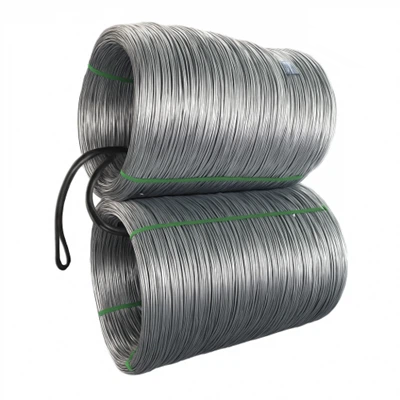
Hey there! I'm a supplier of 316 Round Bars, and I know how crucial it is to ensure the consistency of properties in a batch of these bars. In this blog, I'll share some tips and tricks that I've learned over the years to help you maintain that all - important consistency.
First off, let's talk about what 316 Round Bars are. 316 Round Bars are a type of stainless - steel bar that's widely used in various industries, thanks to their excellent corrosion resistance, high strength, and good formability. You can find more details about them on this page: 316 Round Bar.
Raw Material Selection
The journey to consistent 316 Round Bars starts with the selection of raw materials. You've got to be super picky here. When I'm sourcing the raw materials for my 316 Round Bars, I always make sure to work with trusted suppliers. I check the chemical composition of the raw steel thoroughly. The chemical composition of 316 stainless steel should typically contain around 16 - 18% chromium, 10 - 14% nickel, and 2 - 3% molybdenum. Any deviation from these ranges can lead to inconsistent properties in the final product.
I also look at the physical properties of the raw steel, like its hardness and density. If the raw material has inconsistent physical properties, it's going to be a real headache down the line. For example, if the hardness varies across the raw steel, it can cause uneven machining and affect the overall quality of the 316 Round Bars.
Melting and Refining Process
Once the raw materials are selected, the next step is the melting and refining process. This is where the magic happens, but it also requires a lot of attention to detail. I use electric arc furnaces to melt the raw steel. The temperature in the furnace needs to be carefully controlled. If it's too low, the steel won't melt properly, and if it's too high, it can cause excessive oxidation and affect the chemical composition.
During the melting process, I also add alloying elements to ensure that the chemical composition of the steel meets the required standards. After melting, the steel goes through a refining process to remove impurities. This can involve processes like ladle refining or vacuum degassing. These processes help to improve the cleanliness of the steel and ensure that the properties of the 316 Round Bars are consistent.
Rolling and Forming
After the steel is melted and refined, it's time for rolling and forming. This is where the steel is shaped into round bars. The rolling process needs to be carefully controlled to ensure that the bars have a uniform diameter and surface finish. I use precision rolling mills to achieve this. The speed of the rolling mill, the pressure applied, and the temperature of the steel all play a role in determining the final properties of the bars.
For example, if the rolling speed is too fast, it can cause the bars to have a non - uniform grain structure, which can affect their mechanical properties. On the other hand, if the pressure is too low, the bars may not have the desired shape or density. I also make sure to perform regular quality checks during the rolling process to catch any issues early on.
Heat Treatment
Heat treatment is another critical step in ensuring the consistency of properties in 316 Round Bars. After rolling, the bars are heat - treated to improve their mechanical properties, such as hardness, strength, and toughness. There are different types of heat treatment processes, such as annealing, quenching, and tempering.
For 316 Round Bars, annealing is often used to relieve internal stresses and improve the ductility of the bars. The annealing process involves heating the bars to a specific temperature and then slowly cooling them. The temperature and time of the annealing process need to be carefully controlled. If the temperature is too high or the time is too long, it can cause the bars to become too soft. If the temperature is too low or the time is too short, the internal stresses may not be fully relieved.
Quality Control
Quality control is an ongoing process that starts from the raw material selection and continues throughout the entire manufacturing process. I have a team of quality control experts who perform various tests on the 316 Round Bars. These tests include chemical analysis, mechanical testing, and non - destructive testing.
Chemical analysis is used to ensure that the chemical composition of the bars meets the required standards. Mechanical testing, such as tensile testing and hardness testing, is used to evaluate the mechanical properties of the bars. Non - destructive testing, such as ultrasonic testing and magnetic particle testing, is used to detect any internal defects in the bars.
I also keep detailed records of all the tests and inspections. This helps me to track the quality of the bars and identify any trends or issues. If I notice any inconsistencies in the test results, I immediately investigate the root cause and take corrective actions.
Comparison with Other Types of Bars
It's also interesting to compare 316 Round Bars with other types of bars, like Inconel 625 Bar Stock and 420 Stainless Steel Round Bar. Inconel 625 Bar Stock is known for its high - temperature resistance and excellent corrosion resistance in harsh environments. It's often used in aerospace and chemical processing industries.
On the other hand, 420 Stainless Steel Round Bar is a martensitic stainless steel that's known for its high hardness and wear resistance. It's commonly used in applications where high strength and hardness are required, such as cutlery and surgical instruments. While 316 Round Bars have their own unique properties, understanding the differences between these types of bars can help customers make more informed decisions.
Conclusion
Ensuring the consistency of properties in a batch of 316 Round Bars is a complex process that requires attention to detail at every step. From raw material selection to quality control, every decision and action can have an impact on the final product. By following the tips and best practices that I've shared in this blog, you can increase the chances of producing high - quality, consistent 316 Round Bars.
If you're in the market for 316 Round Bars and want to ensure that you're getting a product with consistent properties, don't hesitate to reach out. I'm here to help you with all your 316 Round Bar needs. Whether you have questions about the manufacturing process, the properties of the bars, or you're ready to place an order, just let me know.


References
- ASM Handbook Volume 13A: Corrosion: Fundamentals, Testing, and Protection
- Metals Handbook Desk Edition, Third Edition
- Stainless Steel - A Practical Guide by Ian E. Campbell