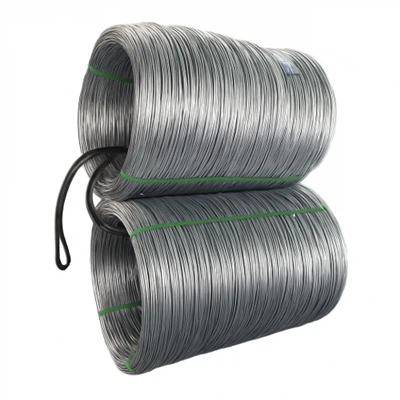
As a supplier of 304 stainless steel wire, I understand the pivotal role that surface quality plays in the performance and marketability of our products. The surface quality of 304 stainless steel wire not only affects its aesthetic appeal but also influences its corrosion resistance, mechanical properties, and overall functionality. In this blog post, I will share some insights and strategies on how to control the surface quality of 304 stainless steel wire.
Understanding the Factors Affecting Surface Quality
Before delving into the control measures, it is essential to understand the various factors that can impact the surface quality of 304 stainless steel wire. These factors can be broadly categorized into raw material quality, manufacturing processes, and environmental conditions.
Raw Material Quality
The quality of the raw materials used in the production of 304 stainless steel wire is the foundation for achieving excellent surface quality. Impurities, such as sulfur, phosphorus, and non - metallic inclusions, can lead to surface defects. For example, sulfur can form iron sulfide inclusions, which are brittle and can cause cracks during processing. Therefore, it is crucial to source high - quality raw materials with low impurity levels.


Manufacturing Processes
- Hot Rolling: During hot rolling, the high temperature can cause oxidation on the surface of the steel wire. If the oxidation scale is not properly removed, it can lead to surface roughness and unevenness. Additionally, improper rolling parameters, such as excessive rolling force or incorrect rolling speed, can cause surface cracks or scratches.
- Cold Drawing: Cold drawing is a critical process for reducing the diameter of the steel wire. However, if the lubrication during cold drawing is insufficient, it can result in severe friction between the wire and the die, leading to surface scoring and abrasion. Moreover, the die wear can also affect the surface finish of the wire.
- Heat Treatment: Heat treatment is used to improve the mechanical properties of the steel wire. However, improper heat treatment can cause surface decarburization, which reduces the corrosion resistance and hardness of the surface layer.
Environmental Conditions
The environment in which the steel wire is produced, stored, and transported can also affect its surface quality. Humidity, temperature, and the presence of corrosive substances in the air can cause rusting and corrosion on the surface of the wire. For example, in a coastal area with high humidity and salt - laden air, the steel wire is more prone to corrosion.
Strategies for Controlling Surface Quality
Raw Material Control
- Supplier Selection: Establish strict supplier evaluation criteria. Conduct regular audits of suppliers to ensure that they have a reliable quality control system. Request quality certificates and test reports for each batch of raw materials to verify their chemical composition and impurity levels.
- In - house Testing: Implement in - house testing procedures for incoming raw materials. Use advanced analytical techniques, such as spectroscopy, to accurately determine the chemical composition of the raw materials. This can help detect any potential quality issues before the production process begins.
Manufacturing Process Optimization
- Hot Rolling Optimization:
- Scale Removal: Use effective scale removal methods, such as pickling or mechanical descaling, to remove the oxidation scale formed during hot rolling. Pickling involves immersing the wire in an acid solution to dissolve the scale, while mechanical descaling uses abrasive tools to physically remove the scale.
- Rolling Parameter Adjustment: Optimize the rolling parameters based on the properties of the raw materials. Conduct trials to determine the appropriate rolling force, speed, and reduction ratio to ensure a smooth surface finish.
- Cold Drawing Improvement:
- Lubrication Management: Select high - quality lubricants that are suitable for the cold - drawing process. Regularly monitor the lubricant quality and replenish or replace it as needed. Ensure that the lubricant is evenly applied to the wire surface to reduce friction.
- Die Maintenance: Regularly inspect and maintain the drawing dies. Replace worn - out dies in a timely manner to ensure a consistent surface finish. Use advanced die materials with high wear resistance to prolong the service life of the dies.
- Heat Treatment Control:
- Atmosphere Control: Use controlled atmospheres, such as nitrogen or hydrogen, during heat treatment to prevent surface decarburization. These inert or reducing atmospheres can protect the surface of the wire from oxidation and carbon loss.
- Temperature and Time Control: Accurately control the heat treatment temperature and time according to the specific requirements of the steel wire. Use temperature sensors and controllers to ensure precise temperature regulation.
Environmental Management
- Production Environment: Keep the production environment clean and dry. Install ventilation systems to remove dust and corrosive gases. Control the humidity and temperature in the production workshop within a suitable range.
- Storage and Transportation: Store the steel wire in a dry and well - ventilated warehouse. Use protective coatings or packaging materials to prevent corrosion during storage and transportation. For example, plastic wrapping can provide a barrier against moisture and oxygen.
Quality Inspection and Monitoring
In - process Inspection
- Visual Inspection: Conduct regular visual inspections during the manufacturing process. Trained operators can detect obvious surface defects, such as cracks, scratches, and oxidation spots. Visual inspection can be carried out using magnifying glasses or under proper lighting conditions.
- Non - destructive Testing: Use non - destructive testing methods, such as ultrasonic testing and eddy - current testing, to detect internal and surface defects that are not visible to the naked eye. Ultrasonic testing can detect internal cracks, while eddy - current testing is sensitive to surface defects and changes in the electrical conductivity of the surface layer.
Final Product Inspection
- Surface Roughness Measurement: Use surface roughness measuring instruments to measure the surface roughness of the final product. This can ensure that the surface finish meets the required standards.
- Corrosion Resistance Testing: Conduct corrosion resistance tests, such as salt - spray tests, to evaluate the ability of the steel wire to resist corrosion. The test results can help determine if the surface quality is sufficient for the intended application.
Related Products and Their Surface Quality Considerations
In addition to 304 stainless steel wire, we also offer other types of stainless steel wires, such as Stainless Steel 1.4529, Alloy 926, UNS N08926, 403 Stainless Steel Spring Wire, and 316 Stainless Steel Spring Wire. Each of these products has its own unique requirements for surface quality.
- Stainless Steel 1.4529, Alloy 926, UNS N08926: This alloy is known for its excellent corrosion resistance in harsh environments. Therefore, strict control of surface quality is essential to maintain its corrosion - resistant properties. Any surface defects can act as initiation points for corrosion.
- 403 Stainless Steel Spring Wire: Surface quality is crucial for 403 stainless steel spring wire as it affects the fatigue life of the springs. Smooth and defect - free surfaces can reduce stress concentration and improve the overall performance of the springs.
- 316 Stainless Steel Spring Wire: Similar to 403 stainless steel spring wire, the surface quality of 316 stainless steel spring wire impacts its corrosion resistance and mechanical properties. A high - quality surface finish can enhance the durability of the springs, especially in applications where they are exposed to moisture or corrosive substances.
Conclusion
Controlling the surface quality of 304 stainless steel wire is a comprehensive process that involves raw material control, manufacturing process optimization, environmental management, and quality inspection. By understanding the factors that affect surface quality and implementing appropriate control strategies, we can produce high - quality steel wire with excellent surface finish, corrosion resistance, and mechanical properties.
If you are interested in our 304 stainless steel wire or other related products, and want to discuss your specific requirements, please feel free to contact us for further procurement and negotiation. We are committed to providing you with the best products and services.
References
- ASM Handbook Volume 13A: Corrosion: Fundamentals, Testing, and Protection.
- Metals Handbook, Volume 2: Properties and Selection: Nonferrous Alloys and Special - Purpose Materials.
- "Surface Engineering for Corrosion and Wear Resistance" by A. K. Singh and S. K. Choudhary.