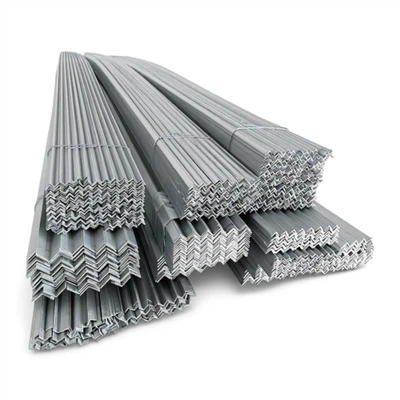
When it comes to construction, manufacturing, or various industrial applications, steel solid angle bars are a staple due to their versatility and strength. As a supplier of Steel Solid Angle Bar, I understand the importance of not only providing high - quality products but also helping customers understand the cost - effectiveness of using these materials. In this blog, I'll guide you through the process of calculating the cost - effectiveness of steel solid angle bars, which will enable you to make more informed purchasing decisions.
Understanding the Basics of Steel Solid Angle Bars
Steel solid angle bars, also known as angle irons, are L - shaped cross - section bars that are commonly used in structural support, frames, and bracing. They come in various sizes, thicknesses, and materials, such as Stainless Steel 304 Angle Bar, each with its own unique properties and price points. The choice of angle bar depends on the specific requirements of your project, including load - bearing capacity, corrosion resistance, and aesthetic considerations.
Factors Affecting the Cost of Steel Solid Angle Bars
- Material Costs: The type of steel used in the angle bar is a significant factor in determining its cost. Stainless steel, for example, is more expensive than carbon steel due to its corrosion - resistant properties. The grade of stainless steel, such as 304 or 316, also affects the price, with higher - grade materials generally costing more.
- Size and Dimensions: The size and dimensions of the angle bar, including leg length, thickness, and overall length, directly impact its cost. Larger and thicker angle bars require more raw material and are more expensive to produce.
- Manufacturing Process: The manufacturing process used to produce the angle bar can also affect its cost. Hot - rolled angle bars are generally less expensive than cold - rolled ones, as the hot - rolling process is more efficient and requires less energy.
- Market Conditions: The cost of steel is subject to market fluctuations, which are influenced by factors such as supply and demand, raw material prices, and global economic conditions. When the demand for steel is high or the supply is limited, the price of angle bars tends to increase.
Calculating the Cost - Effectiveness of Steel Solid Angle Bars
To calculate the cost - effectiveness of using steel solid angle bars, you need to consider both the initial cost and the long - term benefits. Here's a step - by - step guide to help you make this calculation:


Step 1: Determine the Initial Cost
- Price per Unit: Obtain quotes from different suppliers to compare the prices of steel solid angle bars. Make sure to specify the exact size, material, and quantity you need to get accurate quotes.
- Total Cost: Multiply the price per unit by the quantity of angle bars required for your project to calculate the total initial cost.
Step 2: Evaluate the Long - Term Benefits
- Durability and Lifespan: Consider the durability and lifespan of the angle bars. High - quality angle bars made from corrosion - resistant materials, such as stainless steel, may have a longer lifespan and require less maintenance over time, which can result in cost savings in the long run.
- Load - Bearing Capacity: Ensure that the angle bars you choose have sufficient load - bearing capacity for your project. Using under - sized or low - quality angle bars may lead to structural failures and costly repairs or replacements.
- Energy Efficiency: In some cases, the use of steel solid angle bars can contribute to energy efficiency. For example, in building construction, angle bars can be used to support insulation materials, reducing heat loss and energy consumption.
Step 3: Calculate the Cost - Benefit Ratio
- Total Cost of Ownership: Calculate the total cost of ownership by adding the initial cost of the angle bars to the estimated cost of maintenance, repairs, and replacements over their lifespan.
- Benefits: Quantify the benefits of using the angle bars, such as increased durability, reduced maintenance, and energy savings.
- Cost - Benefit Ratio: Divide the total cost of ownership by the total benefits to calculate the cost - benefit ratio. A lower cost - benefit ratio indicates greater cost - effectiveness.
Example Calculation
Let's assume you are working on a small building project and need to purchase L Type Angle Bar for structural support. You have two options:
- Option A: Carbon steel angle bars with a price of $10 per foot. These angle bars have a lifespan of 10 years and require regular maintenance, with an estimated annual maintenance cost of $2 per foot.
- Option B: Stainless steel 304 angle bars with a price of $20 per foot. These angle bars have a lifespan of 20 years and require minimal maintenance, with an estimated annual maintenance cost of $0.50 per foot.
- Calculate the Total Cost of Ownership for Option A
- Initial Cost: $10 per foot
- Maintenance Cost over 10 years: $2 per foot * 10 years = $20 per foot
- Total Cost of Ownership: $10 + $20 = $30 per foot
- Calculate the Total Cost of Ownership for Option B
- Initial Cost: $20 per foot
- Maintenance Cost over 20 years: $0.50 per foot * 20 years = $10 per foot
- Total Cost of Ownership: $20 + $10 = $30 per foot
In this example, both options have the same total cost of ownership. However, the stainless steel angle bars in Option B offer a longer lifespan and require less maintenance, making them a more cost - effective choice in the long run.
Conclusion
Calculating the cost - effectiveness of using steel solid angle bars is essential for making informed purchasing decisions. By considering factors such as material costs, size and dimensions, manufacturing process, and long - term benefits, you can determine the most suitable angle bar for your project while ensuring that you get the best value for your money. As a supplier of steel solid angle bars, I am committed to providing high - quality products at competitive prices and helping you find the most cost - effective solutions for your needs. If you have any questions or need assistance with your project, please don't hesitate to contact me for a consultation. We are here to help you make the right choice for your project and ensure its success.
References
- "Steel Construction Manual," American Institute of Steel Construction
- "Materials Science and Engineering: An Introduction," William D. Callister Jr. and David G. Rethwisch