Bending stainless steel channel without cracking is a crucial skill in various industries, from construction to manufacturing. As a stainless steel channel supplier, I've encountered numerous challenges and learned effective techniques over the years. In this blog post, I'll share valuable insights on how to achieve successful bends without compromising the integrity of the material.

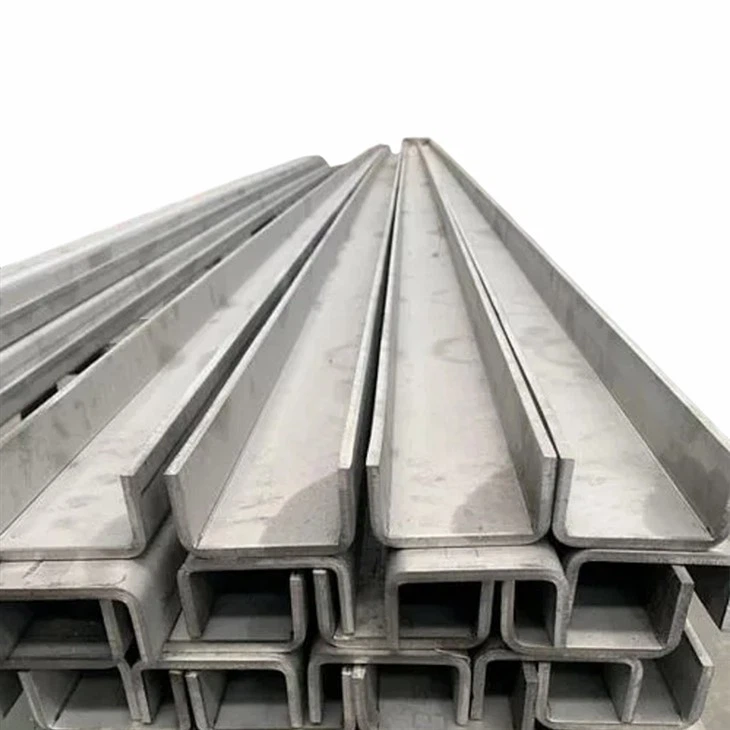
Understanding Stainless Steel Channel
Before delving into the bending process, it's essential to understand the characteristics of stainless steel channel. Stainless steel is a versatile material known for its corrosion resistance, strength, and aesthetic appeal. There are different grades of stainless steel, with 304 Stainless Channel and 316 Stainless Steel Channel being among the most commonly used.
- 304 Stainless Channel: This grade is widely used due to its excellent corrosion resistance and affordability. It contains chromium and nickel, which provide a protective layer against rust and oxidation.
- 316 Stainless Steel Channel: Known for its superior corrosion resistance, especially in harsh environments, 316 stainless steel contains molybdenum, which enhances its resistance to pitting and crevice corrosion.
- Polished Stainless Steel Channel: Polished Stainless Steel Channel offers a smooth, reflective surface, making it ideal for decorative applications. The polishing process also improves the material's corrosion resistance.
Factors Affecting Bending
Several factors can influence the bending process and the likelihood of cracking. Understanding these factors is crucial for achieving successful bends.
- Material Thickness: Thicker stainless steel channels are more challenging to bend without cracking. As the thickness increases, the material becomes more rigid, requiring more force to bend. It's important to choose the appropriate bending method and equipment based on the material thickness.
- Bend Radius: The bend radius refers to the curvature of the bend. A smaller bend radius requires more force and increases the risk of cracking. It's recommended to use a larger bend radius whenever possible to minimize stress on the material.
- Bending Method: There are several bending methods available, including roll bending, press braking, and rotary draw bending. Each method has its advantages and limitations, and the choice of method depends on the specific requirements of the project.
- Tooling: The quality of the tooling used in the bending process can significantly affect the outcome. Using sharp, well-maintained tools can help reduce the risk of cracking and ensure a smooth, consistent bend.
Preparing the Stainless Steel Channel
Proper preparation of the stainless steel channel is essential for achieving successful bends. Here are some steps to follow:
- Inspect the Material: Before bending, carefully inspect the stainless steel channel for any defects, such as cracks, scratches, or uneven surfaces. These defects can weaken the material and increase the risk of cracking during the bending process.
- Clean the Surface: Clean the surface of the stainless steel channel to remove any dirt, grease, or debris. This will help prevent contamination and ensure a smooth, clean bend.
- Mark the Bend Line: Use a measuring tape and a marker to mark the bend line on the stainless steel channel. This will help ensure accurate and consistent bends.
Bending Techniques
There are several bending techniques that can be used to bend stainless steel channel without cracking. Here are some of the most common techniques:
- Roll Bending: Roll bending is a popular method for bending long, straight sections of stainless steel channel. In this method, the stainless steel channel is passed through a series of rollers, which gradually bend the material to the desired radius. Roll bending is suitable for large-scale projects and can produce consistent, accurate bends.
- Press Braking: Press braking is a versatile method that can be used to bend stainless steel channel into various shapes and angles. In this method, the stainless steel channel is placed between a punch and a die, and a hydraulic press is used to apply force to the material, causing it to bend. Press braking is suitable for small to medium-scale projects and can produce precise, complex bends.
- Rotary Draw Bending: Rotary draw bending is a precise method that is commonly used for bending stainless steel channel into tight radii. In this method, the stainless steel channel is clamped onto a mandrel, and a bending die is used to rotate the material around the mandrel, causing it to bend. Rotary draw bending is suitable for high-precision projects and can produce smooth, consistent bends.
Tips for Avoiding Cracking
Here are some tips to help you avoid cracking when bending stainless steel channel:
- Use the Right Equipment: Make sure you use the appropriate bending equipment for the thickness and type of stainless steel channel you are working with. Using the wrong equipment can increase the risk of cracking and damage to the material.
- Apply Lubrication: Applying a lubricant to the stainless steel channel before bending can help reduce friction and prevent cracking. Use a lubricant that is specifically designed for stainless steel to avoid contamination.
- Control the Bending Speed: Bending the stainless steel channel too quickly can increase the risk of cracking. It's important to control the bending speed and apply the force gradually to minimize stress on the material.
- Preheat the Material: Preheating the stainless steel channel can help reduce the risk of cracking, especially when bending thick or hard-to-bend materials. However, it's important to use the appropriate preheating temperature and method to avoid damaging the material.
Post-Bending Inspection
After bending the stainless steel channel, it's important to inspect the bend for any signs of cracking or damage. Here are some steps to follow:
- Visual Inspection: Carefully examine the bend for any visible cracks, scratches, or other defects. If you notice any issues, take appropriate action to correct them.
- Dimensional Inspection: Use a measuring tool to check the dimensions of the bend, including the bend radius, angle, and length. Make sure the bend meets the specifications of the project.
- Surface Finish Inspection: Inspect the surface finish of the bend to ensure it is smooth and free of any blemishes. If necessary, use a polishing tool to improve the surface finish.
Conclusion
Bending stainless steel channel without cracking requires careful planning, proper preparation, and the use of the right techniques and equipment. By understanding the factors that affect the bending process and following the tips and techniques outlined in this blog post, you can achieve successful bends and produce high-quality stainless steel products.
If you're in the market for stainless steel channel or have any questions about the bending process, please don't hesitate to contact us. We're a leading stainless steel channel supplier with years of experience and a commitment to providing our customers with the highest quality products and services. Let's work together to meet your stainless steel needs.
References
- ASM Handbook, Volume 6: Welding, Brazing, and Soldering. ASM International.
- Stainless Steel: A Practical Guide. The Nickel Institute.
- Bending and Forming of Stainless Steel. The Fabricator.