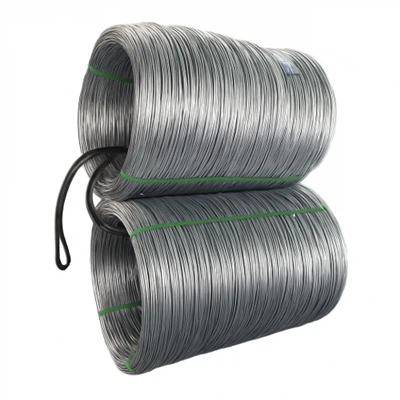
Bending bright steel rods without cracking is a crucial skill in various industries, from construction to manufacturing. As a supplier of high - quality bright steel rods, I understand the challenges and requirements involved in this process. In this blog, I'll share some effective methods and considerations to help you bend bright steel rods successfully.
Understanding Bright Steel Rods
Before diving into the bending process, it's essential to have a basic understanding of bright steel rods. Bright steel rods are typically made from different grades of steel, each with its own unique properties. For instance, the 316L Stainless Steel Round Bar is known for its excellent corrosion resistance, making it suitable for applications in harsh environments. The Alloy 925 Round Bar offers high strength and good formability, while the 430 Stainless Steel Round Bar is often used for its magnetic properties and relatively low cost.
The composition and heat treatment of the steel rod greatly influence its bendability. Higher carbon content generally makes the steel stronger but less ductile, increasing the risk of cracking during bending. On the other hand, steel with a proper amount of alloying elements can enhance its ductility and toughness, making it more suitable for bending operations.


Pre - bending Preparations
Material Inspection
Before bending, carefully inspect the bright steel rod for any surface defects such as cracks, scratches, or inclusions. These defects can act as stress concentrators during bending and significantly increase the likelihood of cracking. Use non - destructive testing methods like visual inspection, magnetic particle inspection, or ultrasonic testing to detect any hidden flaws.
Determine the Bending Radius
The bending radius is a critical parameter in the bending process. A too - small bending radius can cause excessive stress on the outer surface of the rod, leading to cracking. The minimum bending radius depends on the diameter and grade of the steel rod. As a general rule, for most bright steel rods, the minimum bending radius should be at least 3 - 5 times the rod's diameter. You can refer to engineering handbooks or consult with steel manufacturers to get more accurate minimum bending radius values for specific steel grades.
Lubrication
Applying a suitable lubricant to the steel rod before bending can reduce friction between the rod and the bending tool. This helps to distribute the stress more evenly during bending and prevents surface damage. There are various types of lubricants available, such as oil - based lubricants, graphite - based lubricants, and synthetic lubricants. Choose a lubricant that is compatible with the steel grade and the bending process.
Bending Methods
Cold Bending
Cold bending is a common method used for bending bright steel rods, especially when the bending angle is relatively small and the rod diameter is not too large. In cold bending, the rod is bent at room temperature using mechanical forces.
- Press Bending: This method uses a press machine to apply a force on the rod at a specific point to achieve the desired bend. The press machine can be equipped with different dies to create various bending shapes. When using press bending, make sure the dies are properly aligned and have a smooth surface to avoid scratching the rod.
- Roll Bending: Roll bending involves passing the steel rod through a set of rollers. By adjusting the position and pressure of the rollers, the rod can be bent into a curved shape. Roll bending is suitable for creating long, continuous bends, such as in the production of circular or spiral components.
However, cold bending has its limitations. As the steel is bent at room temperature, the risk of work - hardening is higher. Work - hardening can make the steel more brittle and increase the risk of cracking, especially when multiple bends are required.
Hot Bending
Hot bending is often used for larger - diameter rods or when a smaller bending radius is needed. In hot bending, the steel rod is heated to a specific temperature range before bending. Heating the steel reduces its yield strength and increases its ductility, making it easier to bend without cracking.
- Induction Heating: Induction heating is a popular method for hot bending. It uses an electromagnetic field to heat the steel rod quickly and precisely. The heating temperature can be controlled accurately, ensuring that the steel is heated to the optimal bending temperature. After heating, the rod is immediately bent using a suitable bending tool.
- Furnace Heating: For larger - scale production, furnace heating can be used. The steel rods are placed in a furnace and heated to the desired temperature. Once the rods reach the appropriate temperature, they are removed from the furnace and bent as quickly as possible to avoid excessive cooling.
Post - bending Treatment
After bending, it's important to perform some post - bending treatments to relieve the internal stress in the steel rod and improve its mechanical properties.
Stress Relieving
Stress relieving is a heat treatment process in which the bent steel rod is heated to a relatively low temperature (usually around 500 - 600°C) and held at that temperature for a certain period of time. This helps to reduce the internal stress generated during bending and prevent the rod from cracking or deforming over time. After stress relieving, the rod should be cooled slowly to room temperature.
Surface Finishing
The bent steel rod may have some surface imperfections after bending, such as scratches or scale. Surface finishing operations like grinding, polishing, or shot blasting can be performed to improve the rod's surface quality and appearance. This also helps to remove any potential stress concentrators on the surface.
Quality Control
Throughout the bending process, it's crucial to implement strict quality control measures.
- Dimensional Inspection: Use measuring tools such as calipers, micrometers, and coordinate measuring machines (CMM) to check the dimensions of the bent rod. Make sure the bending angle, radius, and length are within the specified tolerances.
- Non - destructive Testing: After bending, perform non - destructive testing again to check for any new cracks or defects that may have occurred during the bending process. This can help to ensure the structural integrity of the bent rod.
Conclusion
Bending bright steel rods without cracking requires a combination of proper material selection, pre - bending preparations, appropriate bending methods, and post - bending treatments. By following the guidelines and best practices outlined in this blog, you can increase the success rate of your bending operations and produce high - quality bent steel components.
As a reliable supplier of bright steel rods, I offer a wide range of steel grades and sizes to meet your specific needs. If you are interested in purchasing bright steel rods or have any questions about the bending process, please feel free to contact me for more information and to start a procurement discussion.
References
- ASM Handbook Volume 6: Welding, Brazing, and Soldering. ASM International.
- Machinery's Handbook. Industrial Press Inc.
- Steel Construction Manual. American Institute of Steel Construction.