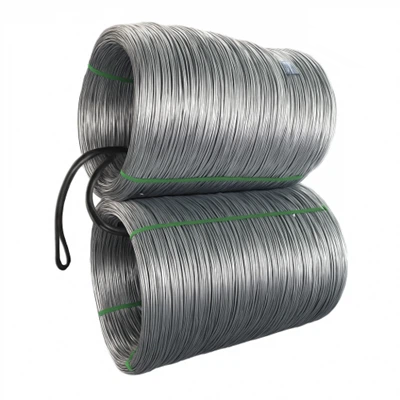
Stainless steel wire is a versatile material that has found its way into countless industries, thanks to its durability, corrosion resistance, and strength. One area where the suitability of stainless steel wire is often questioned is in food - processing equipment. As a stainless steel wire supplier, I am frequently asked whether our products can be safely used in this industry. In this blog post, I will delve into the properties of stainless steel wire, its compliance with food safety standards, and its advantages for food - processing applications.
Properties of Stainless Steel Wire
Stainless steel wire is made from an alloy of iron, chromium, and other elements. The addition of chromium forms a passive oxide layer on the surface of the wire, which protects it from corrosion. This property is crucial in food - processing environments, where the equipment is constantly exposed to moisture, acids, and salts from food products, cleaning agents, and sanitizers.
Different grades of stainless steel wire offer varying levels of corrosion resistance and mechanical properties. For instance, the 420 HC Stainless Steel Wire is a martensitic stainless steel that provides high strength and hardness. It is often heat - treated to enhance its wear resistance, making it suitable for applications where the wire may come into contact with abrasive food particles or undergo mechanical stress.
On the other hand, 302 Stainless Steel Spring Wire is an austenitic stainless steel. It is known for its excellent formability and corrosion resistance in mild to moderate environments. Austenitic stainless steels like 302 are non - magnetic, which can be an advantage in some food - processing equipment where magnetic interference could cause issues.
The 317L Stainless Steel Welding Wire is another option. The "L" in 317L stands for low carbon, which reduces the risk of carbide precipitation during welding. This grade offers enhanced corrosion resistance in harsh environments, such as those with high chloride concentrations, making it ideal for food - processing applications where salt - based ingredients are used.
Compliance with Food Safety Standards
One of the most important considerations when using any material in food - processing equipment is its compliance with food safety standards. Stainless steel is generally considered a safe material for contact with food. In the United States, the Food and Drug Administration (FDA) regulates the use of materials in food - contact applications. Stainless steel that meets specific chemical composition requirements is allowed for use in food - processing equipment.


For example, many austenitic and ferritic stainless steels are FDA - compliant. These steels do not release harmful substances into the food during normal use. The passive oxide layer on the stainless steel surface prevents the leaching of metals, ensuring that the food remains uncontaminated. Additionally, stainless steel is easy to clean, which is essential for maintaining a hygienic food - processing environment. It can withstand high - pressure cleaning, steam cleaning, and the use of various cleaning agents without degrading or corroding.
In Europe, the European Food Safety Authority (EFSA) also sets strict guidelines for food - contact materials. Stainless steel wire that complies with these regulations can be used without concerns about food safety. Regular testing and inspections are carried out to ensure that the stainless steel wire maintains its chemical integrity and does not pose a risk to human health.
Advantages of Using Stainless Steel Wire in Food - Processing Equipment
Durability and Longevity
Food - processing equipment often operates under strenuous conditions, including continuous use, high temperatures, and contact with abrasive substances. Stainless steel wire's high strength and corrosion resistance make it highly durable, reducing the need for frequent replacements. This not only saves costs in the long run but also minimizes production downtime due to equipment breakdowns.
Hygiene
As mentioned earlier, stainless steel is easy to clean and sanitize. Its smooth surface does not harbor bacteria, mold, or other contaminants, making it ideal for use in food - processing environments where strict hygiene standards must be maintained. Regular cleaning of stainless steel wire - based equipment can prevent the growth of harmful microorganisms, ensuring the safety of the food products being processed.
Compatibility with Food Products
Stainless steel does not react with most food substances. It does not impart any taste, odor, or color to the food, preserving the natural quality of the products. Whether it is used in conveyor belts, sieves, or mixing equipment, stainless steel wire ensures that the food remains untainted.
Versatility
Stainless steel wire can be fabricated into various shapes and forms to meet the specific needs of different food - processing applications. It can be used to make fine mesh screens for separating solids from liquids, springs for mechanical components, or welding wire for joining structural parts of the equipment. This versatility allows food - processing equipment manufacturers to design innovative and efficient machinery using stainless steel wire.
Potential Challenges and Mitigations
While stainless steel wire offers numerous benefits for food - processing equipment, there are some potential challenges that need to be addressed.
One challenge is the risk of crevice corrosion. If stainless steel wire is used in applications where there are tight spaces or crevices, such as in the joints of equipment, stagnant fluids can accumulate, leading to corrosion. To mitigate this, proper design and installation are crucial. Using smooth - fitting joints and ensuring proper drainage can prevent the formation of crevices and reduce the risk of corrosion.
Another potential issue is the presence of surface contaminants during the manufacturing process. For example, if the wire is not properly cleaned after surface treatment, residues of chemicals or oils may remain on the surface. This can be addressed by implementing strict quality control measures during production. Thorough cleaning and passivation processes can remove any surface contaminants and enhance the corrosion resistance of the stainless steel wire.
Conclusion
In conclusion, stainless steel wire is an excellent choice for use in food - processing equipment. Its corrosion resistance, compliance with food safety standards, durability, hygiene, compatibility with food products, and versatility make it well - suited for a wide range of applications in the food industry.
As a stainless steel wire supplier, we are committed to providing high - quality products that meet the strict requirements of food - processing equipment manufacturers. Our 420 HC Stainless Steel Wire, 302 Stainless Steel Spring Wire, and 317L Stainless Steel Welding Wire are all carefully manufactured to ensure optimal performance and safety.
If you are in the food - processing industry and are looking for reliable stainless steel wire for your equipment, I encourage you to reach out to us for a procurement discussion. We can provide technical support, product samples, and competitive pricing to meet your specific needs.
References
- "Stainless Steel in Food Processing" by the International Stainless Steel Forum.
- FDA regulations on food - contact materials.
- EFSA guidelines for food - contact materials.