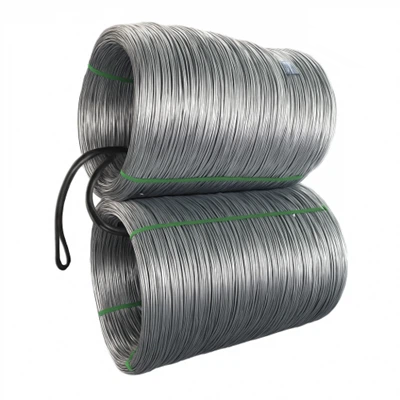
Stainless steel round bars are widely used in various industries due to their excellent corrosion resistance, strength, and aesthetic appeal. As a leading stainless steel round bar supplier, we often receive inquiries about the weldability of these bars. In this blog post, we will explore the weldability of stainless steel round bars, the factors that affect it, and the best practices for welding them.
Understanding Stainless Steel Round Bars
Stainless steel is an alloy of iron, chromium, and other elements. The addition of chromium forms a passive oxide layer on the surface of the steel, which protects it from corrosion. Stainless steel round bars come in different grades, each with its own unique properties and applications. Some of the commonly used grades include 430f, 316L, and 302.
- 430f Stainless Steel Round Bar: This grade is a free-machining ferritic stainless steel. It has good corrosion resistance in mild environments and is often used in applications where machining is a key requirement, such as in the automotive and food processing industries.
- 316L Stainless Steel Round Bar: 316L is an austenitic stainless steel with a low carbon content. It offers excellent corrosion resistance, especially in chloride-rich environments, making it suitable for marine applications, chemical processing plants, and medical equipment.
- 302 Stainless Round Bar: 302 is also an austenitic stainless steel. It has high strength and good formability. It is commonly used in springs, fasteners, and other applications where strength and corrosion resistance are required.
Can Stainless Steel Round Bars Be Welded?
The short answer is yes, stainless steel round bars can be welded. However, the weldability of stainless steel depends on several factors, including the grade of stainless steel, the welding process used, and the pre - and post - welding treatments.


Factors Affecting Weldability
- Grade of Stainless Steel: Different grades of stainless steel have different chemical compositions, which can affect their weldability. For example, ferritic stainless steels like 430f have a tendency to become brittle during welding due to grain growth and the formation of intermetallic compounds. Austenitic stainless steels, such as 316L and 302, generally have better weldability, but they can also be prone to issues like sensitization and hot cracking.
- Welding Process: There are several welding processes available for stainless steel, including TIG (Tungsten Inert Gas) welding, MIG (Metal Inert Gas) welding, and SMAW (Shielded Metal Arc Welding). Each process has its own advantages and disadvantages. TIG welding is often preferred for high - quality welds on stainless steel because it provides precise control over the heat input and produces clean, aesthetically pleasing welds. MIG welding is faster and more suitable for thicker sections, but it may require more skill to achieve good results. SMAW is a more traditional method and is useful for field welding, but it may produce more spatter and require more post - welding cleaning.
- Pre - and Post - Welding Treatments: Proper pre - welding preparation is crucial for successful welding of stainless steel round bars. This includes cleaning the surface of the bars to remove any dirt, oil, or oxides. Pre - heating may also be required for some grades of stainless steel to reduce the risk of cracking. Post - welding treatments, such as annealing or stress relieving, can help to improve the mechanical properties and corrosion resistance of the weld.
Best Practices for Welding Stainless Steel Round Bars
Pre - Welding Preparation
- Cleaning: Thoroughly clean the surface of the stainless steel round bars using a suitable solvent or a wire brush. This will remove any contaminants that could affect the quality of the weld.
- Fit - up: Ensure that the bars are properly aligned and have a good fit - up. A small gap between the bars may be necessary to allow for proper penetration of the weld.
- Pre - heating (if required): For some grades of stainless steel, pre - heating the bars to a specific temperature can help to reduce the cooling rate during welding and prevent cracking. The pre - heating temperature will depend on the grade of stainless steel and the thickness of the bars.
Welding Process Selection
- TIG Welding: This process is ideal for thin - walled stainless steel round bars and for applications where high - quality welds are required. Use a pure tungsten electrode and an inert gas (such as argon) to protect the weld from oxidation.
- MIG Welding: MIG welding is suitable for thicker bars and can be a faster option. Use a stainless steel filler wire that is compatible with the base metal. The shielding gas should be a mixture of argon and carbon dioxide.
- SMAW: When using SMAW, select the appropriate electrode for the grade of stainless steel. Follow the manufacturer's recommendations for welding parameters, such as current and voltage.
Post - Welding Treatments
- Annealing: Annealing can be used to relieve stresses in the weld and improve its corrosion resistance. The annealing temperature and time will depend on the grade of stainless steel.
- Pickling and Passivation: After welding, pickling and passivation can be performed to remove any heat - tinted oxides and restore the passive oxide layer on the surface of the stainless steel. This will enhance the corrosion resistance of the weld.
Applications of Welded Stainless Steel Round Bars
Welded stainless steel round bars are used in a wide range of applications, including:
- Structural Applications: In construction and engineering, welded stainless steel round bars are used to create frames, supports, and other structural components. Their high strength and corrosion resistance make them suitable for both indoor and outdoor applications.
- Decorative Applications: Stainless steel has an attractive appearance, and welded round bars are often used in decorative applications, such as in architectural features, furniture, and art installations.
- Industrial Equipment: In industries such as food processing, chemical processing, and pharmaceuticals, welded stainless steel round bars are used to manufacture equipment like tanks, pipes, and conveyor systems. The corrosion resistance of stainless steel ensures the longevity and hygiene of the equipment.
Conclusion
In conclusion, stainless steel round bars can be successfully welded, but it requires careful consideration of the grade of stainless steel, the welding process, and the pre - and post - welding treatments. As a stainless steel round bar supplier, we are committed to providing high - quality products and technical support to our customers. Whether you are a fabricator, engineer, or end - user, we can help you select the right grade of stainless steel round bar for your application and provide guidance on the best welding practices.
If you are interested in purchasing stainless steel round bars or have any questions about their weldability, please feel free to contact us for further discussion and procurement negotiation. We look forward to serving you and meeting your stainless steel needs.
References
- ASM Handbook Volume 6: Welding, Brazing, and Soldering. ASM International.
- Welding Stainless Steels: A Practical Guide. The Welding Institute.
- Stainless Steel Handbook. Outokumpu.