As a supplier of Welding Angle Bar, I often get asked a variety of questions about angle bars and welding. One question that pops up quite frequently is, "Can I weld angle bar with a homemade welding setup?" In this blog post, I'll delve into this topic, providing you with a comprehensive answer based on my experience and knowledge in the field.
Understanding Angle Bars
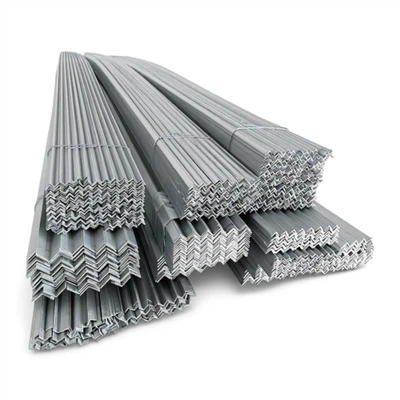
Before we discuss the possibility of using a homemade welding setup, it's essential to understand what angle bars are. Angle bars, also known as angle irons, are L-shaped structural steel or stainless - steel bars. They come in different types, such as L Type Angle Bar and Standard Angle Bar. These bars are widely used in construction, manufacturing, and DIY projects due to their strength and versatility.
Angle bars are used for a multitude of purposes, including framing, bracing, and support structures. They can be found in everything from small household items to large industrial buildings. Given their wide - spread use, welding angle bars is a common task for many welders, whether they are professionals or hobbyists.
The Basics of Welding Angle Bars
Welding angle bars requires a good understanding of the welding process. There are several welding methods available, such as MIG (Metal Inert Gas) welding, TIG (Tungsten Inert Gas) welding, and Stick welding. Each method has its own advantages and disadvantages, and the choice of method depends on factors like the type of angle bar, the thickness of the material, and the specific requirements of the project.
When welding angle bars, it's crucial to prepare the surfaces properly. This involves cleaning the bars to remove any rust, dirt, or grease. A clean surface ensures better weld quality and stronger joints. Additionally, proper joint preparation, such as beveling the edges if necessary, is essential for achieving a high - quality weld.


Homemade Welding Setups: Pros and Cons
Pros
- Cost - effective: One of the main advantages of a homemade welding setup is the cost. Buying a commercial welding machine can be quite expensive, especially for hobbyists or those on a tight budget. A homemade setup can be built using inexpensive or recycled materials, which can save a significant amount of money.
- Customizability: With a homemade setup, you have the freedom to customize it according to your specific needs. You can modify the design to suit the type of welding you want to do, whether it's welding angle bars or other materials.
- Learning experience: Building a homemade welding setup is a great learning opportunity. It allows you to gain a deeper understanding of the welding process and the components involved. This hands - on experience can enhance your overall welding skills.
Cons
- Safety concerns: Homemade welding setups may not meet the same safety standards as commercial machines. They may lack proper insulation, grounding, or over - current protection, which can pose a significant risk of electric shock, fire, or other accidents.
- Quality and consistency: Commercial welding machines are designed and manufactured to provide consistent and high - quality welds. A homemade setup may not be able to achieve the same level of precision and quality. Inconsistent welds can compromise the strength and integrity of the angle bar joints.
- Technical knowledge required: Building a homemade welding setup requires a certain level of technical knowledge. If you don't have a good understanding of electrical circuits, welding principles, and materials, it can be challenging to build a functional and safe setup.
Can You Weld Angle Bars with a Homemade Welding Setup?
The answer is yes, it is possible to weld angle bars with a homemade welding setup, but it comes with some caveats.
If you have the necessary technical skills and knowledge, and you are willing to put in the time and effort to build a safe and functional setup, you can achieve satisfactory results. However, it's important to note that the quality of the welds may not be as high as those produced by a commercial machine.
For small - scale projects or simple repairs, a homemade welding setup may be sufficient. For example, if you are welding thin - gauge angle bars for a DIY home project, a homemade setup can get the job done. But for large - scale industrial projects or applications where high - quality welds are critical, it's advisable to use a commercial welding machine.
Safety Precautions When Using a Homemade Welding Setup
If you decide to use a homemade welding setup to weld angle bars, safety should be your top priority. Here are some safety precautions to follow:
- Proper grounding: Ensure that your homemade welding setup is properly grounded to prevent electric shock. This involves connecting the welding machine to a reliable ground source.
- Insulation: Use proper insulation materials to cover all electrical components. This reduces the risk of electric shock and short - circuits.
- Eye and skin protection: Wear appropriate safety gear, such as welding goggles, gloves, and a welding helmet. Welding produces intense light and heat, which can cause serious damage to your eyes and skin.
- Ventilation: Welding produces fumes and gases that can be harmful if inhaled. Make sure you have adequate ventilation in your workspace, either by working outdoors or using a ventilation system.
Tips for Welding Angle Bars with a Homemade Setup
- Start small: If you are new to welding with a homemade setup, start with small and simple projects. This allows you to practice your skills and gain confidence before moving on to more complex tasks.
- Test your setup: Before starting a project, test your homemade welding setup on scrap pieces of angle bar. This helps you determine the optimal settings and ensures that the setup is working properly.
- Use the right electrodes or filler materials: The choice of electrodes or filler materials depends on the type of angle bar and the welding method. Make sure you select the appropriate materials for the best results.
Conclusion
In conclusion, while it is possible to weld angle bars with a homemade welding setup, it has its limitations. A homemade setup can be a cost - effective and customizable option, especially for small - scale projects. However, it comes with safety risks and may not provide the same level of quality and consistency as a commercial machine.
If you are considering using a homemade welding setup, make sure you have the necessary technical knowledge and take all the appropriate safety precautions. And if you are in need of high - quality Welding Angle Bar, L Type Angle Bar, or Standard Angle Bar, we are here to help. We offer a wide range of angle bars that are suitable for various welding applications.
If you are interested in purchasing our angle bars or have any questions about welding them, please feel free to contact us for a procurement discussion. We look forward to working with you on your next project.
References
- AWS (American Welding Society) Handbook, Volume 1: Welding Science and Technology
- Welding: Principles and Applications by Larry Jeffus