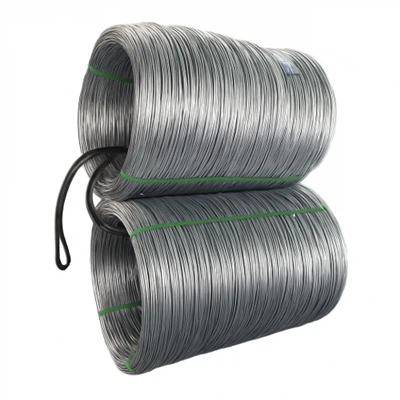
Can a 316 round bar be used in the power generation industry? Well, let me tell you, as a 316 round bar supplier, I've got some insights to share on this topic.
First off, let's talk a bit about what a 316 round bar is. 316 stainless steel is a type of austenitic stainless steel. It contains chromium, nickel, and molybdenum, which gives it some really cool properties. The chromium provides corrosion resistance, the nickel enhances its ductility and toughness, and the molybdenum boosts its resistance to pitting and crevice corrosion in chloride - rich environments.


Now, let's dive into the power generation industry. This industry is huge and diverse, with different types of power plants like thermal power plants, hydro - power plants, nuclear power plants, and renewable energy power plants such as wind and solar. Each type has its own unique requirements, but there are some common areas where a 316 round bar can be a great fit.
In thermal power plants, which burn fossil fuels like coal, oil, or gas to generate steam and then electricity, there are a lot of components that are exposed to high temperatures, high pressures, and corrosive substances. For example, the pipes and fittings in the boiler system need to be able to withstand the heat and the chemical reactions that occur during combustion. A 316 round bar can be used to make parts like bolts, nuts, and shafts for pumps and valves. The corrosion resistance of 316 stainless steel is crucial here because the water and steam used in the system often contain impurities that can cause corrosion. If the components corrode, it can lead to leaks, reduced efficiency, and even safety hazards.
Hydro - power plants, on the other hand, rely on the force of flowing water to turn turbines and generate electricity. The equipment in these plants is mainly exposed to water, which can be corrosive depending on its chemical composition. 316 round bars can be used in the construction of turbine components, such as the shafts and bearings. The molybdenum in 316 stainless steel makes it highly resistant to pitting corrosion in water, especially in areas where there might be small crevices or areas with stagnant water. This helps to ensure the long - term reliability of the turbine, which is the heart of the hydro - power plant.
Nuclear power plants have some of the most stringent requirements in terms of material selection. The components in a nuclear power plant need to be able to withstand high radiation levels, extreme temperatures, and high pressures. 316 round bars can be used in non - critical areas where corrosion resistance is important. For example, in the cooling water systems, 316 stainless steel can be used for pipes and fittings. The radiation resistance of 316 stainless steel is also relatively good compared to some other materials, which is an added bonus.
When it comes to renewable energy power plants, like wind and solar, 316 round bars also have their uses. In wind turbines, the mechanical components need to be strong and corrosion - resistant. The 316 round bar can be used to make parts for the gearbox, yaw system, and pitch system. These parts are exposed to the elements, including rain, wind, and salt spray in coastal areas. The corrosion resistance of 316 stainless steel helps to protect these components from the harsh environmental conditions and ensures the smooth operation of the wind turbine.
In solar power plants, especially in large - scale solar farms, there are structures that support the solar panels. These structures need to be durable and resistant to corrosion. 316 round bars can be used in the construction of these support structures. The stainless steel's strength and corrosion resistance make it a good choice for withstanding the long - term exposure to sunlight, rain, and temperature variations.
Now, let's compare 316 round bars with some other types of stainless steel round bars. For example, the 430 ss round bar. 430 stainless steel is a ferritic stainless steel. It has good corrosion resistance in mild environments, but it's not as resistant to pitting and crevice corrosion as 316 stainless steel. In the power generation industry, where the environments can be quite harsh, 316 round bars are often a better choice, especially in areas where there are high levels of chlorides.
The 303 Stainless Steel Round Bar is known for its good machinability. However, its corrosion resistance is not as good as 316 stainless steel. In power generation applications where corrosion resistance is a top priority, 316 round bars are usually preferred over 303 stainless steel round bars.
The 304 Stainless Steel Round Bar is another popular choice. It has good general corrosion resistance, but it lacks the molybdenum that 316 stainless steel has. This means that in chloride - rich environments, 316 round bars are more resistant to pitting and crevice corrosion than 304 stainless steel round bars.
In conclusion, 316 round bars can definitely be used in the power generation industry. Their unique combination of corrosion resistance, strength, and durability makes them suitable for a wide range of applications in different types of power plants. Whether it's in thermal, hydro, nuclear, or renewable energy power plants, 316 round bars can play an important role in ensuring the reliable and efficient operation of the power generation equipment.
If you're in the power generation industry and looking for high - quality 316 round bars, I'd love to talk to you. I can provide you with the right products that meet your specific requirements. Don't hesitate to reach out for a detailed discussion on your needs and how we can work together to find the best solutions.
References:
- "Stainless Steel Handbook" by ASM International
- Industry reports on power generation equipment materials