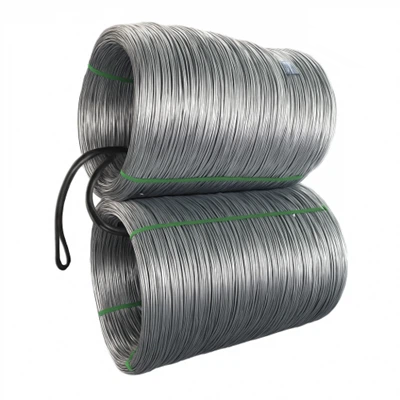
Can a 316 Round Bar be used in structural applications?
As a supplier of 316 round bars, I often encounter inquiries from customers regarding the suitability of these bars for structural applications. This blog aims to comprehensively explore whether a 316 round bar can be effectively used in structural contexts, considering its properties, advantages, limitations, and real - world applications.
Properties of 316 Round Bars
316 stainless steel is an austenitic stainless steel alloy. It contains approximately 16 - 18% chromium, 10 - 14% nickel, and 2 - 3% molybdenum. The addition of molybdenum significantly enhances the alloy's resistance to pitting and crevice corrosion, especially in chloride - rich environments.


In terms of mechanical properties, 316 round bars typically have a yield strength of around 205 MPa (30,000 psi) and a tensile strength of about 515 MPa (75,000 psi). They also exhibit good ductility, which means they can be deformed without fracturing under stress to a certain extent. This ductility is an important characteristic for structural applications as it allows the material to absorb energy during loading.
Advantages of Using 316 Round Bars in Structural Applications
- Corrosion Resistance: One of the most significant advantages of 316 round bars is their excellent corrosion resistance. In marine environments, where structures are constantly exposed to saltwater, 316 stainless steel can withstand the corrosive effects of chlorides much better than other steels. For example, in coastal buildings, bridges, and offshore platforms, the use of 316 round bars can significantly extend the service life of the structure, reducing maintenance costs and the risk of structural failure due to corrosion.
- Aesthetic Appeal: 316 stainless steel has a smooth and shiny surface finish, which can enhance the aesthetic appearance of a structure. This makes it a popular choice for architectural and decorative structural elements, such as handrails, balustrades, and exterior facades.
- Weldability: 316 round bars are relatively easy to weld. Welding is a common method for joining structural components, and the ability to weld 316 stainless steel effectively allows for the fabrication of complex structural shapes. This weldability also ensures that the integrity of the structure is maintained during the joining process.
- Strength - to - Weight Ratio: Compared to some other materials, 316 round bars offer a good strength - to - weight ratio. This means that they can provide sufficient strength for structural support while keeping the overall weight of the structure relatively low. This is particularly beneficial in applications where weight is a critical factor, such as in aerospace and some high - rise building structures.
Limitations of Using 316 Round Bars in Structural Applications
- Cost: 316 stainless steel is generally more expensive than carbon steel and some other common structural materials. The higher cost is mainly due to the presence of alloying elements such as nickel and molybdenum. This cost factor may limit its use in large - scale structural projects where budget constraints are a significant concern.
- High - Temperature Performance: While 316 stainless steel has good corrosion resistance at normal temperatures, its strength and mechanical properties can degrade at high temperatures. In applications where the structure is exposed to elevated temperatures, such as in industrial furnaces or fire - prone areas, the use of 316 round bars may not be suitable without additional heat - resistant measures.
- Magnetic Properties: 316 stainless steel is a non - magnetic material. In some structural applications where magnetic properties are required, such as in electromagnetic shielding or magnetic levitation systems, 316 round bars may not be the best choice.
Real - World Applications of 316 Round Bars in Structures
- Marine Structures: As mentioned earlier, 316 round bars are widely used in marine structures. For example, they are used in the construction of boat frames, docks, and offshore oil rigs. The corrosion resistance of 316 stainless steel ensures that these structures can withstand the harsh marine environment for long periods.
- Architectural Structures: In the field of architecture, 316 round bars are used for various structural and decorative purposes. Handrails in public buildings, staircases, and exterior facades often incorporate 316 round bars due to their aesthetic appeal and corrosion resistance.
- Food and Beverage Industry: In the food and beverage industry, 316 round bars are used in the construction of processing equipment and storage tanks. The corrosion resistance of the material ensures that the equipment remains hygienic and does not contaminate the food products.
Comparison with Other Round Bars for Structural Applications
- 316L Stainless Steel Round Bar: 316L Stainless Steel Round Bar is a low - carbon version of 316 stainless steel. It has similar corrosion resistance and mechanical properties to 316, but it is more resistant to intergranular corrosion after welding. In some structural applications where welding is extensive, 316L may be a better choice.
- 302 Stainless Round Bar: 302 Stainless Round Bar has a lower nickel content than 316. As a result, its corrosion resistance, especially in chloride - rich environments, is not as good as that of 316. However, 302 is less expensive, so it may be used in less corrosive structural applications where cost is a major consideration.
- Bright Steel Rod: Bright Steel Rod is a general - purpose steel rod. It has lower corrosion resistance compared to 316 round bars. Bright steel rods are often used in applications where corrosion is not a significant concern, such as in machinery parts and simple structural frames in non - corrosive environments.
Considerations for Using 316 Round Bars in Structural Design
- Load Calculation: When using 316 round bars in structural applications, accurate load calculations are essential. The design engineer needs to consider the type of loads (e.g., dead loads, live loads, wind loads) that the structure will be subjected to and ensure that the 316 round bars have sufficient strength to withstand these loads.
- Connection Design: The design of connections between 316 round bars and other structural components is crucial. Proper connection design ensures that the load is transferred effectively between the components and that the overall integrity of the structure is maintained.
- Environmental Conditions: The environmental conditions in which the structure will be located should be carefully considered. If the structure is in a highly corrosive environment, additional protective measures may be required, such as applying a protective coating or using a higher - grade 316 stainless steel.
Conclusion
In conclusion, 316 round bars can be used in a wide range of structural applications. Their excellent corrosion resistance, aesthetic appeal, weldability, and good strength - to - weight ratio make them a suitable choice for many projects, especially those in marine and architectural fields. However, their higher cost, limitations in high - temperature performance, and non - magnetic properties need to be taken into account during the design and selection process.
If you are considering using 316 round bars for your structural project, I encourage you to contact us for more information. Our team of experts can provide you with detailed technical advice, product specifications, and pricing information. We are committed to helping you find the best solution for your specific structural needs.
References
- ASM Handbook, Volume 13A: Corrosion: Fundamentals, Testing, and Protection, ASM International.
- Stainless Steel World magazine, various issues on stainless steel applications in structures.
- Structural Steel Design Manuals, various editions for design considerations of steel structures.