Hey there! As a supplier of Standard Angle Bars, I often get asked about safety precautions when using these handy pieces of metal. So, I thought I'd put together a blog post to share some important insights.
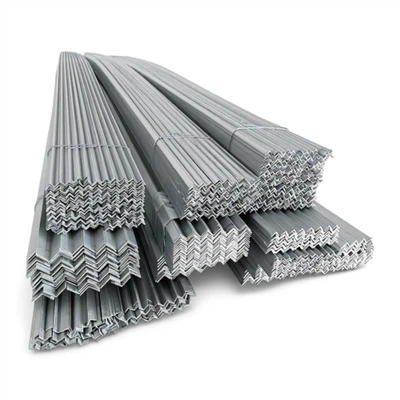
First off, let's talk about what a Standard Angle Bar is. A Standard Angle Bar is a type of structural steel that has an L-shaped cross-section. It's widely used in construction, manufacturing, and various DIY projects. You can find out more about it on our website Standard Angle Bar.
Handling and Storage
When it comes to handling Standard Angle Bars, there are a few things you need to keep in mind. These bars can be heavy, so it's crucial to use proper lifting equipment. If you're working alone, make sure you have the right tools, like a hoist or a forklift, to move the bars safely. Don't try to lift them by hand if they're too heavy, as this can lead to serious back injuries.
Storage is also important. Angle bars should be stored in a dry, well-ventilated area. If they're exposed to moisture, they can rust, which not only affects their appearance but also their structural integrity. Stack the bars neatly and securely to prevent them from falling over. You don't want a stack of angle bars toppling over and causing an accident.
Cutting and Shaping
Cutting and shaping Standard Angle Bars is a common task, but it comes with its own set of safety risks. When using cutting tools, such as a saw or a grinder, always wear appropriate safety gear. This includes safety glasses to protect your eyes from flying debris, gloves to protect your hands, and ear protection if the cutting process is noisy.
Before you start cutting, make sure the bar is firmly secured. You don't want it to move around while you're cutting, as this can cause the blade to kick back and injure you. Also, be aware of the direction of the sparks. If you're using a grinder, the sparks can fly quite far, so make sure there's nothing flammable in the area.
Welding
Welding Angle Bars is another important process, and it requires extra precautions. If you're not experienced in welding, it's best to leave it to the professionals. But if you do decide to weld, make sure you have the right equipment. You can learn more about welding angle bars on our website Welding Angle Bar.
When welding, wear a welding helmet to protect your face and eyes from the intense light and heat. Welding gloves are also essential to protect your hands from burns. Additionally, make sure the area is well-ventilated to avoid inhaling harmful fumes. Welding produces fumes that can be dangerous if inhaled, so it's important to work in a space with good air circulation.
Installation
When installing Standard Angle Bars, make sure you have a stable surface to work on. If you're installing them on a wall or a structure, use the right fasteners and follow the manufacturer's instructions. Make sure the bars are properly aligned and secured to prevent them from coming loose.
If you're working at height, use a safety harness and make sure the scaffolding or ladder you're using is stable. Falls from height are one of the most common causes of serious injuries in construction, so it's important to take all necessary precautions.


Working with Steel Solid Angle Bars
Steel Solid Angle Bars are a popular choice for many applications. They're strong and durable, but they also require special care. You can find more information about Steel Solid Angle Bars on our website Steel Solid Angle Bar.
When working with steel solid angle bars, be aware of their sharp edges. These edges can cause cuts and abrasions, so it's a good idea to wear long sleeves and gloves. If you're handling the bars for an extended period, you might also want to consider using a pair of cut-resistant gloves.
General Safety Tips
- Always read the manufacturer's instructions before using any tools or equipment.
- Keep your work area clean and organized. A cluttered workspace can increase the risk of accidents.
- Regularly inspect your tools and equipment for any signs of damage or wear. If something is damaged, don't use it until it's been repaired or replaced.
- If you're unsure about how to do something safely, ask for help. It's better to be safe than sorry.
Conclusion
Using Standard Angle Bars can be a great way to complete your projects, but it's important to take safety precautions. By following these tips, you can reduce the risk of accidents and ensure that your work is done safely and efficiently.
If you're interested in purchasing Standard Angle Bars, we'd love to hear from you. We offer a wide range of high-quality angle bars at competitive prices. Whether you're a professional contractor or a DIY enthusiast, we have the right products for you. So, don't hesitate to get in touch and start your next project with confidence.
References
- General safety guidelines for working with metal in construction.
- Manufacturer's instructions for Standard Angle Bars, Welding Angle Bars, and Steel Solid Angle Bars.