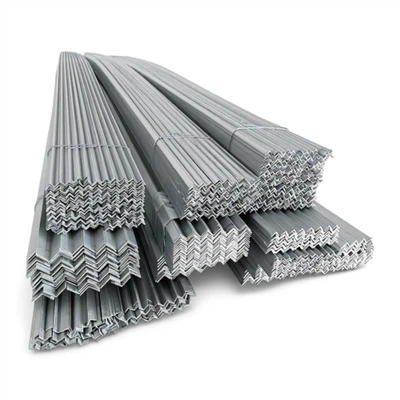
Hey there! As a supplier of Black Steel Flat Bars, I often get asked about color variations in these products. So, I thought I'd write this blog to share some insights on the topic.
First off, let's understand what Black Steel Flat Bars are. A Black Steel Flat Bar is a type of steel bar that has a flat, rectangular cross - section. It's commonly used in construction, manufacturing, and various DIY projects due to its strength and versatility.
Now, to answer the big question: Are there any color variations in Black Steel Flat Bars? The short answer is yes, there can be.
Factors Affecting Color Variation
1. Surface Treatment
The surface treatment of the black steel flat bar plays a huge role in its color. For instance, if the bar has been hot - dipped in a blackening solution, it will have a deep, uniform black color. This process involves immersing the bar in a chemical bath at high temperatures, which creates a black oxide layer on the surface. The resulting color is usually a rich, dark black that gives the bar an elegant look.
On the other hand, if the bar is painted black, the color can vary depending on the quality of the paint and the application method. A well - applied high - quality paint will result in a smooth, consistent black finish. However, if the paint is of poor quality or not applied evenly, you might notice color streaks or a slightly duller appearance.
2. Oxidation
Oxidation is another factor that can cause color variations. When black steel flat bars are exposed to air and moisture over time, they start to oxidize. This oxidation process can lead to the formation of rust, which can change the color of the bar. At first, you might notice some light brown or orange spots on the surface. As the oxidation progresses, the rust can become more widespread, giving the bar a mottled appearance with a mix of black, brown, and orange tones.
3. Alloy Composition
The alloy composition of the steel also affects its color. Different alloys contain various elements such as chromium, nickel, and manganese. These elements can influence how the steel reacts to heat treatment and surface finishing processes. For example, a black steel flat bar with a higher chromium content might have a slightly different shade of black compared to one with a lower chromium content. This is because chromium can enhance the corrosion resistance of the steel and also affect the way the blackening process works on the surface.
Comparing with Other Types of Flat Bars
Let's take a look at how black steel flat bars compare to other types of flat bars in terms of color.
303 Stainless Steel Flat Bar
303 stainless steel flat bars have a different color profile compared to black steel flat bars. Stainless steel has a natural silver - gray color that is shiny and reflective. This is because stainless steel contains a high percentage of chromium, which forms a protective oxide layer on the surface. Unlike black steel, 303 stainless steel is highly resistant to oxidation and rust, so its color remains relatively stable over time.
Polished Stainless Steel Flat Bar
Polished stainless steel flat bars take the shiny appearance of stainless steel to the next level. Through a polishing process, the surface of the bar becomes extremely smooth and reflective, almost mirror - like. The color is a bright, silvery white that catches the light beautifully. In contrast, black steel flat bars have a more subdued, matte - like finish, which can be a great choice for applications where a less flashy look is desired.
Color and Application
The color of black steel flat bars can also impact their applications. In architectural projects, the deep black color can add a modern and sophisticated touch. For example, in the construction of a contemporary building, black steel flat bars can be used for decorative elements such as handrails or window frames. The uniform black color can blend well with other materials like glass and concrete, creating a sleek and stylish look.
In industrial settings, the color might not be as crucial as the strength and durability of the bar. However, a consistent black color can still be beneficial for aesthetic reasons, especially in areas where the bars are visible. For example, in a manufacturing plant where the bars are used in machinery frames, a black finish can give the equipment a more professional and clean appearance.
How to Maintain the Color
If you want to keep the color of your black steel flat bars looking great, there are a few things you can do. First, make sure to store the bars in a dry environment. This will minimize the risk of oxidation and rust formation. If possible, keep them indoors or in a covered area.
Second, apply a protective coating. You can use a clear sealant or a wax - based product to protect the black finish. This will act as a barrier between the bar and the elements, preventing moisture and oxygen from reaching the surface.


Finally, clean the bars regularly. Use a mild detergent and a soft cloth to wipe away any dirt or debris. Avoid using abrasive cleaners or tools, as these can scratch the surface and damage the black finish.
Contact for Purchase
If you're interested in purchasing black steel flat bars or have any questions about their color variations, feel free to reach out. We offer a wide range of black steel flat bars in different sizes and specifications. Whether you need them for a small DIY project or a large - scale construction job, we've got you covered. Contact us to start the procurement process and discuss your specific requirements.
References
- "Steel Materials Handbook" - A comprehensive guide on steel properties and finishing processes.
- "Corrosion of Metals" - A scientific publication that explains the oxidation process in metals.