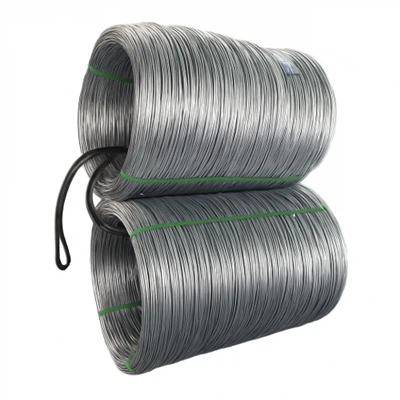
What is the smoothness of the surface of black stainless wire?
As a supplier of black stainless wire, I've had numerous discussions with clients about the surface smoothness of this product. Surface smoothness is a crucial characteristic that can significantly impact the performance, appearance, and usability of black stainless wire in various applications. In this blog, I'll delve into what surface smoothness means for black stainless wire, the factors that influence it, and its importance in different industries.
Understanding Surface Smoothness
Surface smoothness refers to the degree of evenness and lack of irregularities on the surface of the black stainless wire. It is typically measured in terms of roughness, which quantifies the deviations of the surface from a perfectly flat plane. A smoother surface has lower roughness values, indicating fewer peaks and valleys.


The smoothness of black stainless wire can be evaluated using various methods. One common approach is to use a profilometer, which measures the surface profile and provides a numerical value for roughness. Another method is visual inspection, where trained professionals assess the surface by eye for any visible defects, such as scratches, pits, or bumps.
Factors Affecting Surface Smoothness
Several factors can influence the surface smoothness of black stainless wire. These include:
- Manufacturing Process: The manufacturing process plays a significant role in determining the surface smoothness of black stainless wire. Processes such as drawing, annealing, and polishing can all affect the final surface finish. For example, during the drawing process, the wire is pulled through a series of dies to reduce its diameter. The quality of the dies and the lubrication used can impact the surface smoothness. A well-maintained die and proper lubrication can help produce a smoother surface.
- Material Composition: The composition of the stainless steel used to make the wire can also affect its surface smoothness. Different grades of stainless steel have different properties, including hardness, ductility, and corrosion resistance. These properties can influence how the wire responds to the manufacturing process and ultimately affect its surface finish. For instance, 420 Stainless Steel Wire is known for its high hardness and wear resistance, which can contribute to a smoother surface finish compared to some other grades.
- Heat Treatment: Heat treatment is often used to improve the mechanical properties of black stainless wire. However, improper heat treatment can lead to surface defects and unevenness. For example, overheating or rapid cooling can cause the formation of scale or cracks on the surface, reducing the smoothness. Careful control of the heat treatment parameters is essential to ensure a smooth surface finish.
- Surface Coating: Black stainless wire is often coated with a black oxide or other protective coating to enhance its appearance and corrosion resistance. The quality of the coating application can affect the surface smoothness. A poorly applied coating may have uneven thickness or contain impurities, resulting in a rough surface.
Importance of Surface Smoothness
The surface smoothness of black stainless wire is important for several reasons:
- Aesthetics: In applications where appearance is important, such as decorative or architectural uses, a smooth surface finish is highly desirable. A smooth surface gives the wire a clean, professional look and enhances its visual appeal.
- Corrosion Resistance: A smooth surface is less likely to trap moisture and contaminants, which can lead to corrosion. By reducing the surface roughness, the wire's resistance to corrosion can be improved, increasing its lifespan and durability.
- Friction and Wear: In applications where the wire comes into contact with other surfaces, such as in machinery or equipment, a smooth surface can reduce friction and wear. This can improve the efficiency of the system and reduce the need for frequent maintenance.
- Hygiene: In industries such as food processing or medical equipment, a smooth surface is easier to clean and sanitize. This helps to prevent the growth of bacteria and other microorganisms, ensuring a safe and hygienic environment.
Applications of Black Stainless Wire with Smooth Surfaces
Black stainless wire with a smooth surface is used in a wide range of applications, including:
- Jewelry and Accessories: The smooth surface of black stainless wire makes it ideal for use in jewelry making. It can be used to create necklaces, bracelets, earrings, and other accessories, adding a stylish and modern touch.
- Automotive and Aerospace: In the automotive and aerospace industries, black stainless wire is used in various components, such as springs, cables, and fasteners. A smooth surface finish is essential to ensure proper functioning and to meet the high-quality standards of these industries.
- Electronics: In the electronics industry, black stainless wire is used in wiring and connectors. A smooth surface helps to reduce electrical resistance and improve the performance of the electrical components.
- Medical Devices: In medical applications, such as surgical instruments and implants, a smooth surface is crucial for hygiene and patient safety. The smooth surface of black stainless wire makes it suitable for use in these critical applications.
Conclusion
In conclusion, the surface smoothness of black stainless wire is an important characteristic that can significantly impact its performance, appearance, and usability. Understanding the factors that affect surface smoothness and its importance in different applications is essential for both suppliers and customers. As a supplier of black stainless wire, we are committed to providing high-quality products with a smooth surface finish. We use advanced manufacturing processes and strict quality control measures to ensure that our wires meet the highest standards of surface smoothness.
If you are interested in purchasing black stainless wire or have any questions about its surface smoothness or other properties, please feel free to contact us. We would be happy to discuss your specific requirements and provide you with the best solutions for your application.
References
- ASM Handbook Volume 1: Properties and Selection: Irons, Steels, and High-Performance Alloys. ASM International.
- Metals Handbook Desk Edition, 3rd Edition. ASM International.
- Stainless Steel: A Technical Guide, 3rd Edition. ASM International.