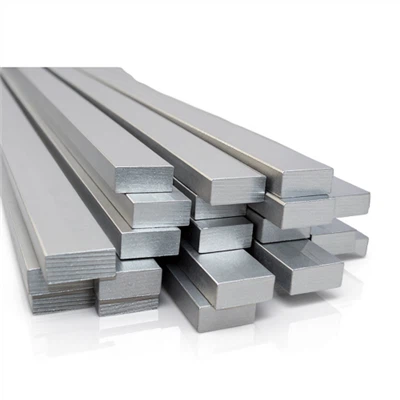
What is the Flexural Strength of Stainless Steel Flat Bar?
As a supplier of stainless steel flat bars, I often encounter inquiries about the flexural strength of these products. Flexural strength is a crucial property that determines the ability of a material to resist bending under load. In this blog post, I will delve into the concept of flexural strength, its significance for stainless steel flat bars, and how it can impact various applications.
Understanding Flexural Strength
Flexural strength, also known as bending strength, is the maximum stress a material can withstand before it fractures or fails under a bending load. It is typically measured in units of pressure, such as pounds per square inch (psi) or megapascals (MPa). When a stainless steel flat bar is subjected to a bending force, it experiences both tension and compression forces on opposite sides of the bar. The flexural strength of the bar is determined by its ability to resist these forces without breaking.
The flexural strength of a material is influenced by several factors, including its composition, microstructure, and manufacturing process. Stainless steel is an alloy composed primarily of iron, chromium, and nickel, with other elements added to enhance its properties. The specific composition of the stainless steel can affect its flexural strength, as different alloying elements can impart different levels of strength and ductility.
Significance of Flexural Strength for Stainless Steel Flat Bars
The flexural strength of stainless steel flat bars is of utmost importance in many applications. In structural applications, such as building construction and machinery manufacturing, the ability of the flat bars to withstand bending loads is crucial for ensuring the safety and stability of the structure. For example, in a bridge or a building frame, the stainless steel flat bars are used to support the weight of the structure and resist the forces exerted by wind, earthquakes, and other external factors. If the flexural strength of the flat bars is insufficient, they may bend or break under the load, leading to structural failure.
In addition to structural applications, stainless steel flat bars are also used in a variety of other industries, such as automotive, aerospace, and marine. In these industries, the flexural strength of the flat bars is important for ensuring the performance and reliability of the components. For example, in the automotive industry, stainless steel flat bars are used in the manufacturing of engine components, suspension systems, and exhaust systems. The flexural strength of these components is critical for ensuring their durability and resistance to fatigue.
Factors Affecting the Flexural Strength of Stainless Steel Flat Bars
As mentioned earlier, the flexural strength of stainless steel flat bars is influenced by several factors. Let's take a closer look at some of these factors:


- Alloy Composition: The composition of the stainless steel alloy plays a significant role in determining its flexural strength. Different alloying elements, such as chromium, nickel, and molybdenum, can enhance the strength and corrosion resistance of the stainless steel. For example, 316 stainless steel, which contains molybdenum, has higher corrosion resistance and better flexural strength than 304 stainless steel.
- Microstructure: The microstructure of the stainless steel also affects its flexural strength. A fine-grained microstructure generally results in higher strength and better ductility. The manufacturing process, such as hot rolling or cold rolling, can influence the microstructure of the stainless steel. Hot rolling can produce a coarser grain structure, while cold rolling can result in a finer grain structure.
- Heat Treatment: Heat treatment can also have a significant impact on the flexural strength of stainless steel flat bars. Annealing, for example, can improve the ductility and toughness of the stainless steel, while quenching and tempering can increase its strength. The specific heat treatment process used depends on the desired properties of the stainless steel.
- Bar Dimensions: The dimensions of the stainless steel flat bar, such as its thickness and width, can also affect its flexural strength. Generally, thicker and wider bars have higher flexural strength than thinner and narrower bars. However, the relationship between bar dimensions and flexural strength is not always linear, and other factors, such as the alloy composition and microstructure, also need to be considered.
Flexural Strength of Different Types of Stainless Steel Flat Bars
There are several types of stainless steel flat bars available in the market, each with its own unique properties and applications. Let's take a look at the flexural strength of some common types of stainless steel flat bars:
- 410 Stainless Steel Flat Bar: 410 stainless steel is a martensitic stainless steel that offers good strength and corrosion resistance. It has a flexural strength of approximately 85,000 psi (586 MPa). 410 stainless steel flat bars are commonly used in applications where high strength and moderate corrosion resistance are required, such as in the manufacturing of cutlery, surgical instruments, and automotive parts.
- 316 Stainless Steel Flat Bar: 316 stainless steel is an austenitic stainless steel that contains molybdenum, which enhances its corrosion resistance. It has a flexural strength of approximately 95,000 psi (655 MPa). 316 stainless steel flat bars are widely used in applications where high corrosion resistance is required, such as in the marine, food processing, and chemical industries.
- Black Steel Flat Bar: Black steel flat bars are made from carbon steel and are typically used in structural applications. They have a flexural strength that varies depending on the specific grade of carbon steel used. Generally, black steel flat bars have a flexural strength in the range of 40,000 to 60,000 psi (276 to 414 MPa).
Applications of Stainless Steel Flat Bars Based on Flexural Strength
The flexural strength of stainless steel flat bars determines their suitability for different applications. Here are some common applications of stainless steel flat bars based on their flexural strength:
- Structural Applications: Stainless steel flat bars with high flexural strength are commonly used in structural applications, such as building construction, bridges, and machinery manufacturing. These bars are used to support the weight of the structure and resist the forces exerted by wind, earthquakes, and other external factors.
- Automotive and Aerospace Applications: In the automotive and aerospace industries, stainless steel flat bars are used in the manufacturing of engine components, suspension systems, and aircraft structures. The high flexural strength of these bars ensures their durability and resistance to fatigue under high-stress conditions.
- Marine Applications: Stainless steel flat bars with high corrosion resistance and flexural strength are ideal for marine applications, such as boat building, offshore platforms, and marine equipment. These bars can withstand the harsh marine environment and resist corrosion caused by saltwater.
- Food Processing and Pharmaceutical Applications: Stainless steel flat bars with good corrosion resistance and hygiene properties are used in the food processing and pharmaceutical industries. These bars are used in the manufacturing of equipment and machinery that come into contact with food and pharmaceutical products.
Contact Us for Your Stainless Steel Flat Bar Needs
If you are in the market for stainless steel flat bars, we are here to help. As a leading supplier of stainless steel flat bars, we offer a wide range of products with different compositions, dimensions, and flexural strengths to meet your specific requirements. Our team of experts can assist you in selecting the right stainless steel flat bar for your application and provide you with the technical support you need.
Whether you need 410 Stainless Steel Flat Bar, 316 Stainless Steel Flat Bar, or Black Steel Flat Bar, we have the products and expertise to meet your needs. Contact us today to discuss your requirements and get a quote.
References
- ASM Handbook, Volume 1: Properties and Selection: Irons, Steels, and High-Performance Alloys. ASM International.
- Stainless Steel World Magazine. "Understanding the Properties of Stainless Steel."
- American Society for Testing and Materials (ASTM) Standards for Stainless Steel Flat Bars.