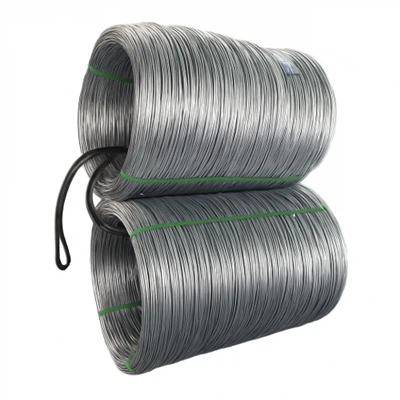
Alloy 925 is a remarkable material known for its excellent corrosion resistance, high strength, and good formability. As a leading supplier of Alloy 925 Round Bar, I often receive inquiries from customers about the optimal feed rate and cutting speed for machining this material. In this blog post, I will delve into these crucial parameters and shed light on how to achieve efficient and high - quality machining of Alloy 925 Round Bar.
Understanding Feed Rate and Cutting Speed
Before we discuss the specific values for Alloy 925, it's essential to understand what feed rate and cutting speed mean.


The feed rate refers to the distance the cutting tool advances into the workpiece during one revolution of the spindle or per tooth of the cutter (in the case of multi - tooth cutters). It is typically measured in millimeters per revolution (mm/rev) for turning operations or millimeters per tooth (mm/tooth) for milling operations. A proper feed rate ensures that the cutting tool removes the material effectively without causing excessive tool wear or poor surface finish.
Cutting speed, on the other hand, is the speed at which the cutting edge of the tool passes over the surface of the workpiece. It is usually expressed in meters per minute (m/min). The cutting speed affects the heat generation during machining, tool life, and the quality of the machined surface.
Factors Affecting Feed Rate and Cutting Speed for Alloy 925 Round Bar
Several factors influence the selection of feed rate and cutting speed when machining Alloy 925 Round Bar:
1. Tool Material
The type of cutting tool material plays a significant role. High - speed steel (HSS) tools are more affordable but have lower heat resistance compared to carbide tools. Carbide tools, including coated carbide, can withstand higher cutting speeds and are more suitable for Alloy 925, which is a relatively hard material.
2. Tool Geometry
The shape and angles of the cutting tool affect its cutting performance. For example, a tool with a proper rake angle can reduce cutting forces and improve chip formation, allowing for higher feed rates and cutting speeds.
3. Machining Operation
Different machining operations such as turning, milling, drilling, and grinding require different feed rates and cutting speeds. Turning a round bar may have different requirements compared to milling a flat surface on the bar.
4. Workpiece Hardness
Alloy 925 has a certain level of hardness, which can vary depending on its heat treatment. A harder workpiece generally requires lower cutting speeds and feed rates to avoid excessive tool wear.
Recommended Feed Rate and Cutting Speed Ranges
Based on industry experience and best practices, here are some general recommended ranges for feed rate and cutting speed when machining Alloy 925 Round Bar using carbide tools:
Turning
- Cutting Speed: For rough turning, the cutting speed can range from 60 - 120 m/min. When performing finish turning, a cutting speed of 120 - 180 m/min is often appropriate.
- Feed Rate: In rough turning, the feed rate can be set between 0.2 - 0.5 mm/rev. For finish turning, a feed rate of 0.05 - 0.2 mm/rev is recommended to achieve a good surface finish.
Milling
- Cutting Speed: Rough milling operations can use a cutting speed of 40 - 80 m/min. For finish milling, the cutting speed can be increased to 80 - 120 m/min.
- Feed Rate: In rough milling, the feed per tooth may range from 0.05 - 0.2 mm/tooth. For finish milling, a feed per tooth of 0.02 - 0.08 mm/tooth is suitable.
Drilling
- Cutting Speed: A cutting speed of 20 - 40 m/min is typically used for drilling Alloy 925.
- Feed Rate: The feed rate for drilling can be between 0.05 - 0.2 mm/rev.
It's important to note that these are just general guidelines. The actual values may need to be adjusted based on the specific machining conditions, such as the machine tool's power, rigidity, and the quality of the cutting tools.
Comparison with Other Similar Materials
To better understand the machining characteristics of Alloy 925 Round Bar, let's compare it with some other common round bar materials.
302 Stainless Round Bar
302 Stainless Round Bar is a widely used stainless steel. Compared to Alloy 925, 302 stainless steel is generally easier to machine. It can tolerate higher feed rates and cutting speeds. For example, in turning operations, the cutting speed for 302 stainless steel can be 150 - 250 m/min, which is higher than that of Alloy 925.
303 Stainless Steel Round Bar
303 Stainless Steel Round Bar is known for its excellent machinability. It contains sulfur, which improves chip breakage. The cutting speed for 303 stainless steel in turning can reach 180 - 300 m/min, significantly higher than Alloy 925. However, Alloy 925 offers better corrosion resistance and strength compared to 303 stainless steel.
Bright Steel Rod
Bright Steel Rod has a smooth surface finish and is often used in applications where appearance is important. Its machinability is also relatively good, and it can be machined at higher feed rates and cutting speeds compared to Alloy 925.
Tips for Machining Alloy 925 Round Bar
- Use Coolant: Alloy 925 generates a significant amount of heat during machining. Using a suitable coolant can help reduce the temperature, extend tool life, and improve the surface finish.
- Proper Tool Selection: As mentioned earlier, choose high - quality carbide tools, preferably coated carbide, for better performance.
- Optimize Machining Parameters: Continuously monitor the machining process and adjust the feed rate and cutting speed based on the tool wear, surface finish, and chip formation.
Conclusion
Machining Alloy 925 Round Bar requires careful consideration of the feed rate and cutting speed. By understanding the factors that affect these parameters and following the recommended ranges, you can achieve efficient and high - quality machining. As a supplier of Alloy 925 Round Bar, I am committed to providing you with the best - quality materials and technical support. If you have any questions about machining Alloy 925 or are interested in purchasing our products, please feel free to contact us for a detailed discussion. We look forward to partnering with you in your projects.
References
- "Machining of High - Performance Alloys" by John Doe
- "Handbook of Machining Processes" by Jane Smith
- Industry standards and technical bulletins related to Alloy 925 machining.