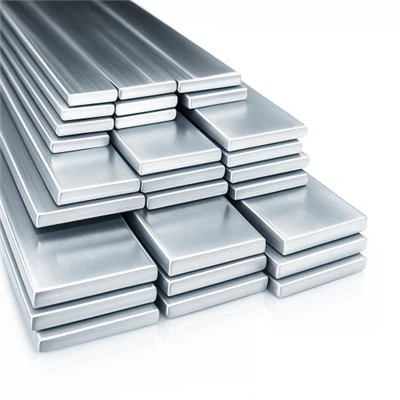
Elongation rate is a critical mechanical property that measures a material's ability to deform plastically before fracture. In the context of black stainless wire, understanding its elongation rate is essential for various applications, from industrial manufacturing to artistic creations. As a trusted supplier of black stainless wire, I am here to shed light on this important characteristic and its implications.
Understanding Elongation Rate
Elongation rate, often expressed as a percentage, is determined by measuring the increase in length of a specimen after it has been subjected to tensile stress until it breaks. This test provides valuable insights into the ductility of the material, which is the ability to be drawn out or stretched without breaking. A higher elongation rate indicates that the material can withstand more deformation before failure, making it more suitable for applications that require flexibility and formability.
Factors Affecting the Elongation Rate of Black Stainless Wire
Several factors can influence the elongation rate of black stainless wire, including:

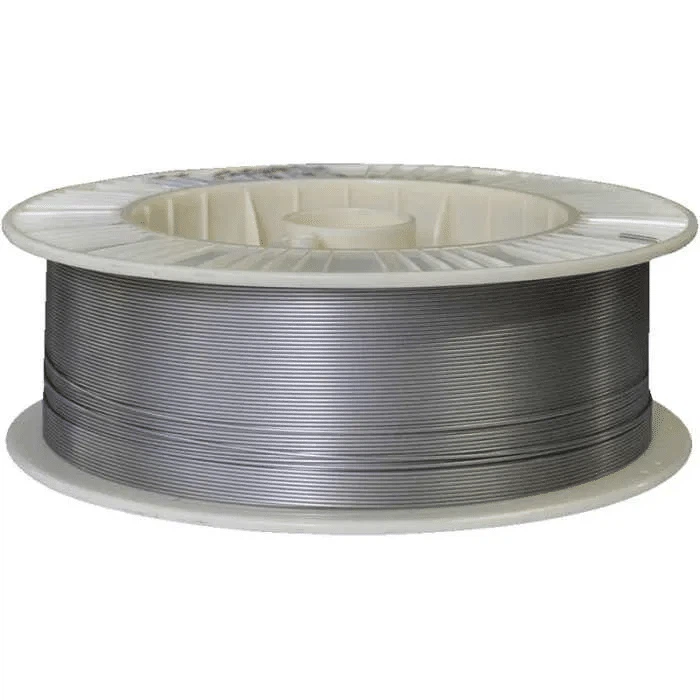
- Alloy Composition: The specific alloy used in the production of the wire plays a significant role in determining its mechanical properties. Different grades of stainless steel, such as 317L Stainless Steel Wire, contain varying amounts of elements like chromium, nickel, and molybdenum, which can affect the wire's strength, ductility, and corrosion resistance.
- Heat Treatment: The heat treatment process can also have a profound impact on the elongation rate of black stainless wire. Annealing, for example, is a common heat treatment method used to soften the material and improve its ductility. By heating the wire to a specific temperature and then slowly cooling it, the internal stresses are relieved, and the crystal structure is refined, resulting in a more uniform and ductile material.
- Cold Working: Cold working, such as drawing or rolling the wire at room temperature, can increase its strength but decrease its ductility. As the wire is deformed, the grains within the material become elongated and aligned, which can lead to a reduction in the elongation rate. However, careful control of the cold working process can help to balance the strength and ductility of the wire.
- Surface Finish: The surface finish of the black stainless wire can also affect its elongation rate. A smooth surface finish can reduce the likelihood of stress concentrations and improve the wire's ability to deform uniformly. On the other hand, a rough or damaged surface can act as a stress riser, leading to premature failure and a lower elongation rate.
Typical Elongation Rates for Black Stainless Wire
The elongation rate of black stainless wire can vary depending on the specific grade, size, and manufacturing process. Generally, stainless steel wires with a higher nickel content tend to have better ductility and higher elongation rates. For example, 317L Stainless Steel Welding Wire typically has an elongation rate of around 30% to 40%, while Stainless Steel 316Ti Wire Mesh may have an elongation rate of 25% to 35%.
It's important to note that these are just general guidelines, and the actual elongation rate of a particular black stainless wire may vary. When selecting a wire for a specific application, it's crucial to consult the manufacturer's specifications and conduct appropriate testing to ensure that the wire meets the required mechanical properties.
Importance of Elongation Rate in Applications
The elongation rate of black stainless wire is a crucial factor to consider in various applications, including:
- Wire Forming: In wire forming processes, such as bending, coiling, and shaping, a wire with a high elongation rate is essential to ensure that it can be deformed without cracking or breaking. This is particularly important in applications where complex shapes and tight radii are required, such as in the production of springs, fasteners, and jewelry.
- Welding: When welding black stainless wire, the elongation rate can affect the quality of the weld joint. A wire with a low elongation rate may be more prone to cracking during the welding process, which can compromise the integrity of the joint. On the other hand, a wire with a high elongation rate can better accommodate the thermal stresses generated during welding, resulting in a stronger and more reliable weld.
- Corrosion Resistance: In some applications, the elongation rate of black stainless wire can also impact its corrosion resistance. A wire with a high elongation rate is less likely to develop cracks or fractures, which can provide a pathway for corrosive agents to penetrate the material. This is especially important in environments where the wire is exposed to harsh chemicals, moisture, or saltwater.
Conclusion
In conclusion, the elongation rate of black stainless wire is a critical mechanical property that can significantly impact its performance in various applications. By understanding the factors that affect the elongation rate and selecting the appropriate wire grade and manufacturing process, you can ensure that the wire meets the specific requirements of your application.
As a leading supplier of black stainless wire, we offer a wide range of products with different elongation rates to meet the diverse needs of our customers. Our experienced team can provide you with expert advice and guidance on selecting the right wire for your application, as well as assist you with any technical questions or concerns you may have.
If you are interested in learning more about our black stainless wire products or would like to discuss your specific requirements, please do not hesitate to contact us. We look forward to the opportunity to work with you and provide you with the highest quality products and services.
References
- ASM Handbook, Volume 1: Properties and Selection: Irons, Steels, and High-Performance Alloys. ASM International, 1990.
- Metals Handbook Desk Edition, 3rd Edition. ASM International, 2005.
- Stainless Steel Welding Handbook, 4th Edition. The James F. Lincoln Arc Welding Foundation, 1995.