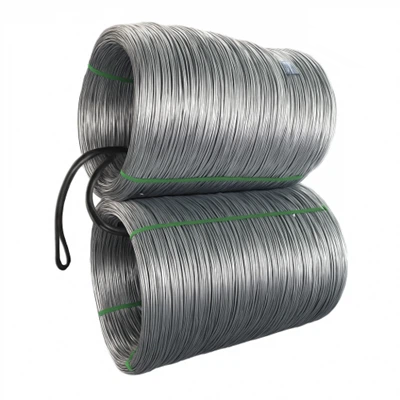
Hey there! As a supplier of bright steel rods, I've seen firsthand how heat treatment can work wonders on these versatile materials. In this blog, I'm gonna dive into the effects of heat treatment on bright steel rods and why it's such a crucial process in our industry.
First off, let's talk about what bright steel rods are. They're basically high - quality steel bars that have a smooth, shiny surface finish. They're used in a wide range of applications, from automotive parts to construction and machinery. And heat treatment is a key step in enhancing their properties.
One of the most significant effects of heat treatment on bright steel rods is the improvement of hardness. When we heat the rods to a specific temperature and then cool them at a controlled rate, we can change the internal structure of the steel. For example, quenching is a common heat - treatment process where the rod is heated to a high temperature and then rapidly cooled. This causes the formation of a harder phase in the steel, making the rod more resistant to wear and deformation.
Let's say you're in the automotive industry and need parts that can withstand high stress and friction. A heat - treated bright steel rod would be a great choice. The increased hardness means that the parts made from these rods will last longer, reducing the need for frequent replacements.
Another important effect is the improvement of strength. Heat treatment can increase the tensile strength of bright steel rods. By carefully controlling the heating and cooling cycles, we can manipulate the grain structure of the steel. A fine - grained structure generally leads to higher strength. This is crucial in applications where the rods need to support heavy loads or endure high - pressure situations.
For instance, in construction, bright steel rods are often used as reinforcement bars. A heat - treated rod with high strength can better resist the forces exerted on it, ensuring the stability and safety of the structure.
Heat treatment also has an impact on the ductility of bright steel rods. Ductility refers to the ability of a material to deform under tensile stress without breaking. Through processes like tempering, which involves reheating the quenched rod to a lower temperature and then cooling it slowly, we can balance the hardness and ductility of the rod.


This is important because in some applications, we need the rod to be able to bend or stretch without fracturing. For example, in the manufacturing of springs, a heat - treated bright steel rod with the right balance of hardness and ductility can provide the necessary elasticity.
Now, let's take a look at some specific types of bright steel rods and how heat treatment affects them.
303 Stainless Steel Round Bar is a popular choice in many industries. Heat treatment can enhance its corrosion resistance in addition to improving its mechanical properties. By heating the 303 stainless steel round bar to a specific temperature and then cooling it, we can change the distribution of alloying elements in the steel, which helps in forming a more protective oxide layer on the surface.
420 Stainless Steel Round Bar is known for its high hardness and wear resistance. Heat treatment can further optimize these properties. For example, quenching and tempering can make the 420 stainless steel round bar even harder and more durable, making it suitable for applications like cutlery and surgical instruments.
302 Stainless Round Bar is another common type. Heat treatment can improve its strength and toughness. By carefully controlling the heat - treatment process, we can ensure that the 302 stainless round bar has the right combination of properties for different applications, such as in the production of fasteners and springs.
However, it's important to note that heat treatment is not a one - size - fits - all process. The specific heat - treatment parameters, such as the heating temperature, holding time, and cooling rate, need to be carefully selected based on the type of steel, the desired properties, and the application.
As a supplier of bright steel rods, I understand the importance of providing high - quality products. That's why we pay close attention to the heat - treatment process. We have a team of experts who are well - versed in the science of heat treatment and can ensure that our bright steel rods meet the highest standards.
If you're in the market for bright steel rods, whether it's for a small - scale project or a large - scale industrial application, I'd love to have a chat with you. We can discuss your specific requirements and how our heat - treated bright steel rods can meet your needs.
In conclusion, heat treatment has a profound effect on bright steel rods. It can improve hardness, strength, ductility, and corrosion resistance, making these rods suitable for a wide range of applications. Whether you're in the automotive, construction, or manufacturing industry, heat - treated bright steel rods can offer you the performance and durability you need.
If you're interested in learning more or want to start a procurement discussion, feel free to reach out. We're here to help you find the perfect bright steel rods for your project.
References
- ASM Handbook, Volume 4: Heat Treating. ASM International.
- Steel Heat Treatment: Metallurgy and Technologies by George E. Totten, David Scott MacKenzie, and John L. Bates.